
Pangolin in Uganda: The Most Trafficked Animal in the World
Pangolins are among the most extraordinary yet endangered mammals on Earth. Often referred to as “scaly anteaters,” these shy, nocturnal creatures are covered in protective keratin scales and are uniquely adapted for a life of feeding on ants and termites. In Uganda, pangolins exist quietly in forests and savannah landscapes, rarely seen but critically important to biodiversity.
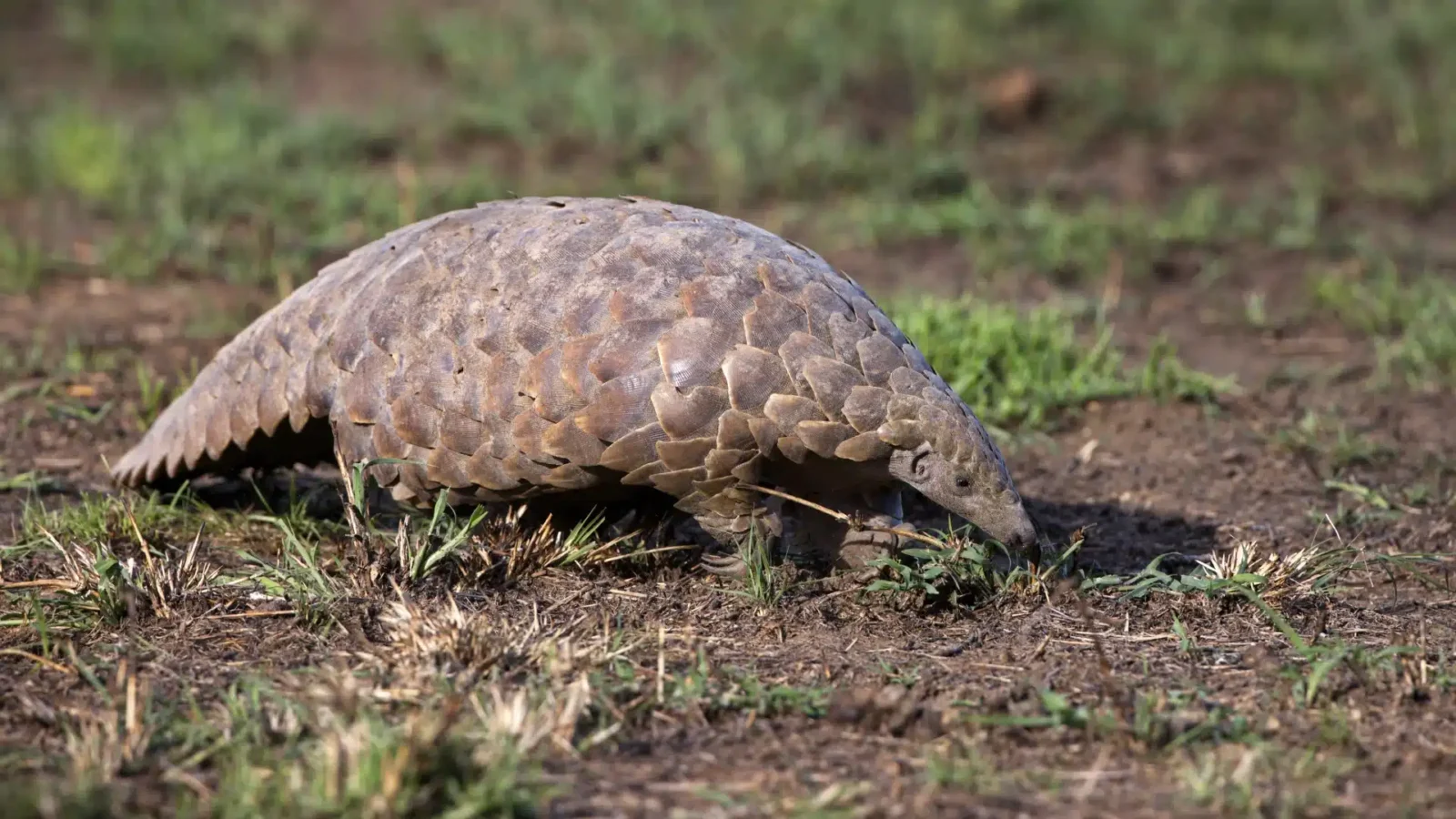
The species most commonly found in Uganda include the Smutsia temminckii and the Phataginus tricuspis. Both are under severe threat due to illegal wildlife trade, making pangolins the most trafficked mammals in the world.
What Makes Pangolins Unique?
Pangolins are unlike any other mammal. Their bodies are covered in overlapping scales made of keratin—the same material as human fingernails. When threatened, a pangolin curls into a tight ball, using its scales as armor against predators.
They have:
No teeth
Long, sticky tongues for catching insects
Powerful claws for digging into termite mounds
Their feeding behavior plays a crucial ecological role by controlling insect populations, especially termites, which can otherwise damage vegetation and soil structure.
Species of Pangolins in Uganda
Uganda hosts both ground-dwelling and tree-dwelling pangolins.
The Smutsia temminckii is found in savannah and woodland habitats. It spends most of its time on the ground, digging burrows and searching for termites.
The Phataginus tricuspis is more arboreal and lives in forested environments. It climbs trees with ease, using its prehensile tail for balance.
These species occupy different ecological niches but share similar feeding habits and behaviors.
Habitat: Where Pangolins Live in Uganda
Pangolins are distributed across various habitats in Uganda, though they are rarely seen due to their secretive nature.
They can be found in:
Ziwa Rhino Sanctuary, where conservation efforts include pangolin protection
Murchison Falls National Park, in savannah and woodland areas
Kibale National Park, within forest ecosystems
Bwindi Impenetrable National Park, where dense forest provides ideal habitat
Because they are nocturnal and solitary, sightings are extremely rare, even in these locations.
Behaviour and Lifestyle
Pangolins are solitary and primarily nocturnal animals.
They spend their nights foraging for ants and termites, using their keen sense of smell to locate insect nests. During the day, they rest in burrows or hollow trees.
Their movement is slow and deliberate, but they are surprisingly strong diggers. When threatened, they rely on their defensive posture rather than speed, curling into a ball to protect themselves.
Unlike many mammals, pangolins do not rely on aggression for defense, making them particularly vulnerable to human threats.
Why Pangolins Are the Most Trafficked Animals
The tragic reality is that pangolins are the most trafficked mammals in the world.
They are targeted for:
Their scales, used in traditional medicine
Their meat, considered a delicacy in some regions
This illegal trade has driven dramatic population declines across Africa and Asia.
Despite international bans, trafficking continues due to high demand and limited enforcement in some areas.
Conservation Efforts in Uganda
Uganda has become an important front in the fight to protect pangolins.
Organizations such as the Uganda Wildlife Authority and the Uganda Conservation Foundation work to combat poaching and trafficking.
Efforts include:
Anti-poaching patrols
Rescue and rehabilitation of confiscated pangolins
Community awareness programs
Strengthening wildlife laws
Sanctuaries like Ziwa Rhino Sanctuary also contribute to protection and research.
Ecological Importance
Pangolins play a vital role in maintaining ecosystem balance.
By consuming large quantities of ants and termites, they help regulate insect populations and protect vegetation.
A single pangolin can consume thousands of insects in a single night, making it a natural pest controller.
Their presence supports soil health and biodiversity across their habitats.
Challenges to Survival
Despite conservation efforts, pangolins face ongoing threats.
These include:
Illegal wildlife trade
Habitat loss
Low reproductive rates
Pangolins reproduce slowly, typically giving birth to only one offspring at a time. This makes population recovery difficult once numbers decline.
Can You See Pangolins on Safari?
While pangolins exist in Uganda, they are not commonly seen on traditional safaris.
Their nocturnal and secretive nature means sightings are extremely rare and often require specialized tracking or conservation-focused experiences.
For most travelers, learning about pangolins is more realistic than expecting to see one in the wild.
However, their presence adds depth to Uganda’s wildlife story, highlighting the importance of conservation beyond visible species.
Final Thoughts
The Smutsia temminckii and Phataginus tricuspis represent one of the most urgent conservation challenges in the world today.
In Uganda, these elusive animals live quietly within forests and savannahs, playing essential ecological roles while facing immense pressure from illegal trade.
Understanding pangolins is not just about appreciating a unique species—it is about recognizing the broader need for wildlife protection and sustainable conservation.
For travelers, Uganda offers a chance to support these efforts, even if the pangolin itself remains unseen—one of nature’s most hidden and most threatened treasures.