
African Lion: Behaviour, Pride Structure and Best Viewing
The African lion is one of the most iconic and studied predators in the world. Known scientifically as Panthera leo, this apex carnivore dominates the savannah ecosystems of sub-Saharan Africa. Its social structure, cooperative hunting strategies, and territorial behavior make it unique among big cats.
Often called the “King of the Jungle,” the African lion is more accurately a ruler of open grasslands, woodlands, and savannahs. Understanding lion behavior and pride dynamics is essential for both wildlife enthusiasts and safari travelers seeking meaningful encounters.
Lion Behaviour: How African Lions Live and Hunt
African lions are highly social animals, unlike most other big cats such as leopards or cheetahs. Their behavior revolves around group living, territorial control, and coordinated hunting.
Daily Activity Patterns
Lions are primarily nocturnal and crepuscular, meaning they are most active during the early morning, evening, and night. During the heat of the day, they spend up to 18–20 hours resting.
This behavior is energy-efficient and allows them to conserve strength for hunting, which requires bursts of speed and coordination.
Hunting Strategies
Lions are cooperative hunters, relying on teamwork rather than speed alone.
Key hunting behaviors include:
- Stalking prey using tall grass or low light for cover
- Coordinated positioning by multiple lionesses
- Short, powerful chases rather than long pursuits
- Targeting vulnerable individuals such as young, old, or weak animals
Lionesses do most of the hunting, while males may assist with larger prey such as buffalo.
Their prey includes antelope, zebra, wildebeest, and sometimes larger animals like buffalo.
Pride Structure: The Social System of Lions
The pride system is what makes lions unique among big cats.
A pride typically consists of:
- 1 to 3 adult males (sometimes a coalition)
- Several related females
- Cubs of different ages
Role of Lionesses
Female lions form the core of the pride. They are usually related (sisters, mothers, daughters) and remain in the same pride for life.
Their roles include:
- Hunting and providing food
- Raising cubs collectively
- Defending territory from rival females
This cooperation increases survival rates for both adults and cubs.
Role of Male Lions
Male lions are primarily responsible for:
- Defending the pride’s territory
- Protecting cubs from rival males
- Maintaining dominance over access to females
Males often form coalitions, usually with brothers, to take over and control a pride. When a new coalition takes over, they may kill existing cubs to bring females back into breeding condition—a behavior known as infanticide.
Cub Development
Cubs are born after a gestation period of about 110 days. They are hidden for the first few weeks and then introduced to the pride.
Survival rates are relatively low due to threats from predators, starvation, and male takeovers. However, communal care by lionesses improves their chances.
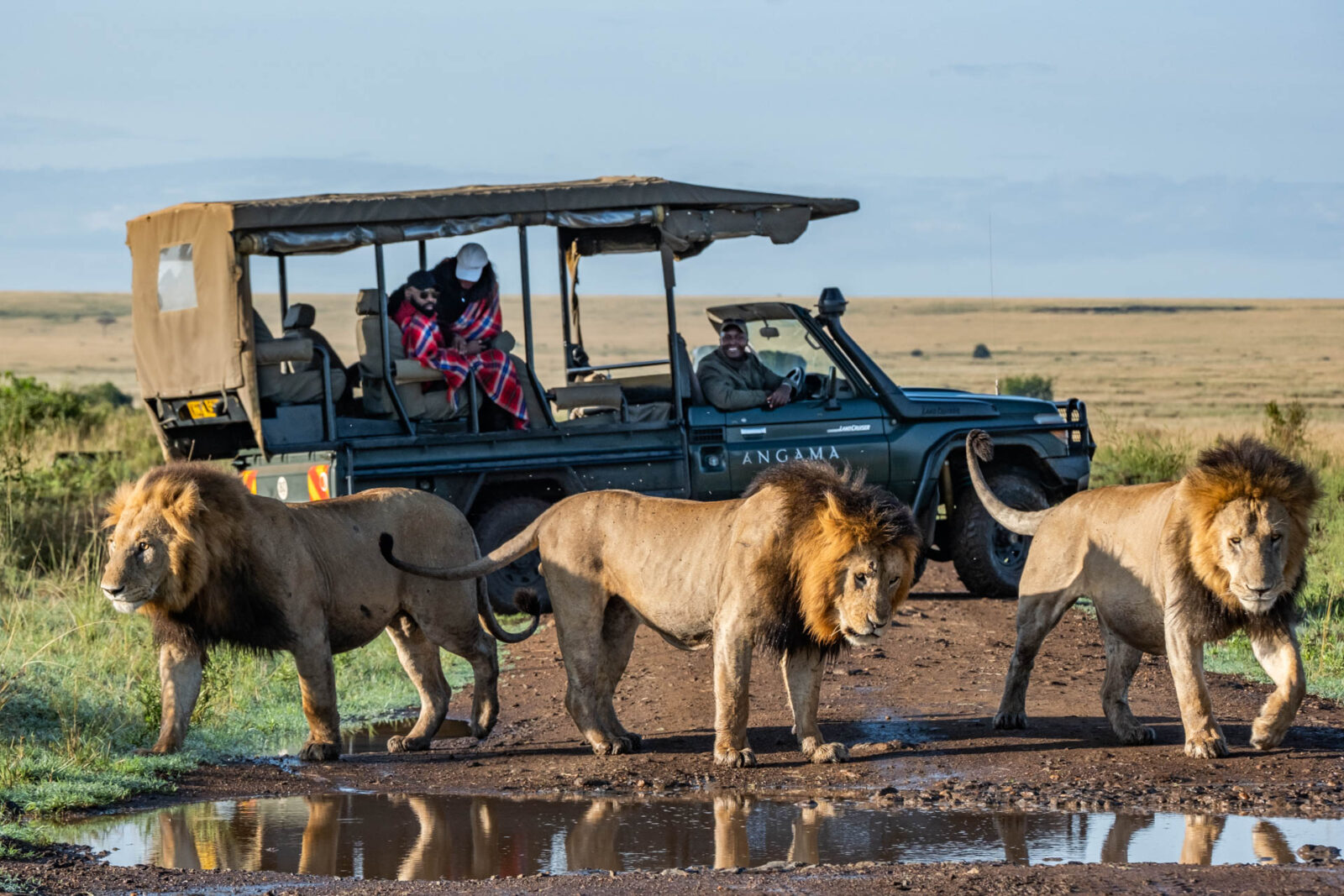
Territorial Behaviour of Lions
Lions are highly territorial animals, and territory size depends on prey availability and habitat quality.
A pride’s territory can range from 20 to over 400 square kilometers.
Territorial behavior includes:
- Roaring to communicate presence and boundaries
- Scent marking using urine and glands
- Physical patrols along territory edges
Roaring is one of the most distinctive lion behaviors and can be heard up to 8 kilometers away.
Territory is critical for survival because it ensures access to prey and water sources.
Communication and Social Interaction
Lions use a combination of vocal, visual, and physical signals to communicate.
Common communication methods include:
- Roaring (long-distance communication)
- Growling and snarling (aggression)
- Head rubbing (social bonding)
- Tail movements and body posture
These interactions maintain social cohesion within the pride and reduce conflict among members.
Best Places to See African Lions
African lions are found in several key safari destinations across East and Southern Africa.
Top locations include:
- Maasai Mara National Reserve – Known for high lion density and Great Migration interactions
- Serengeti National Park – One of the largest lion populations in Africa
- Queen Elizabeth National Park – Famous for tree-climbing lions in Ishasha
- Kruger National Park – Reliable sightings and diverse habitats
These locations provide excellent opportunities to observe lion behavior, pride dynamics, and hunting activity.
Best Time to See Lions on Safari
Timing plays a major role in successful lion sightings.
Early morning and late afternoon are the best times to see lions active. During these hours, temperatures are cooler, and lions are more likely to hunt or move.
Dry seasons (generally June to October in East Africa) offer better visibility because:
- Vegetation is shorter
- Animals concentrate near water sources
- Game drives are easier
However, lions can be seen year-round in most major parks.
Conservation Status of African Lions
The African lion is currently classified as Vulnerable, with populations declining due to several threats.
Key challenges include:
- Habitat loss due to human expansion
- Human-wildlife conflict
- Reduction in prey populations
- Poaching and illegal wildlife trade
Conservation programs focus on protected areas, community involvement, and anti-poaching efforts.
Final Thoughts
The Panthera leo is not just a symbol of strength but also one of the most complex social predators in the animal kingdom. Its pride structure, cooperative hunting strategies, and territorial behavior make it a fascinating species to observe in the wild.
For safari travelers, seeing lions in places like Maasai Mara National Reserve or Serengeti National Park offers more than just a sighting—it provides insight into one of nature’s most sophisticated social systems.
Understanding lion behavior enhances every encounter, turning a simple game drive into a deeper appreciation of Africa’s wildlife and ecosystems.