
Uganda’s Crater Lakes: A Self-Drive Itinerary
Uganda Crater Lakes form one of the most scenic and geologically fascinating landscapes in East Africa. Concentrated mainly around Fort Portal and the foothills of the Rwenzori region, these lakes are the result of ancient volcanic activity that shaped western Uganda thousands of years ago. Today, they offer one of the best self-drive safari experiences in the country—combining dramatic scenery, cultural encounters, birdlife, hiking, and relaxation in a compact and highly accessible circuit.
Unlike large national parks that require guided game drives and strict itineraries, the crater lakes region is ideal for independent travelers who want flexibility. The roads connect viewpoints, villages, plantations, and lake shores in a way that allows exploration at your own pace.
This guide provides a structured self-drive itinerary, key stops, driving tips, and what to expect along the way.
Understanding the Crater Lakes Region
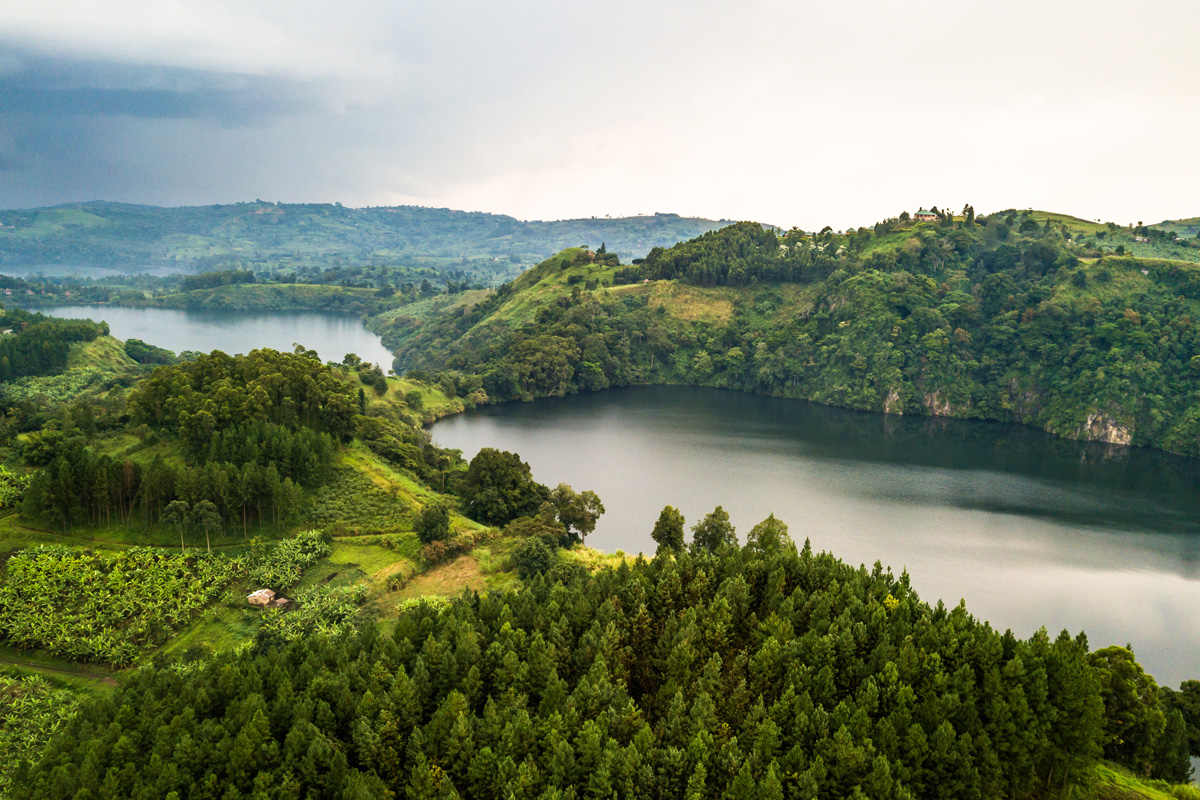
The crater lakes were formed through volcanic explosions that created deep circular depressions, which later filled with water. Over time, vegetation grew around them, forming some of the most photogenic landscapes in Uganda.
Most of these lakes are located in the Albertine Rift Valley, particularly around Fort Portal and the surrounding districts of Kabarole, Bunyangabu, and Kasese. The region is characterized by rolling hills, tea plantations, tropical forests, and views of the Rwenzori Mountains in the distance.
The lakes vary in size, depth, and accessibility. Some are easily reached by car, while others require short hikes or guided walks.
Suggested 3-Day Self-Drive Itinerary
This itinerary is designed for travelers starting from Kampala and exploring the crater lakes circuit around Fort Portal.
Day 1: Kampala → Fort Portal (Scenic Drive West)
The journey begins with a drive from Kampala to Fort Portal, which typically takes 5–7 hours depending on road conditions and stops.
Along the way, travelers pass through rural landscapes, roadside markets, banana plantations, and tea estates. The route offers a gradual transition from urban Uganda into lush highland scenery.
Upon arrival in Fort Portal, visitors can relax and prepare for crater lake exploration. Fort Portal itself is a clean, organized town with mountain views and serves as the gateway to the Rwenzori region.
Evening activities can include a short town walk or sunset viewing from nearby hills.
Day 2: Crater Lake Loop Exploration
This is the core day of the itinerary, dedicated to exploring multiple crater lakes around Fort Portal.
Start early and drive toward the Kasenda crater field, one of the most concentrated areas of volcanic lakes in Uganda. The roads are winding but scenic, passing through villages, plantations, and elevated viewpoints.
Key lakes to visit include:
• Lake Nyinambuga – one of the most photographed crater lakes, known for its perfect circular shape and small island
• Lake Nyamirima – offering elevated viewpoints and panoramic scenery
• Lake Nkuruba – surrounded by forest and known for primates and birdlife
• Lake Kyaninga – a luxury lodge area with dramatic views over a deep crater
Each lake has a unique character. Some are ideal for photography, while others offer hiking trails, canoeing, or nature walks.
The drive between lakes is short, making it easy to visit multiple sites in one day. Picnic stops and viewpoint breaks are highly recommended.
Day 3: Cultural Experience and Return to Kampala
On the final day, travelers can choose between a cultural experience or a relaxed morning by one of the lakes before heading back to Kampala.
Cultural visits may include nearby communities, coffee farms, or traditional homesteads. The region is rich in farming culture, particularly banana cultivation and small-scale agriculture.
After checkout, the return drive to Kampala takes another 5–7 hours depending on traffic and stops.
Key Crater Lakes to Know
Lake Nyinambuga
One of the most iconic lakes in the region, often featured in tourism imagery. Its symmetrical shape and central island make it visually striking and highly photogenic.
Lake Nkuruba
Surrounded by forest, this lake is known for its biodiversity. It is home to monkeys, birds, and rich vegetation, making it ideal for nature walks and ecological observation.
Lake Kyaninga
A deep crater lake located near a luxury lodge. It offers some of the best panoramic views in the region and is popular for relaxation and photography.
Lake Nyamirima
Less crowded and elevated, this lake offers sweeping views of multiple crater formations in the area.
Driving Conditions and Road Tips
Self-driving in Uganda Crater Lakes is generally safe but requires caution.
Roads range from tarmac highways to murram (gravel) roads, especially when accessing individual lakes. A 4×4 vehicle is strongly recommended, particularly during rainy seasons.
Navigation is straightforward between Fort Portal and major crater lake clusters, but smaller roads may require GPS or local guidance.
Fuel stations are available in Fort Portal, so it is advisable to refuel before exploring remote areas.
Best Time to Visit
The crater lakes region can be visited year-round, but the dry seasons—June to August and December to February—are the most comfortable for driving and hiking.
During rainy seasons, the landscape becomes extremely lush and green, but some roads may become slippery or harder to navigate.
Activities Around the Crater Lakes
Beyond driving and sightseeing, the region offers several activities:
Hiking is popular around lake rims and forest trails, offering elevated viewpoints and close encounters with nature.
Birdwatching is excellent due to the combination of forest, water, and farmland ecosystems.
Photography is one of the main attractions, especially during early morning and sunset when lighting conditions are ideal.
Cultural interactions with local communities provide insight into rural life and agricultural practices.
Safety and Travel Considerations
Self-drive travel in western Uganda is generally safe, but standard precautions apply.
Avoid driving at night due to limited visibility and road conditions.
Ensure your vehicle is in good mechanical condition, especially brakes and tires for hilly terrain.
Carry cash for small payments in rural areas where card systems may not be available.
Respect local communities and private land when accessing lake viewpoints.
Why the Crater Lakes Region Stands Out
What makes Uganda Crater Lakes special is its density of natural beauty within a small geographic area. Few regions in Africa offer so many scenic lakes, viewpoints, and ecosystems within a single driveable circuit.
It is not a traditional safari destination, but rather a landscape experience—focused on geology, scenery, relaxation, and exploration.
The combination of volcanic history, lush vegetation, and accessibility makes it one of Uganda’s most underrated travel routes.
Final Thoughts
A self-drive journey through Uganda Crater Lakes offers freedom, flexibility, and constant visual reward. From perfectly shaped volcanic lakes to forested shorelines and sweeping highland views, the region delivers a calm yet deeply engaging travel experience.
For travelers seeking independence, photography opportunities, and scenic driving routes, the crater lakes around Fort Portal provide one of the most rewarding road trip experiences in East Africa.