
Uganda Safaris for Solo Travellers: What to Know
Uganda is one of Africa’s most rewarding safari destinations, and for solo travelers, it offers a unique combination of safety, affordability, and authentic wildlife experiences. While many people assume safaris are designed for couples or groups, Uganda is actually very well suited for independent travelers who want flexibility and deeper engagement with nature.
From gorilla trekking in Bwindi Impenetrable National Park to chimpanzee tracking in Kibale Forest National Park and classic game drives in Queen Elizabeth National Park, solo travelers can access the full range of experiences with proper planning.
However, traveling alone in Uganda requires a slightly different strategy compared to group travel. Costs, logistics, and safety considerations all need to be approached with clarity.
This guide breaks down everything you need to know—honestly and practically.
Is Uganda Safe for Solo Travelers?
Uganda is generally considered one of the safer countries for travel in East Africa, especially within established tourism circuits.
Key destinations such as Bwindi Impenetrable National Park, Kibale Forest National Park, and Queen Elizabeth National Park are well-managed, with strong ranger presence and structured tourism systems.
That said, solo travelers should operate with situational awareness:
- Avoid isolated movement at night in urban areas
- Use registered guides or tour operators for park visits
- Keep valuables secure and avoid displaying cash or expensive items
Within national parks and guided activities, safety standards are high, and you will always be accompanied by trained professionals.
The Biggest Challenge: Cost for Solo Travelers
The most important reality to understand is this: safaris are not naturally designed for solo pricing.
Transport, vehicle hire, fuel, and guide fees are typically charged per vehicle—not per person. This means solo travelers often pay significantly more than those sharing costs in a group.
For example:
- A 4×4 safari vehicle costs the same whether you are one person or four
- Guide fees and park entry logistics remain fixed
However, there are ways to manage this.
Joining small group tours or shared safaris can dramatically reduce costs. Some lodges and operators also organize scheduled departures that allow solo travelers to join others.
Best Destinations for Solo Safaris
Uganda’s main safari circuit works well for solo travel when structured properly.
Bwindi Impenetrable National Park is ideal for solo travelers because gorilla trekking is conducted in small groups anyway. You will automatically be placed with other trekkers, making it social without requiring prior travel partners.
Kibale Forest National Park offers a similar setup for chimpanzee tracking, where visitors are grouped and guided by rangers.
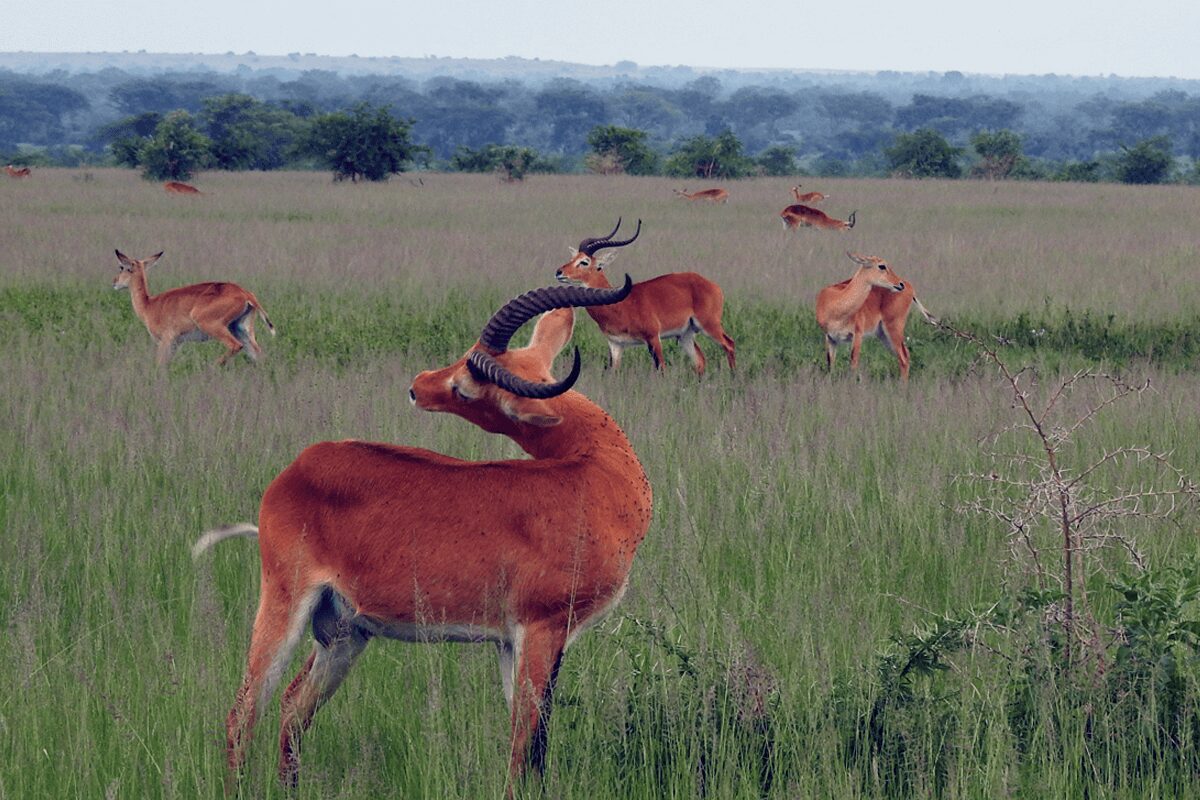
Queen Elizabeth National Park provides classic game drives and boat safaris, which can be arranged as shared experiences to reduce cost.
These destinations combine structure with flexibility, making them perfect for solo itineraries.
Accommodation: Where Solo Travelers Should Stay
Accommodation choices significantly impact both cost and experience.
Budget lodges, hostels, and mid-range guesthouses are the best options for solo travelers. They are more social, affordable, and often help arrange shared activities.
Luxury lodges, while exceptional, are usually priced for couples or groups and may not offer good value for solo visitors unless budget is not a concern.
Areas near Kibale Forest National Park and Queen Elizabeth National Park have a wide range of options that cater well to independent travelers.
Transport: Getting Around Uganda Alone
Transport is one of the most critical planning elements.
Self-driving is possible but not recommended for most solo travelers unless experienced with African road conditions.
The better options are:
- Hiring a driver-guide
- Joining a group safari
- Using domestic flights for long distances
Road travel from Kampala to parks like Bwindi Impenetrable National Park can take 8–10 hours, so planning comfort and timing is essential.
Gorilla and Chimpanzee Trekking for Solo Travelers
Gorilla trekking in Bwindi Impenetrable National Park is one of the easiest activities to do solo.
Permits are booked individually, and trekking groups are formed on the day. This means you will automatically share the experience with others.
The same applies to chimpanzee tracking in Kibale Forest National Park.
This structure makes primate tracking highly suitable for solo travelers, both logistically and socially.
Social Experience: Will You Feel Alone?
Surprisingly, many solo travelers report that Uganda safaris are highly social.
Group activities like trekking, boat cruises, and guided walks naturally bring people together. Lodges often have communal dining areas where travelers interact and share experiences.
Even if you arrive alone, you are unlikely to feel isolated during key activities.
Packing and Preparation
Solo travelers should pack strategically, focusing on practicality and mobility.
Essentials include:
- Lightweight clothing suitable for tropical climates
- Hiking boots for trekking
- Insect repellent
- Waterproof gear for forest environments
- Basic medical kit
Because you are traveling alone, you need to be self-sufficient while keeping luggage manageable.
Safety Tips Specific to Solo Travelers
While Uganda is generally safe, solo travelers should follow a few additional precautions:
- Always inform someone of your itinerary
- Use reputable tour operators and guides
- Avoid unplanned travel to remote areas without guidance
- Keep emergency contacts accessible
Within parks like Queen Elizabeth National Park, safety is well managed by rangers and park authorities.
Budget Expectations
A realistic solo safari budget in Uganda depends on style.
Budget travelers can manage costs by joining group tours and staying in mid-range lodges.
Mid-range solo safaris offer the best balance between comfort and affordability.
Luxury solo travel is possible but significantly more expensive due to single occupancy and private vehicle costs.
The key strategy is cost-sharing wherever possible.
Why Uganda Is Ideal for Solo Safari Travel
Uganda stands out for solo travel because it combines structured wildlife experiences with flexibility.
You can join group activities when needed and explore independently when possible. The diversity of experiences—from gorilla trekking to wetlands and savannah—keeps the journey dynamic and engaging.
Destinations like Bwindi Impenetrable National Park, Kibale Forest National Park, and Queen Elizabeth National Park are particularly well suited to this balance.
Solo Travel in Uganda Is Not Only Possible—It’s Rewarding
Traveling solo in Uganda is not just feasible—it can be one of the most enriching ways to experience the country.
While costs require careful planning, the structure of activities, safety of major parks, and social nature of safari experiences make Uganda highly accessible to independent travelers.
From standing face-to-face with gorillas in Bwindi Impenetrable National Park to tracking chimpanzees in Kibale Forest National Park, the experiences are powerful regardless of whether you travel alone or with others.
For those willing to plan smartly and travel with awareness, Uganda offers a solo safari experience that is both safe and unforgettable.