
Jinja, Uganda: The Adventure Capital of East Africa
Jinja is widely recognized as the adventure capital of East Africa, a destination where the mighty River Nile begins its long journey from Lake Victoria toward the Mediterranean Sea. Located in eastern Uganda, Jinja combines natural beauty, colonial heritage, adrenaline activities, and vibrant local culture, making it one of the most dynamic tourism cities in the region.
Unlike traditional safari destinations focused on wildlife drives, Jinja is built around water-based adventure, outdoor sports, and historical significance. It attracts both thrill-seekers and cultural travelers looking for a different kind of Ugandan experience.
Geographic Location and Strategic Importance
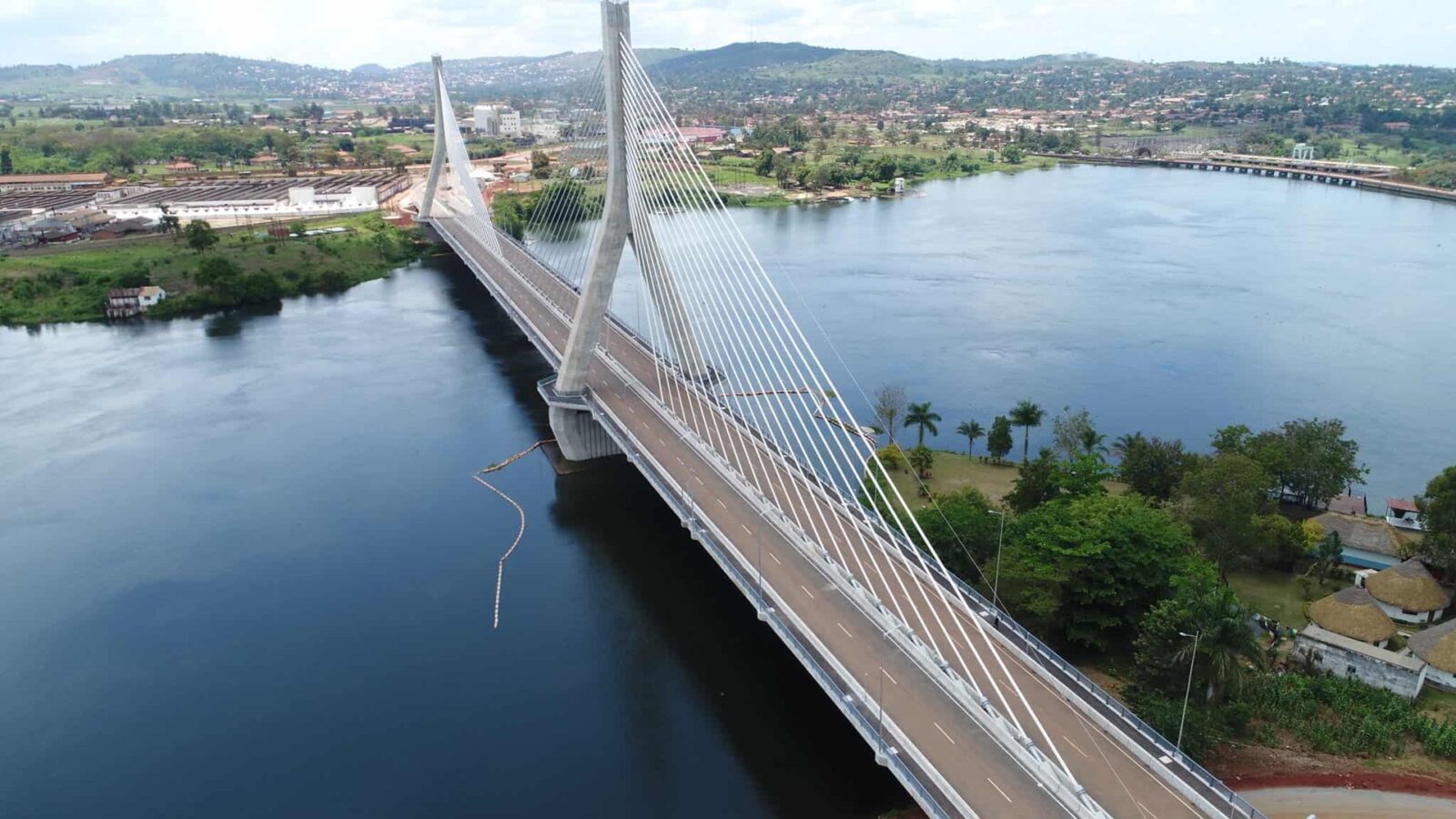
Jinja lies approximately 80–90 kilometers east of Kampala along the northern shores of Lake Victoria. The city is strategically positioned at the source of the Nile River, one of the world’s longest and most historically significant rivers.
Its location at the intersection of lake and river systems has made it an important trade and transport hub since the colonial era. Today, it serves as both an industrial center and a major tourism destination.
The surrounding landscape includes rolling hills, riverbanks, lush vegetation, and small fishing communities, creating a scenic blend of water and land-based ecosystems.
The Source of the Nile
The defining feature of Jinja is the legendary source of the Nile River. This is the point where water flows out of Lake Victoria and begins its northward journey through multiple countries.
The Source of the Nile is not a single pinpoint location but a broad water system marked by calm lake waters transitioning into river flow. Visitors can take boat rides to the exact point where the Nile begins, often marked by bubbling waters and scenic viewpoints.
This site has historical significance, as it was famously explored by John Hanning Speke in the 19th century during his search for the origins of the Nile.
Today, the Source of the Nile is one of Uganda’s most visited landmarks and a central attraction in Jinja’s tourism economy.
Adventure Activities in Jinja
Jinja is best known for its wide range of adrenaline-based activities, making it a top destination for adventure tourism in Africa.
White Water Rafting
One of the most popular activities is white water rafting on the Nile. The river offers world-class rapids ranging from grade III to V, attracting both beginners and experienced rafters.
The combination of powerful currents, warm water, and scenic surroundings makes it one of the most famous rafting destinations globally.
Kayaking and Canoeing
For those seeking a more controlled experience, kayaking and canoeing are also available. These activities allow visitors to navigate calmer sections of the Nile while still experiencing its energy and beauty.
Bungee Jumping
Jinja is home to one of the most famous bungee jumping sites in East Africa. Participants leap from a platform overlooking the Nile, experiencing a dramatic free fall above the river.
Boat Cruises
Relaxed boat cruises along the Nile offer a slower-paced experience. These cruises often include birdwatching, sunset views, and visits to the Source of the Nile.
Quad Biking and Off-Road Adventures
The surrounding countryside offers quad biking experiences through villages, plantations, and riverside trails. This provides a land-based adventure alternative to water sports.
Kayak Fishing and Sport Fishing
The Nile also supports fishing activities, including sport fishing for species such as Nile perch. This attracts anglers from around the world.
Natural Environment and Landscape
The environment around Jinja is shaped by the interaction between Lake Victoria and the River Nile. This creates a rich ecosystem with wetlands, river islands, and forest patches.
Birdlife is abundant, with species such as kingfishers, fish eagles, and herons commonly seen along the riverbanks. The vegetation includes tropical grasses, papyrus swamps, and cultivated farmland.
The climate is generally warm and humid, influenced by proximity to the lake and river systems.
Historical and Colonial Heritage
Jinja has a strong colonial history due to its strategic importance as an industrial and transport hub during British rule. The construction of the Owen Falls Dam (now Nalubaale Dam) in the 1950s significantly transformed the region’s economy and infrastructure.
The city developed into one of Uganda’s main industrial centers, with manufacturing, textiles, and energy production playing key roles.
Many colonial-era buildings and industrial structures still exist, reflecting its historical evolution.
Cultural Life and Local Communities
The communities around Jinja are diverse, with a mix of ethnic groups including Basoga people who are indigenous to the region.
Local culture is expressed through music, dance, crafts, and traditional ceremonies. Markets in Jinja are vibrant spaces where local produce, textiles, and handmade crafts are sold.
Tourism has also influenced cultural exchange, with many local guides, operators, and artisans benefiting from the growing visitor economy.
Accommodation and Hospitality
Jinja offers a wide range of accommodation options, from budget guesthouses to luxury riverside resorts.
Many lodges are located along the Nile, offering scenic views, relaxation areas, and direct access to adventure activities.
The hospitality sector is well-developed due to the city’s popularity among international tourists and adventure travelers.
Accessibility and Transport
Jinja is easily accessible from Kampala via a major highway. The journey typically takes around 2–3 hours depending on traffic conditions.
This proximity makes Jinja ideal for weekend trips, short safaris, and add-on itineraries for travelers already visiting other parts of Uganda.
Within the city, transport options include taxis, boda-bodas (motorcycle taxis), and private tour vehicles.
Best Time to Visit
Jinja can be visited year-round due to its warm climate and water-based activities.
However, dry seasons from June to August and December to February are generally preferred for outdoor activities, as weather conditions are more stable and river levels are predictable.
Rainy seasons may increase river flow, making some activities more intense but also more challenging.
Why Jinja Stands Out
What makes Jinja unique is its identity as a pure adventure destination. Unlike wildlife parks or mountain treks, Jinja is centered around water, adrenaline, and exploration.
The combination of the Nile’s historical significance, high-energy activities, and scenic landscapes creates a tourism experience that is both thrilling and culturally rich.
Sustainability and Environmental Considerations
As tourism grows in Jinja, environmental management has become increasingly important. River conservation, waste management, and responsible tourism practices are essential to maintaining the health of the Nile ecosystem.
Many tour operators now emphasize eco-friendly practices, including controlled rafting operations, community involvement, and environmental education.
Final Thoughts
Jinja is more than just the source of the Nile—it is a hub of adventure, history, and natural beauty. Its combination of adrenaline activities, cultural richness, and scenic river landscapes makes it one of East Africa’s most distinctive destinations.
For travelers seeking a break from traditional safari circuits, Jinja offers a powerful alternative: a place where water defines the experience, and adventure shapes every journey.