
Lake Victoria Islands: Day Trips and Overnight Stays
Lake Victoria is the largest lake in Africa and the second-largest freshwater lake in the world by surface area. Spread across Uganda, Kenya, and Tanzania, it contains hundreds of islands that offer a mix of fishing communities, biodiversity hotspots, cultural heritage, and emerging eco-tourism experiences.
On the Ugandan side, especially around the Jinja and Entebbe corridors, the islands are increasingly becoming attractive for both day trips and overnight stays. These islands provide a slower, more immersive travel experience compared to mainland tourism, with a strong focus on nature, water-based transport, fishing culture, and relaxation.
For travelers seeking an escape from busy towns and traditional safari circuits, the Lake Victoria islands offer an entirely different rhythm of travel—one shaped by water, boats, and island life.
Understanding the Island Geography
The islands of Lake Victoria vary widely in size, population, and accessibility. Some are large and inhabited with permanent communities, while others are small, forested, and largely untouched.
On the Ugandan side, islands near Jinja and Entebbe form the most accessible tourism clusters. These include fishing islands, eco-lodges, and conservation areas that are reachable by boat in a few hours or less.
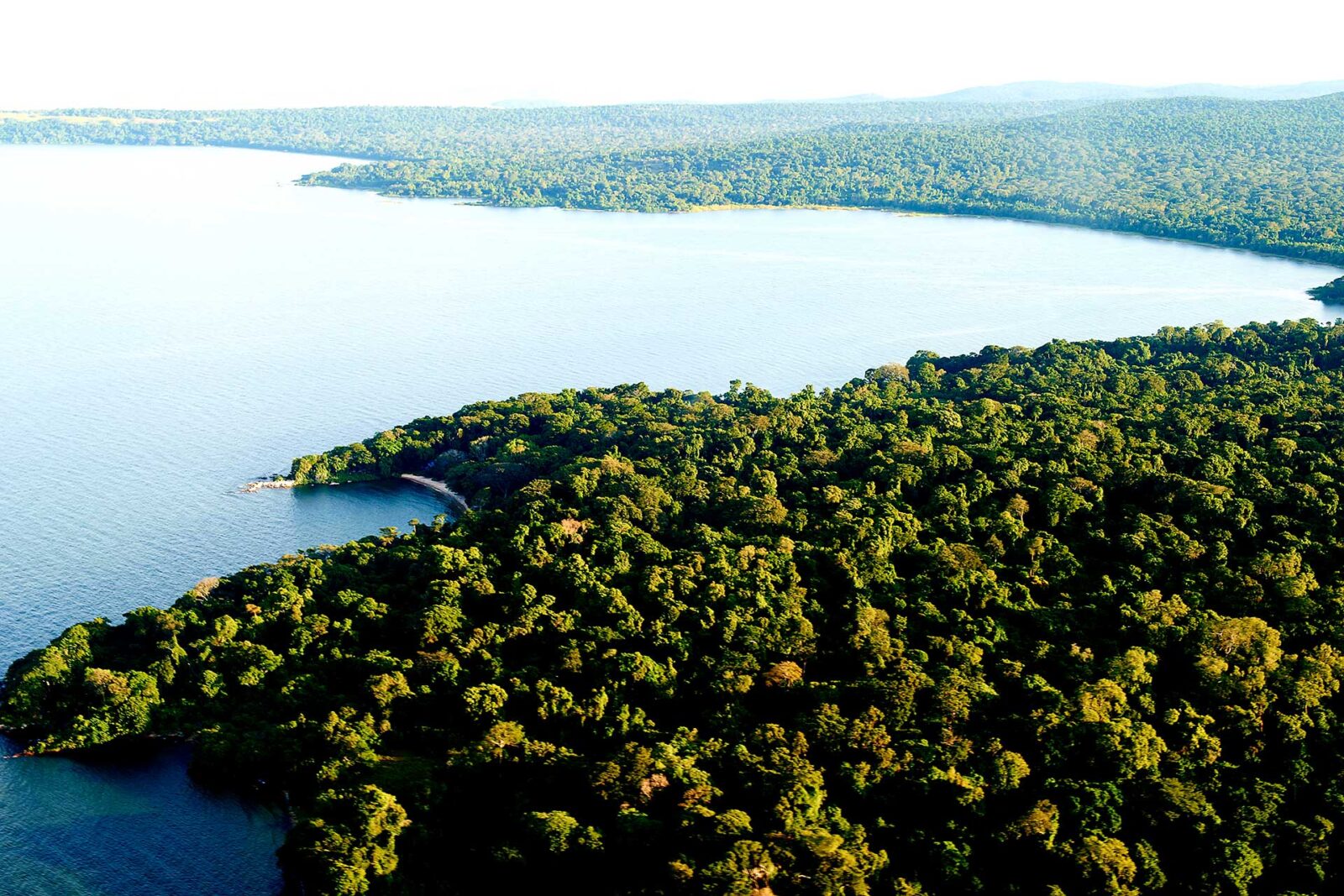
The landscape is defined by open water channels, sandy shores, papyrus wetlands, and scattered settlements. Fishing remains the dominant economic activity, particularly Nile perch and tilapia harvesting, which supports many island communities.
Day Trips to Lake Victoria Islands
Day trips are the most common way to experience the islands of Lake Victoria. These excursions typically depart from mainland towns such as Entebbe or Jinja and involve boat transfers to nearby islands.
A typical day trip includes boat transport, guided exploration, cultural interaction, and sometimes fishing or birdwatching activities.
What a Day Trip Usually Involves
Most day trips begin in the morning with a boat ride across calm lake waters. As travelers leave the mainland, the scenery quickly shifts from urban or semi-urban environments to open water and distant island silhouettes.
Upon arrival, visitors may explore fishing villages, walk along shoreline paths, or engage with local communities. In some cases, guides explain traditional fishing techniques, island livelihoods, and ecological conservation efforts.
Birdwatching is a major highlight during day trips. The lake supports a wide range of species including fish eagles, herons, cormorants, and kingfishers.
After several hours on the island, travelers return to the mainland by boat in the afternoon or early evening.
Overnight Island Stays
For a more immersive experience, overnight stays on selected islands provide a deeper connection with the environment and local culture.
These stays are typically offered in eco-lodges, beach camps, or community-run guesthouses. Accommodation is often simple but scenic, focusing on natural surroundings rather than urban comfort.
Experience of Staying Overnight
Spending a night on an island in Lake Victoria offers a completely different atmosphere compared to mainland tourism.
Evenings are usually quiet, with lake waves and natural sounds replacing city noise. Sunsets over the water are a key highlight, often reflecting across the lake surface in dramatic colors.
Night skies are clearer due to reduced light pollution, making stargazing a memorable part of the experience.
Early mornings bring fishing activity, bird calls, and calm water conditions that are ideal for photography and relaxation.
Cultural Life on the Islands
Island communities on Lake Victoria are primarily fishing-based societies with strong cultural traditions tied to the lake.
Fishing techniques are often passed down through generations, and boats are central to daily life. Canoes and motorized boats are used for transport, trade, and fishing activities.
Visitors often encounter local markets where fresh fish is sold directly after early morning catches. These interactions provide insight into the economic and cultural importance of the lake.
Music, storytelling, and traditional practices remain part of island life, especially during community gatherings and cultural events.
Wildlife and Natural Environment
The islands of Lake Victoria support a diverse range of ecosystems, particularly along shoreline and wetland zones.
Birdlife is one of the most important ecological features. Species such as African fish eagles, pied kingfishers, malachite kingfishers, and herons are commonly observed.
Vegetation includes papyrus swamps, tropical grasses, and scattered forest patches. These ecosystems help stabilize shorelines and provide habitat for aquatic and terrestrial species.
Some larger islands also support small mammals, reptiles, and insect populations adapted to wetland environments.
Accessibility and Transport
Access to the islands depends on departure points and weather conditions. The main gateways include Entebbe and Jinja.
Boat transport is the only practical means of reaching the islands. Depending on distance, travel times can range from 30 minutes to several hours.
Tour operators typically provide safety equipment, life jackets, and guided navigation services.
Best Time to Visit
The islands of Lake Victoria can be visited year-round due to the region’s stable tropical climate.
However, dry seasons (June–August and December–February) are generally preferred for smoother boat travel and clearer skies.
Rainy seasons can make lake conditions more dynamic, with stronger winds and occasional travel delays, but also enhance the lushness of island vegetation.
Activities on the Islands
Visitors to the islands can engage in a variety of activities depending on location and tour type.
Common experiences include:
• Fishing trips with local fishermen
• Birdwatching excursions
• Nature walks along shoreline trails
• Cultural visits to fishing communities
• Photography and sunset viewing
• Swimming in designated safe areas (where allowed)
Some islands also offer kayaking and canoeing experiences for more active travelers.
Sustainability and Environmental Concerns
The ecological health of Lake Victoria is increasingly important due to population growth, fishing pressure, and tourism expansion.
Sustainable tourism practices are being encouraged on the islands to protect water quality, reduce pollution, and preserve fish populations.
Eco-lodges and community-based tourism initiatives play a key role in supporting conservation while providing economic benefits to local residents.
Why the Islands Matter
The islands of Lake Victoria are important for multiple reasons. They support fishing economies, preserve biodiversity, and offer unique tourism experiences that differ from mainland safaris.
For travelers, they provide a sense of isolation, tranquility, and connection to water-based cultures that are deeply rooted in East African history.
Final Thoughts
The islands of Lake Victoria offer a rare combination of natural beauty, cultural authenticity, and peaceful retreat experiences.
Whether explored on a short day trip or experienced through an overnight stay, they reveal a quieter, more traditional side of life around one of Africa’s greatest lakes.
For visitors to Jinja or Entebbe, the islands provide a valuable extension to mainland travel—offering water, culture, and nature in its most intimate form.