
Kabaka’s Palace Kampala: History and How to Visit
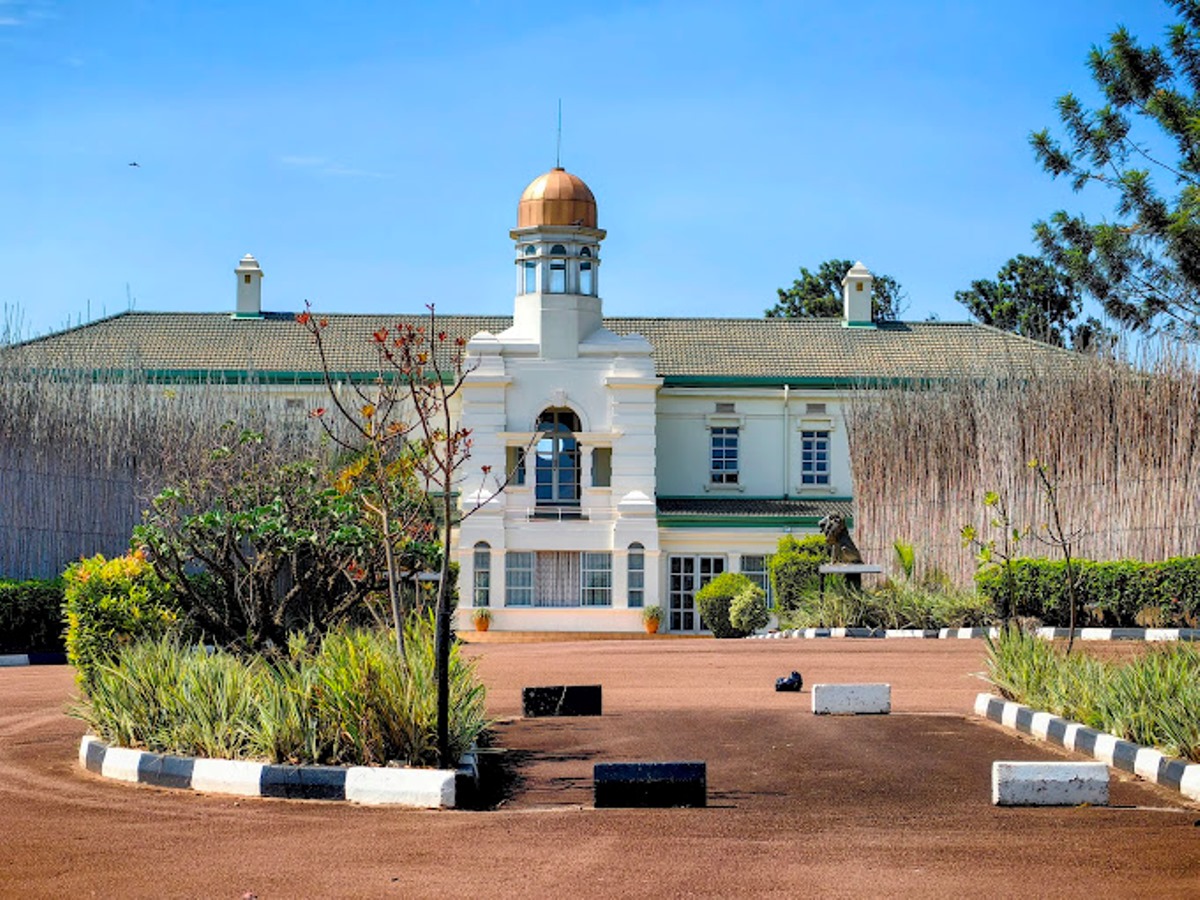
Rising prominently on Mengo Hill, Kabaka’s Palace—commonly referred to as the Lubiri—is one of the most historically and culturally significant landmarks in Kampala. It serves as the official residence of the Kabaka, the king of the Buganda Kingdom, and represents centuries of tradition, authority, and resilience.
For travelers seeking to understand Uganda beyond its wildlife and landscapes, Kabaka’s Palace offers something far deeper: a living narrative of monarchy, colonial confrontation, political upheaval, and cultural continuity. From its ceremonial grounds to its haunting underground chambers, every part of the palace tells a story that has shaped not just Buganda, but Uganda as a whole.
The Historical Foundations of Kabaka’s Palace
The origins of Kabaka’s Palace date back to 1885 during the reign of Mwanga II. This was a transformative era in the Buganda Kingdom, marked by growing external influences from Arab traders, Christian missionaries, and British colonial interests. The palace was established on Mengo Hill as a centralized seat of power, symbolizing the Kabaka’s authority over the kingdom.
Strategically located, the Lubiri allowed the king to oversee his capital and maintain proximity to political, religious, and economic developments. It quickly became not only a royal residence but also the administrative hub where crucial decisions about Buganda’s governance were made.
Kabaka’s Palace During the Colonial Era
As colonial influence expanded in East Africa, the Buganda Kingdom entered into complex relationships with British authorities. Kabaka’s Palace became a focal point of political negotiation and cultural preservation. It was here that traditional leadership structures interacted—often uneasily—with colonial administration systems.
One of the most notable figures associated with this period is Mutesa II. He played a dual role as both Kabaka and later as Uganda’s first President at independence in 1962. His leadership symbolized an attempt to balance traditional authority with modern statehood.
However, tensions between the central government and Buganda leadership escalated, eventually leading to the 1966 crisis when the palace was attacked, forcing Mutesa II into exile. This marked a turning point in Uganda’s political history and deeply affected the role of traditional kingdoms.
The Dark Chapter: Idi Amin and the Torture Chambers
One of the most sobering aspects of Kabaka’s Palace is its connection to the regime of Idi Amin. During his rule in the 1970s, the palace grounds were taken over by the military and repurposed for state operations.
Underground chambers within the palace complex were turned into detention and torture facilities. These chambers are preserved today and form part of the guided tour, offering visitors a stark and emotional insight into Uganda’s turbulent past.
Walking through these spaces is a powerful experience. The narrow corridors, dim lighting, and confined rooms serve as a reminder of the human rights abuses that occurred during this era. It is a section of the tour that often leaves a lasting impression on visitors.
Kabaka’s Palace in Modern Uganda
Today, Kabaka’s Palace has been restored to its cultural and ceremonial role within the Buganda Kingdom. It is the official residence of Ronald Muwenda Mutebi II, who has led the kingdom since its restoration in 1993.
The palace stands as a symbol of cultural revival and continuity. One of its most notable traditions is the ever-burning royal fire at the entrance, which signifies the presence of the Kabaka. This fire has deep cultural meaning, representing unity, stability, and the enduring spirit of the Buganda people.
The Lubiri is also used for important ceremonies, meetings, and cultural events, making it a living institution rather than a static historical site.
What to See When Visiting Kabaka’s Palace
A visit to Kabaka’s Palace offers multiple layers of exploration, each revealing a different aspect of Buganda’s heritage and Uganda’s history.
The main palace building, known as the Twekobe, is an architectural highlight. Its design reflects a blend of traditional Bugandan symbolism and colonial-era influences. While access to certain areas may be restricted, the exterior and surrounding grounds provide a strong sense of royal presence.
The Royal Mile is another key feature. This ceremonial road connects the palace to the Buganda Parliament (Bulange) and is lined with trees representing different clans of the Buganda Kingdom. It is both a symbolic and functional route, often used during royal processions.
The underground torture chambers, though unsettling, are an essential part of the visit. They provide historical context and ensure that this chapter of Uganda’s past is not forgotten.
The palace grounds themselves are expansive and serene, offering a contrast to the intensity of the historical narratives. Visitors can observe traditional elements such as royal drums, clan symbols, and landscaped gardens.
How to Visit Kabaka’s Palace
Kabaka’s Palace is located on Mengo Hill, just a short distance from central Kampala. Its accessibility makes it an easy addition to any city itinerary.
The palace is generally open daily from around 8:00 AM to 5:00 PM, although it is advisable to confirm timings in advance. Entry is only permitted through guided tours, which are arranged at the entrance. These tours are highly informative and provide essential context for understanding the site.
Visitors should plan to spend between one and three hours exploring the palace, depending on their level of interest. Comfortable walking shoes are recommended due to the size of the grounds.
Modest dressing is encouraged, as the palace is a culturally significant site. Photography may be restricted in certain areas, particularly near the royal residence and within the underground chambers.
Why Kabaka’s Palace Is Worth Visiting
Kabaka’s Palace stands out as one of the most meaningful cultural attractions in Uganda. It is a place where multiple narratives intersect—royal heritage, colonial history, political संघर्ष, and cultural resilience.
Unlike many tourist sites that focus on visual appeal alone, the Lubiri offers depth and perspective. It challenges visitors to engage with history on both an intellectual and emotional level.
For anyone interested in understanding the identity of the Buganda Kingdom and its influence on modern Uganda, this site is indispensable.
A Living Symbol of Heritage and History
Kabaka’s Palace is more than a royal residence; it is a symbol of continuity, संघर्ष, and cultural pride. From its founding in the 19th century to its role in contemporary Uganda, it has remained a central pillar of Buganda’s identity.
A visit to the Lubiri is not just about seeing a palace—it is about experiencing a story that continues to unfold. Whether you are a first-time visitor to Kampala or a returning traveler, Kabaka’s Palace offers an unforgettable journey into the heart of Uganda’s cultural and historical landscape.