
Kampala’s Kasubi Tombs: A UNESCO World Heritage Visit
Kasubi Tombs stands as one of Uganda’s most important cultural and historical landmarks, located within Kampala. Recognized as a UNESCO World Heritage Site, the Kasubi Tombs are far more than a tourist attraction—they are a sacred burial ground, a symbol of the Buganda Kingdom, and a living cultural site where traditions continue to be practiced.
For travelers seeking to understand Uganda beyond wildlife safaris, a visit to the Kasubi Tombs provides deep insight into the country’s royal heritage, spiritual beliefs, and architectural traditions.
Historical Background of the Kasubi Tombs
The Kasubi Tombs were established in 1882 by Kabaka Muteesa I, one of the most influential kings of the Buganda Kingdom. Originally built as a royal palace, the site was later transformed into a burial ground for Buganda kings.
To date, it serves as the final resting place for four Buganda kings:
• Muteesa I
• Mwanga II
• Daudi Chwa II
• Sir Edward Muteesa II
This makes the site one of the most important royal burial grounds in East Africa.
The Buganda Kingdom itself is one of the oldest and most influential traditional kingdoms in Uganda, and its cultural practices remain deeply embedded in the country’s identity.
Cultural and Spiritual Significance
The Kasubi Tombs is not just a historical monument—it is an active spiritual site.
For the Baganda people, the tombs represent a connection between the living and their ancestors. The spirits of past kings are believed to remain present, and rituals are performed to honor them.
The site is maintained by traditional custodians, including royal widows and caretakers who preserve cultural practices and ensure that traditions are respected.
Visitors are expected to observe cultural etiquette, including respectful dress and behavior, as the site holds deep spiritual meaning.
Architectural Uniqueness
One of the most striking features of the Kasubi Tombs is its traditional architecture.
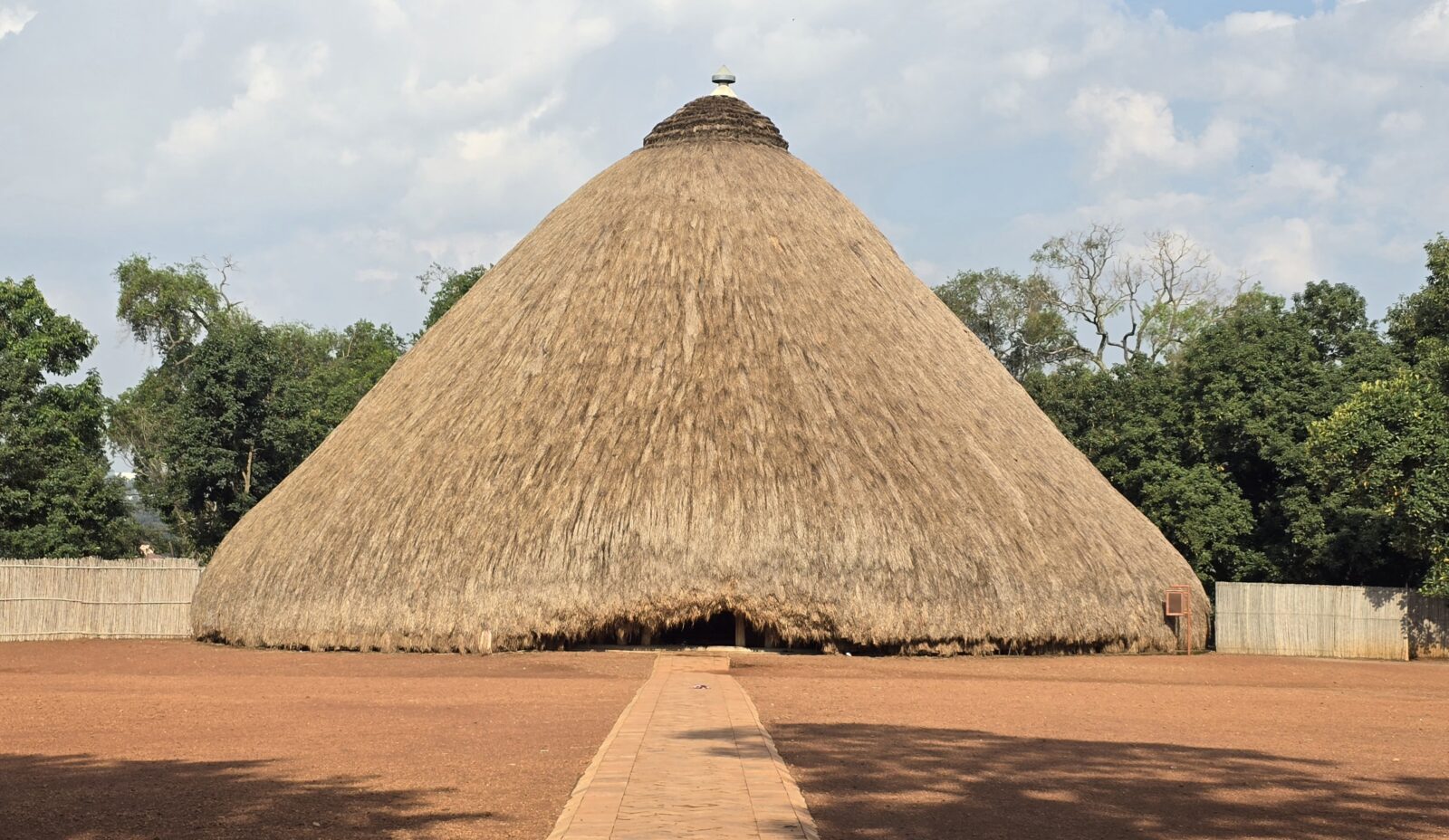
The main structure, known as Muzibu Azaala Mpanga, is a massive circular building constructed entirely from organic materials such as wood, reeds, thatch, and bark cloth.
It is considered one of the largest thatched structures in Africa.
The construction techniques reflect centuries-old craftsmanship passed down through generations. The building’s design is symbolic, representing both royal authority and cultural identity.
The use of natural materials also highlights traditional environmental knowledge and sustainability practices.
UNESCO World Heritage Status
The Kasubi Tombs was designated a UNESCO World Heritage Site due to its cultural, historical, and architectural significance.
UNESCO recognizes it as an outstanding example of traditional African architecture and as a site of living cultural heritage.
Despite facing challenges—including a major fire in 2010 that damaged the main tomb structure—restoration efforts have been ongoing to preserve the site’s authenticity and importance.
The rebuilding process itself has reinforced traditional construction techniques and cultural continuity.
What to Expect During a Visit
A visit to the Kasubi Tombs is guided and educational.
Visitors are typically led by trained guides who explain the history of the Buganda Kingdom, the significance of each structure, and the cultural practices associated with the site.
Key elements of the visit include:
• The main tomb building (Muzibu Azaala Mpanga)
• Royal graves and sacred areas
• Traditional houses within the compound
• Cultural explanations of Buganda customs
Photography may be restricted in certain areas due to cultural sensitivity.
The experience is not rushed, allowing visitors to absorb the atmosphere and significance of the site.
Cultural Etiquette and Visitor Guidelines
Because the Kasubi Tombs is a sacred site, visitors are expected to follow specific guidelines.
Modest dress is recommended, particularly covering shoulders and knees. Respectful behavior is essential, including following guide instructions and avoiding disruptive actions.
In some cases, shoes may need to be removed before entering certain areas.
These practices are part of respecting the cultural and spiritual importance of the tombs.
Accessibility and Location
The Kasubi Tombs is located on Kasubi Hill, approximately 5 kilometers from the center of Kampala.
It is easily accessible by car, taxi, or guided tour. Due to traffic conditions in Kampala, travel time may vary.
Most visitors combine the tombs with other cultural sites in the city, making it part of a broader Kampala itinerary.
Best Time to Visit
The site can be visited year-round, but mornings are generally preferred due to cooler temperatures and fewer crowds.
Dry seasons (June–August and December–February) provide more comfortable conditions for exploring outdoor areas.
Why the Kasubi Tombs Matter
The Kasubi Tombs holds significance beyond tourism.
It represents:
• The political and cultural history of the Buganda Kingdom
• A living connection between past and present generations
• A unique example of traditional African architecture
• A symbol of Uganda’s cultural identity
Its preservation is essential for maintaining historical continuity and cultural heritage.
Final Thoughts
A visit to the Kasubi Tombs offers more than sightseeing—it provides a deeper understanding of Uganda’s royal traditions and spiritual worldview.
Set within Kampala, the tombs stand as a powerful reminder that Uganda’s identity is shaped not only by its landscapes and wildlife but also by its rich cultural heritage.
For travelers seeking meaningful experiences, the Kasubi Tombs remain one of the most important and insightful destinations in the country.