
Amboseli in the Rain: Why Wet Season Has Incredible Photography
There is a common belief among safari travelers that the dry season is the only time worth visiting Africa’s great parks. Clear skies, easy wildlife spotting, and predictable conditions often dominate travel plans. But in Amboseli National Park, the wet season tells a very different story—one that photographers quietly cherish and seasoned travelers actively seek out.
When the rains arrive, Amboseli transforms. Dust settles, colors deepen, and the landscape comes alive in ways the dry season simply cannot match. Beneath the towering presence of Mount Kilimanjaro, the park becomes a canvas of light, texture, and atmosphere—perfect for truly extraordinary photography.
A Landscape Reborn
During the dry months, Amboseli is known for its dusty plains and muted tones. Wildlife is abundant, but the scenery often fades into a palette of browns and greys.
With the arrival of the rains, everything changes. Grasslands turn a vibrant green, swamps expand, and seasonal flowers begin to bloom. The contrast between الأرض and sky becomes more dramatic, creating layers of color that bring every photograph to life.
The transformation is not subtle—it is immediate and powerful. Where once there was dust, there is now reflection. Where once there was haze, there is clarity. For photographers, this shift opens up endless creative possibilities.
Dramatic Skies and Light
Perhaps the greatest gift of the wet season is the sky. In Amboseli National Park, the rains bring towering clouds, shifting الضوء, and dramatic weather patterns that constantly reshape the scene.
Sunrises and sunsets become unforgettable. The sky ignites with color—deep oranges, purples, and golds—while clouds catch and scatter the light in unpredictable ways. These moments create images that feel dynamic and alive, far removed from the flat, uniform light of the dry season.
Storm clouds rolling across the plains add depth and mood to photographs, turning even simple wildlife sightings into cinematic compositions.
Mount Kilimanjaro at Its Best
One of Amboseli’s most iconic features is the view of Mount Kilimanjaro rising above the plains. Ironically, during the dry season, the mountain is often obscured by dust and haze.
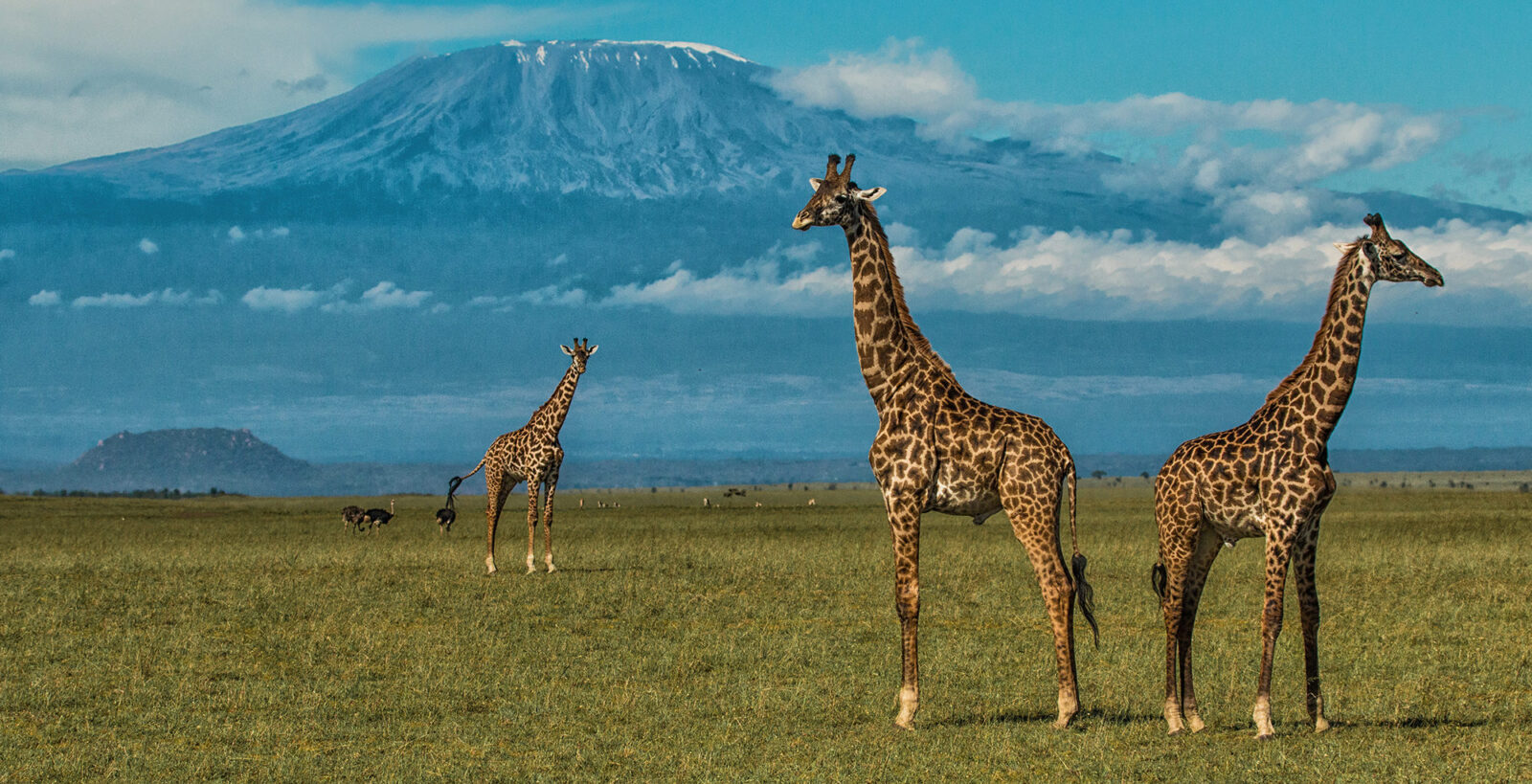
In the wet season, rain clears the air, revealing Kilimanjaro in stunning clarity. Its snow-capped peak appears sharper, more defined, and more dramatic against the changing sky.
For photographers, this is a rare opportunity. Capturing elephants walking across green plains with Kilimanjaro towering behind them is one of the most iconic images in African photography—and the wet season offers the best chance to achieve it.
Reflections and Water Elements
Rain brings water, and water brings reflection. Seasonal pools form across the park, creating natural mirrors that double the beauty of the landscape.
Elephants, giraffes, and birds reflected in still المياه add symmetry and depth to photographs. Even small puddles can transform a simple scene into something visually striking.
The swamps of Amboseli also expand during this time, attracting wildlife and offering lush, photogenic settings filled with reeds, الماء, and movement.
Wildlife in a Different Light
While the dry season concentrates animals around water sources, the wet season spreads them across the park. At first glance, this might seem like a disadvantage—but for photography, it often works in your favor.
Animals are more relaxed, grazing freely in open green spaces rather than clustering around crowded المياه holes. This creates cleaner compositions, with fewer distractions and more natural behavior.
Young animals are often born during or just after the rains, adding another layer of interest. Calves, foals, and juveniles bring life and emotion to wildlife photography, offering moments that feel fresh and full of الحركة.
Fewer Crowds, More Freedom
One of the hidden advantages of visiting Amboseli National Park during the wet season is the انخفاض in visitor numbers.
With fewer safari vehicles on the roads, photographers have more space and time to compose their shots. There is less pressure to move on quickly, allowing you to wait for the perfect light, angle, or behavior.
This sense of freedom is invaluable. It turns photography from a rushed activity into a creative process, where patience is rewarded and moments unfold naturally.
The Challenge and the Reward
Photographing in the rain is not without its challenges. Roads can become muddy, light conditions can change rapidly, and equipment must be protected from moisture.
But these challenges are part of what makes the experience so rewarding. They force you to adapt, to think creatively, and to embrace unpredictability.
The results are images that stand out—photographs with mood, atmosphere, and a sense of place that cannot be replicated in easier conditions.
Birdlife at Its Peak
The wet season is also a prime time for bird photography. Migratory species arrive, and resident birds become more active, often displaying vibrant breeding plumage.
Wetlands fill with life, attracting a wide variety of species that add color and movement to the landscape. From elegant waders to striking birds of prey, the diversity is remarkable.
For photographers who appreciate detail and variety, this is one of the most rewarding aspects of the season.
A Different Kind of Safari Story
What makes the wet season in Amboseli National Park so compelling is not just the visuals, but the feeling it creates.
There is a sense of renewal in the air. The land feels alive, the light feels softer, and every scene carries a touch of drama. It is a time when the park reveals a quieter, more intimate side of itself—one that is often overlooked by those who chase only the dry-season highlights.
Final Thoughts
The wet season in Amboseli National Park is not about convenience—it is about creativity. It is about stepping beyond the привыч expectations of a safari and discovering a landscape that is richer, more vibrant, and more emotionally powerful.
For photographers, it offers something rare: the chance to capture Amboseli at its most expressive. From dramatic skies and lush plains to reflections and crystal-clear views of Mount Kilimanjaro, every element comes together to create images that are not just beautiful, but unforgettable.
In the end, those who embrace the rain often return with something far greater than photographs—they return with a deeper understanding of the landscape, and a story that feels uniquely their own.