
Tsavo East vs Tsavo West: Which Park Should You Visit?
Kenya’s vast Tsavo ecosystem is one of the largest protected wilderness areas in Africa, divided into two distinct yet complementary parks—Tsavo East National Park and Tsavo West National Park. Though they share a common history and geography, the experiences they offer are strikingly different.
Choosing between them is not simply a matter of location—it is about the kind of safari you want. From open plains and red-dust elephants to volcanic landscapes and hidden springs, Tsavo East and Tsavo West each reveal a unique face of Kenya’s wild heart.
The Landscape: Open Plains vs Dramatic Terrain
Tsavo East National Park is defined by its vast, flat, and open landscapes. Endless savannah stretches toward the horizon, broken only by scattered acacia trees and the winding flow of the Galana River. The terrain feels expansive and raw, offering that classic African wilderness atmosphere where wildlife can be spotted from great distances.
In contrast, Tsavo West National Park is more rugged and varied. Rolling hills, volcanic outcrops, lava flows, and dense vegetation create a more dramatic and visually diverse environment. The scenery here is often described as more scenic and photogenic, with constantly changing backdrops that make every game drive feel different.
If you are drawn to wide-open spaces and sweeping views, Tsavo East will likely appeal more. If you prefer dramatic landscapes and varied terrain, Tsavo West stands out.
Wildlife Viewing: Quantity vs Variety
Wildlife experiences differ significantly between the two parks.
Tsavo East National Park is known for its large herds of elephants, often seen coated in the park’s distinctive red dust. These iconic “red elephants” are among the highlights of any visit. The open terrain also makes it easier to spot animals, including lions, giraffes, zebras, and buffalo.
Because visibility is excellent, game drives in Tsavo East often yield frequent sightings, making it particularly rewarding for first-time safari travelers.
Tsavo West National Park, on the other hand, offers a more diverse but sometimes less predictable wildlife experience. The denser vegetation can make animals harder to spot, but the variety of habitats supports a broader range of species.
Here, you may encounter everything from elephants and big cats to lesser-seen species that thrive in forested or rocky environments. The experience feels more exploratory, requiring patience and a keen eye.
Iconic Attractions
Each park has its own signature highlights that define the visitor experience.
In Tsavo East National Park, the Galana River is a central feature, attracting wildlife and providing scenic viewpoints. The Yatta Plateau, one of the world’s longest lava flows, adds a unique geological element to the landscape.
In Tsavo West National Park, the attractions are more varied and dramatic. The crystal-clear waters of Mzima Springs are a must-visit, offering the rare chance to observe hippos and fish through underwater viewing chambers.
The park is also home to the Shetani Lava Flow, a stark reminder of volcanic activity that has shaped the region. These features make Tsavo West feel more like an adventure through a living landscape.
Accessibility and Travel Experience
Both parks are easily accessible from Mombasa and Nairobi, making them popular choices for short safaris or extensions from the Kenyan coast.
Tsavo East National Park is generally easier to navigate due to its flat terrain and simpler road network. This makes it a convenient option for travelers with limited time.
Tsavo West National Park can be more challenging to explore, with rougher roads and more complex terrain. However, this adds to its sense of adventure and remoteness.
Crowd Levels and Atmosphere
Both parks are less crowded than Kenya’s more famous reserves, but Tsavo East National Park tends to feel more open and less congested due to its size.
Tsavo West National Park, while still relatively quiet, can feel more enclosed because of its terrain and vegetation.
Overall, both parks offer a more relaxed and less commercial safari experience compared to destinations like the Maasai Mara.
Accommodation and Safari Style
Accommodation options in both parks range from budget lodges to luxury camps.
Tsavo East National Park often features lodges with expansive views over plains and waterholes, allowing for excellent wildlife viewing directly from your accommodation.
Tsavo West National Park offers more secluded and scenic lodges, often set against hills or بالقرب من springs, emphasizing privacy and atmosphere.
Your choice may depend on whether you prefer open vistas or more intimate, nature-immersed settings.
Which Park Is Better for You?
Choosing between Tsavo East and Tsavo West depends on your travel priorities.
If you are looking for classic safari scenery, easier wildlife spotting, and large herds of animals, Tsavo East National Park is likely the better choice. It delivers that iconic African safari feel with minimal effort.
If you are drawn to dramatic landscapes, varied ecosystems, and a more adventurous safari experience, Tsavo West National Park may be more rewarding. It offers depth, diversity, and unique attractions that go beyond traditional game drives.
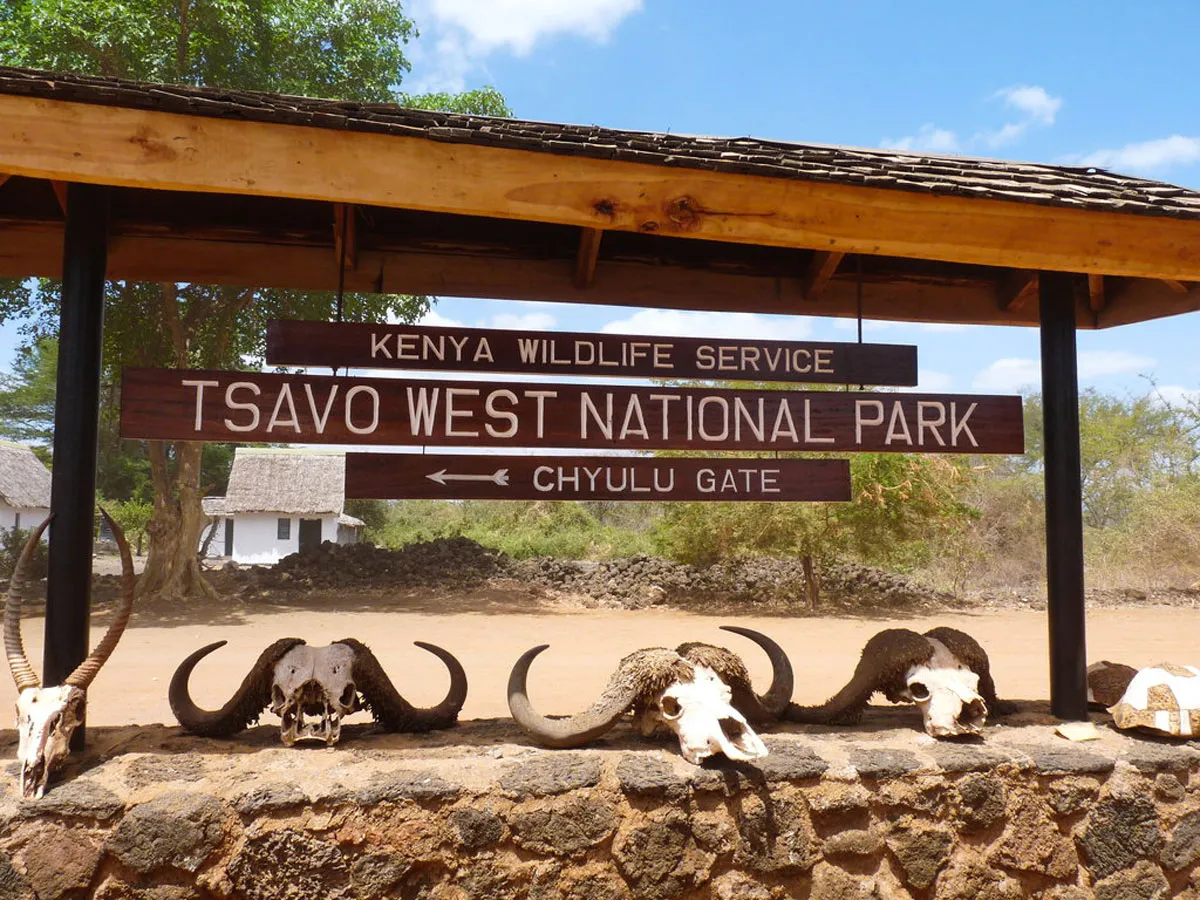
Why Not Visit Both?
For those with more time, combining both parks provides the most complete Tsavo experience.
Together, Tsavo East National Park and Tsavo West National Park showcase the full diversity of the region—from sweeping plains to volcanic landscapes, from abundant wildlife to hidden الطبيعية wonders.
This combination allows you to experience the contrasts that make Tsavo one of Kenya’s most fascinating safari destinations.
Final Thoughts
The choice between Tsavo East National Park and Tsavo West National Park is not about which park is better, but about which experience resonates with you.
Tsavo East offers simplicity, scale, and abundant wildlife. Tsavo West offers complexity, beauty, and adventure.
Whichever you choose, you will find yourself immersed in one of Africa’s largest and most diverse wilderness areas—a place where the spirit of the wild remains strong, and where every journey reveals something new.