
Shimba Hills National Reserve: Kenya’s Coastal Rainforest Safari
Rising like a green sanctuary above the Indian Ocean coastline, Shimba Hills National Reserve offers one of Kenya’s most unexpected and rewarding safari experiences. Often overshadowed by the iconic savannahs of the Maasai Mara, this lush reserve reveals a completely different side of East Africa—one defined by dense coastal rainforest, rolling hills, rare wildlife, and a quiet sense of discovery.
Just a short journey from the pristine shores of Diani Beach, Shimba Hills is where the rhythms of the forest replace the drama of the plains, and where the safari experience becomes more intimate, immersive, and refreshingly uncrowded.
A Landscape Shaped by Forest and Sea
The first impression of Shimba Hills is its greenery. Unlike the golden grasslands that dominate much of Kenya’s safari imagery, this reserve is a tapestry of deep forest, open glades, and undulating hills that seem to breathe with life.
Perched at a higher elevation than the coast below, the reserve benefits from a cooler climate, with mist often clinging to the treetops in the early morning. This creates an atmosphere that feels almost mystical, especially as sunlight filters through the canopy and illuminates the forest floor.
The terrain is diverse and constantly shifting. One moment you are driving through dense woodland, the next you emerge into a clearing where animals graze against a backdrop of distant ocean views. This blend of ecosystems supports a remarkable variety of species and makes every game drive feel like a journey through multiple worlds.
The Rare Jewel: Sable Antelope
Among the many reasons to visit Shimba Hills National Reserve, none is more compelling than the chance to see the rare sable antelope. These striking animals, with their glossy black coats and elegantly curved horns, are among Africa’s most beautiful antelope species.
Shimba Hills is one of the few places in Kenya where sable antelope have been successfully reintroduced and protected. Spotting one is a moment of quiet triumph, often requiring patience and a bit of luck.
Unlike the more commonly seen species on the savannah, sable antelope prefer the cover of woodland, moving gracefully through the shadows. Their presence adds an element of exclusivity to the reserve, making every sighting feel special and earned.
Wildlife in a Forest Ecosystem
While Shimba Hills may not boast the vast herds of the Maasai Mara, it offers a different kind of wildlife experience—one that is subtle, layered, and deeply engaging.
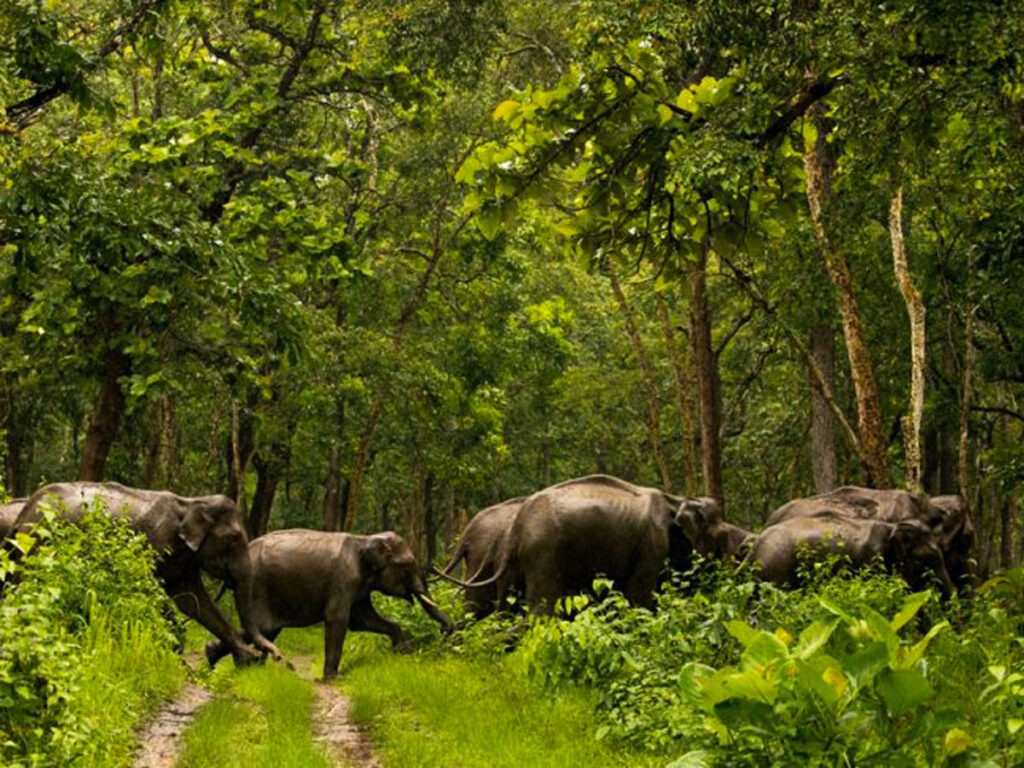
Elephants are among the reserve’s most prominent residents. These forest-adapted giants move quietly through the trees, often appearing suddenly along narrow tracks. Watching them in this environment feels more intimate than on the open plains, as the forest creates a sense of closeness and immediacy.
Buffalo are also common, grazing in open glades and gathering near water sources. Giraffes, though fewer in number, can be seen browsing on treetops, their long necks rising above the canopy. Various antelope species, including bushbuck and waterbuck, thrive in the mix of forest and grassland habitats.
Primates add another layer of life to the reserve. Troops of monkeys leap through the trees, their calls echoing through the forest, while baboons patrol the roads and clearings. These smaller encounters, often overlooked in larger parks, become highlights in Shimba Hills, where the pace of the safari encourages observation and appreciation.
A Birdwatcher’s Paradise
For bird enthusiasts, Shimba Hills is nothing short of a treasure trove. The combination of coastal and forest ecosystems creates ideal conditions for a wide range of bird species.
From colorful sunbirds and hornbills to birds of prey soaring above the hills, the reserve offers endless opportunities for discovery. The soundscape alone—filled with chirps, whistles, and calls—adds depth to the experience, turning every moment into a sensory journey.
Even for those who are not dedicated birdwatchers, the sheer variety and vibrancy of birdlife here is impossible to ignore.
Sheldrick Falls: The Heart of the Forest
One of the most memorable experiences in Shimba Hills National Reserve is the guided walk to Sheldrick Falls.
Unlike traditional safaris that rely solely on vehicles, this hike allows you to step directly into the forest and experience it up close. Accompanied by a knowledgeable guide, you descend through dense vegetation, learning about plants, animal tracks, and the intricate relationships that define the ecosystem.
The journey itself is as rewarding as the destination. The air feels cooler, the sounds more pronounced, and every step brings a deeper connection to the environment.
When you finally reach Sheldrick Falls, the sight is breathtaking. Water cascades down rocky cliffs into a serene pool, surrounded by lush greenery. It is a place of calm and beauty, offering a perfect contrast to the dynamic energy of the forest above.
A Safari Without the Crowds
In an era where many safari destinations are becoming increasingly busy, Shimba Hills remains refreshingly quiet. Visitor numbers are low, and the reserve retains a sense of exclusivity that is becoming harder to find.
Game drives here are unhurried. There is no rush from one sighting to another, no competition for space. Instead, you are free to explore at your own pace, to pause and absorb the surroundings, and to appreciate the smaller details that often go unnoticed elsewhere.
This tranquility is one of Shimba Hills’ greatest strengths. It allows for a deeper, more personal connection to the landscape and its inhabitants.
The Perfect Coastal Safari Escape
One of the most unique aspects of Shimba Hills National Reserve is its proximity to the coast. From Diani Beach, the reserve is just a short drive away, making it one of the easiest safari destinations to access from a beach setting.
This makes Shimba Hills an ideal addition to a coastal holiday. You can spend your mornings relaxing on white الرمال beaches and your afternoons exploring forest trails and spotting wildlife.
Few places in Africa offer such a seamless combination of beach and safari, and it is this versatility that makes Shimba Hills particularly appealing to travelers seeking variety without long travel times.
Best Time to Visit
Shimba Hills is a year-round destination, but the experience can vary depending on the season.
The dry seasons, from June to October and January to February, are generally the best times for wildlife viewing. Vegetation is less dense, making animals easier to spot, and the weather is more predictable.
The wet seasons bring a different kind of beauty. The forest becomes even more lush, waterfalls are at their fullest, and birdlife is especially active. While wildlife sightings may require more patience, the scenery during this time is truly spectacular.
Accommodation Options
Accommodation around Shimba Hills ranges from eco-lodges داخل the reserve to luxury resorts along the coast.
Staying داخل the reserve offers the advantage of early access to game drives and a deeper immersion in the environment. Many lodges are designed to blend into the forest, offering panoramic views and a strong sense of connection to nature.
Alternatively, staying at Diani Beach allows you to combine the best of both worlds, enjoying the comfort of beachfront resorts while taking day trips into the reserve.
Why Shimba Hills Stands Out
What makes Shimba Hills truly special is not just its wildlife or its landscapes, but the feeling it evokes. It is a place where the pace slows, where the noise of the modern world fades, and where nature reveals itself in subtle, powerful ways.
It is not about ticking off a checklist of animals. It is about experiencing the forest—the way light filters through the trees, the way الهواء carries the scent of vegetation, the way الحياة moves quietly around you.
For travelers who have already experienced the classic savannah safari, Shimba Hills offers something different. For first-time visitors, it provides a gentle and accessible introduction to Kenya’s natural beauty.
Final Thoughts
Shimba Hills National Reserve is a destination that surprises and rewards in equal measure. It challenges expectations of what a safari should be and replaces them with something more intimate, more nuanced, and more deeply connected to the natural world.
From the rare sable antelope and forest elephants to the tranquil beauty of Sheldrick Falls, every element of the reserve contributes to an experience that feels both unique and unforgettable.
For those willing to step off the beaten path, to trade vast crowds for quiet exploration, and to embrace a different rhythm of travel, Shimba Hills offers a safari unlike any other—one where the forest speaks, and those who listen are richly rewarded.