
Uganda Currency and Money Tips for Safari Travellers
Understanding how money works in Uganda is essential for any safari traveler. While the country is increasingly modern in terms of financial services, it still operates largely as a cash-based economy, especially outside major urban centers. Whether you are heading into the savannahs of Murchison Falls National Park or trekking gorillas in Bwindi Impenetrable National Park, knowing how to manage your finances will make your journey smoother, safer, and more enjoyable.
This guide provides a detailed breakdown of Uganda’s currency, payment systems, tipping culture, and practical money tips specifically tailored for safari travelers.
The Ugandan Currency: What You Need to Know
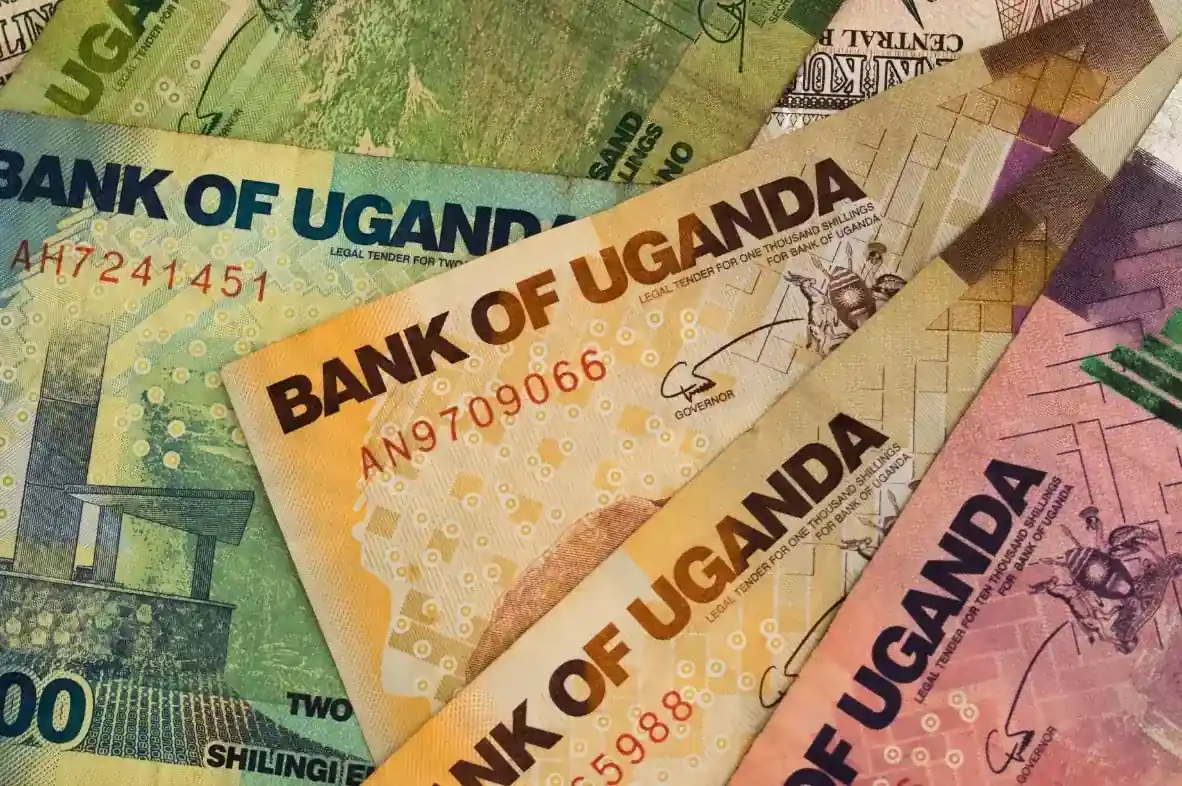
The official currency of Uganda is the Ugandan Shilling (UGX). It is a non-convertible currency, meaning you cannot easily exchange it outside the country, so it is best to convert only what you need.
Banknotes in circulation typically include denominations of 1,000, 2,000, 5,000, 10,000, 20,000, and 50,000 shillings. Coins exist but are rarely used in everyday transactions, especially in tourism-related activities.
For context, Uganda is considered an affordable destination compared to many safari countries, but prices in the tourism sector—especially permits, lodges, and guided experiences—are often quoted in US dollars.
USD vs UGX: Which Currency Should You Use?
In Uganda’s tourism industry, both Ugandan Shillings and US Dollars are widely accepted, but each has its role.
US Dollars are commonly used for:
Safari lodges and high-end hotels
Gorilla and chimpanzee permits
Tour packages and advance bookings
However, there is a critical detail: US dollar notes must be recent (issued 2009 or later) and in good condition. Torn, old, or heavily worn notes are often rejected.
Ugandan Shillings are best used for:
Local markets and small shops
Tips and small purchases
Transport fares and roadside expenses
In practice, most safari travelers use a combination of both currencies. Dollars handle the major expenses, while shillings cover daily spending.
Accessing Money in Uganda
Access to cash is relatively easy in cities but becomes limited as you move into rural or protected areas.
ATMs are widely available in Kampala and Entebbe. Most machines accept international cards such as Visa, though Mastercard compatibility can be inconsistent. Withdrawal limits may apply, and fees vary depending on your bank.
Once you leave urban areas and head into national parks like Queen Elizabeth National Park, ATM access becomes scarce or nonexistent. It is essential to withdraw enough cash before starting your safari.
Foreign exchange bureaus are common in Kampala and Entebbe, often offering better rates than airport counters. Hotels may also exchange money, though usually at less favorable rates.
Card Payments and Digital Money
Card payments are becoming more common in Uganda, particularly in upscale hotels, lodges, and restaurants. However, reliance on cards alone is not advisable.
Even in high-end safari lodges, connectivity issues can affect card machines. Some places also charge a surcharge for card payments, typically around 3–5%.
Mobile money is widely used locally and is one of the most dominant financial systems in Uganda. Services like MTN MoMo and Airtel Money allow users to send and receive money easily. While this system is extremely useful for residents, it is less practical for short-term visitors unless you set up a local SIM card.
Tipping Culture on Safari
Tipping is customary in Uganda’s tourism industry and is an important part of income for guides, drivers, and lodge staff.
Safari guides and drivers are typically tipped at the end of a trip. The amount depends on the length and quality of service, but tipping is expected and appreciated.
At lodges, there is often a general staff tip box where contributions are shared among employees. Individual tipping for exceptional service is also common.
Porters during gorilla trekking—especially in places like Mgahinga Gorilla National Park—play a crucial role and should always be tipped, as they assist with carrying bags and navigating challenging terrain.
It is best to tip in US dollars or Ugandan shillings, depending on what you have available.
Budgeting for a Safari in Uganda
A safari in Uganda can vary significantly in cost depending on your travel style. Budget travelers may spend modestly on accommodation and transport, while luxury safaris can be considerably more expensive.
Key cost areas include:
Park entry fees and permits
Accommodation (budget to luxury lodges)
Transport (private vehicles or domestic flights)
Guided activities and excursions
Gorilla trekking permits, for example, are one of the largest expenses and are priced in US dollars. Planning your budget in advance ensures you carry the right mix of currency.
Safety Tips for Handling Money
Uganda is generally safe for travelers, but basic precautions are necessary when handling money.
Avoid carrying large amounts of cash in one place. Instead, split your money between bags or use a money belt for added security.
When withdrawing cash from ATMs, use machines located inside banks or secure areas. Be cautious of your surroundings and avoid withdrawing large sums at night.
Keep small denominations handy for tips and minor purchases. This avoids the challenge of finding change, especially in rural areas.
Money Tips for Remote Safari Locations
Safari destinations often operate far from major infrastructure, which means financial planning becomes even more important.
Before heading into remote parks like Kidepo Valley National Park, ensure you have enough cash for the entire duration of your stay. This includes tips, drinks, souvenirs, and any optional activities.
Many lodges in remote areas operate on an all-inclusive basis, but extras such as premium drinks or additional excursions may require payment on-site.
Internet connectivity in these regions can be limited, affecting both card payments and mobile transactions. Cash remains the most reliable option.
Common Mistakes to Avoid
One of the most common mistakes travelers make is relying too heavily on cards. While Uganda is modernizing, cash is still king in many situations.
Another mistake is bringing old or damaged US dollar notes. These are frequently rejected, causing unnecessary inconvenience.
Failing to plan for tips is another oversight. Tipping is an integral part of the safari experience and should be factored into your budget.
Finally, not withdrawing enough cash before heading to remote areas can lead to logistical challenges, as financial services are not readily available in national parks.
Managing Money with Confidence
Handling money in Uganda does not need to be complicated. With a clear understanding of how the system works and a bit of preparation, you can focus on enjoying your safari rather than worrying about finances.
Using a combination of US dollars and Ugandan shillings, planning your withdrawals in advance, and carrying cash for remote areas will ensure a seamless experience. From the vibrant streets of Kampala to the wild landscapes of Uganda’s national parks, being financially prepared allows you to travel with confidence and ease.
A well-planned approach to money is not just practical—it is part of what makes your Ugandan safari smooth, stress-free, and truly unforgettable.