
Kenya Safari Booking Tips: How to Avoid the Common Mistakes
A safari in Kenya is a dream come true for many travelers. The country is home to some of the most iconic wildlife experiences in the world, from the vast plains of the Maasai Mara National Reserve to the dramatic landscapes of Amboseli National Park. While the wildlife is unforgettable, planning a safari can be overwhelming, and many travelers make avoidable mistakes that impact their experience. Understanding common pitfalls and how to avoid them will help ensure your safari is seamless, safe, and unforgettable.
Start Early and Book in Advance
One of the most common mistakes is leaving bookings until the last minute. Kenya is a top safari destination, and popular parks like the Maasai Mara see massive demand, especially during the Great Migration (July to October).
Booking early allows you to secure the best lodges, conservancies, and guides. You’ll also have a better chance at prime viewing locations and can often lock in lower rates. Waiting too long can mean higher costs, limited options, and missing out on signature experiences.
Understand the Seasons
Many travelers fail to align their safari with the right season for their goals. Kenya’s wildlife experiences vary dramatically between the dry season (June to October) and the wet season (March to May).
During the dry season, animals gather around water sources, making wildlife viewing easier, and the Great Migration reaches the Maasai Mara. The wet season, however, offers lush landscapes, fewer crowds, and excellent birdwatching. Knowing what you want to see and when will help you choose the best time and avoid disappointment.
Choose the Right Parks and Lodges
Not all parks offer the same experiences, and not all lodges are created equal. Choosing the wrong location or accommodation can result in long drives to wildlife, subpar service, or limited access to prime viewing areas.
Many travelers also underestimate the value of staying in private conservancies adjacent to the Maasai Mara. These areas often have fewer visitors, exclusive wildlife encounters, and experienced guides. Compare options carefully and prioritize lodges or camps that are known for quality safari experiences.
Don’t Underestimate Safari Transportation
Another common error is overlooking transportation logistics. Safari itineraries often involve multiple parks and long drives. Poor planning can lead to missed game drives, exhaustion, or even safety risks on rough roads.
Consider whether you want:
- Overland transfers: Cost-effective but slower, especially between parks.
- Fly-in safaris: Faster and more comfortable but more expensive.
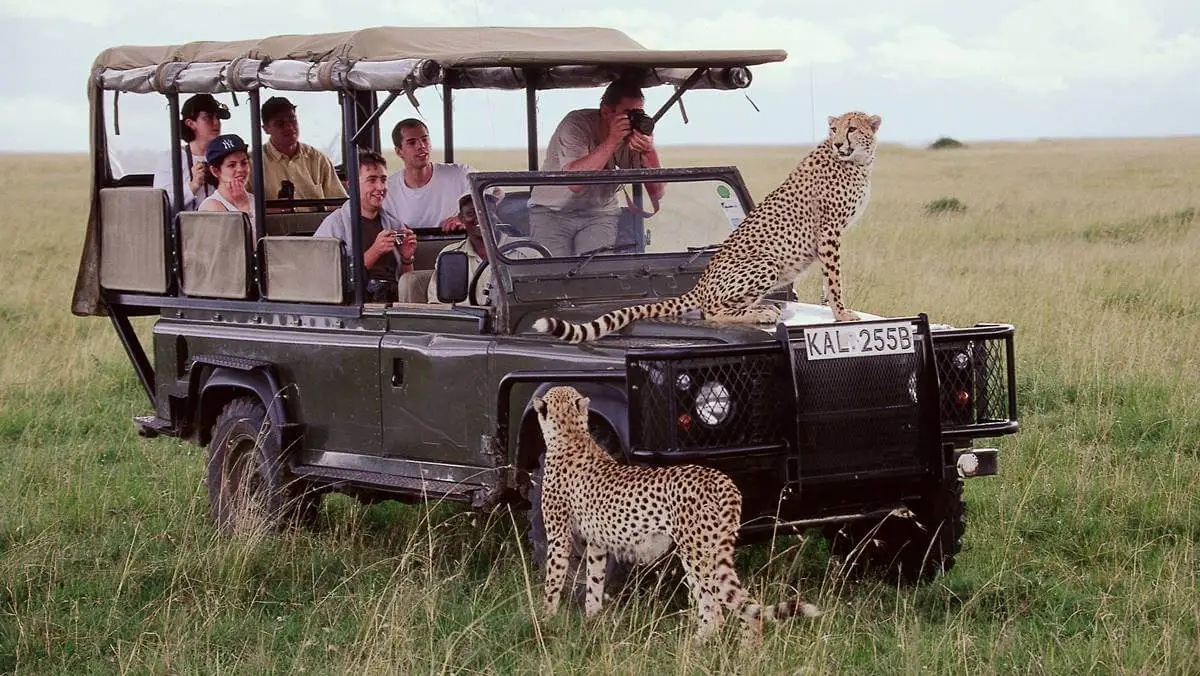
Ensure your travel provider offers reliable 4×4 vehicles with experienced drivers who understand the terrain and wildlife behavior.
Check What’s Included in Your Package
Many travelers assume that all safari packages are comprehensive, but inclusions vary widely. Confirm exactly what is covered: park fees, vehicle costs, meals, guide services, and accommodations.
Hidden extras such as conservancy levies, hot air balloon fees, or optional activities can significantly add to the cost if you’re unprepared. Reading the fine print and clarifying with your operator can prevent unpleasant surprises.
Pack Appropriately
A poorly packed bag can turn a great safari into an uncomfortable experience. Essentials include neutral-colored clothing, sturdy walking shoes, a wide-brimmed hat, sunscreen, insect repellent, and binoculars.
Many travelers also forget medications, chargers, and rain gear, which can be inconvenient when staying in remote lodges or moving between parks. Preparing in advance ensures comfort and safety throughout the trip.
Choose Experienced Guides
A knowledgeable guide can make or break a safari. Guides interpret animal behavior, locate wildlife, and ensure safety in the bush. Choosing inexperienced guides can lead to missed sightings, unsafe situations, or less educational experiences.
Verify your guide’s credentials and experience, especially for walking safaris or visits to less-visited parks. The best guides have local knowledge, track wildlife expertly, and provide context that enhances your safari.
Mind the Health and Safety Precautions
Kenya is generally safe for travelers, but ignoring health precautions is a frequent mistake. Vaccinations, malaria prophylaxis, and travel insurance—including medical evacuation coverage like Flying Doctors Insurance—are critical.
Ensure you have:
- Vaccinations required for Kenya travel
- Anti-malarial medication and repellents
- Emergency contact information for your safari operator
Being proactive about health and safety minimizes risk and ensures peace of mind during your trip.
Avoid Overpacking Activities
Many travelers try to do too much in a single safari, cramming multiple parks, hikes, and balloon rides into a short itinerary. This can lead to fatigue, rushed experiences, and less enjoyment of wildlife viewing.
Focus on quality over quantity: select a few key parks and experiences, allowing ample time for game drives and relaxation at your lodge or camp.
Confirm All Documentation
Last-minute issues with visas, permits, or park entry can ruin your safari. Confirm all travel documents in advance:
- Valid passport
- Kenyan visa (if required)
- Park permits for special activities
- Travel insurance with medical evacuation coverage
Double-checking these details avoids unnecessary stress and delays.
Use Reputable Safari Operators
Choosing the wrong operator is a mistake that can cost both time and money. Look for companies with positive reviews, clear pricing, experienced guides, and transparent communication. Reputable operators can handle logistics, provide insider knowledge, and respond quickly to emergencies.
Final Thoughts
Booking a safari in Kenya requires careful planning and attention to detail. Common mistakes—such as late booking, misunderstanding seasons, choosing the wrong parks, or neglecting health and safety precautions—can impact your experience significantly.
By starting early, researching parks and lodges, confirming inclusions, packing wisely, and using experienced guides and operators, you can avoid these pitfalls. A well-planned safari ensures that your time in Kenya’s extraordinary wildlife landscapes is safe, comfortable, and unforgettable.
Your adventure in the heart of Africa should be defined by the thrill of wildlife encounters and the beauty of Kenya’s national parks—not by avoidable mistakes in planning.