
Kenya’s Big Five: Where to See All of Them in One Trip
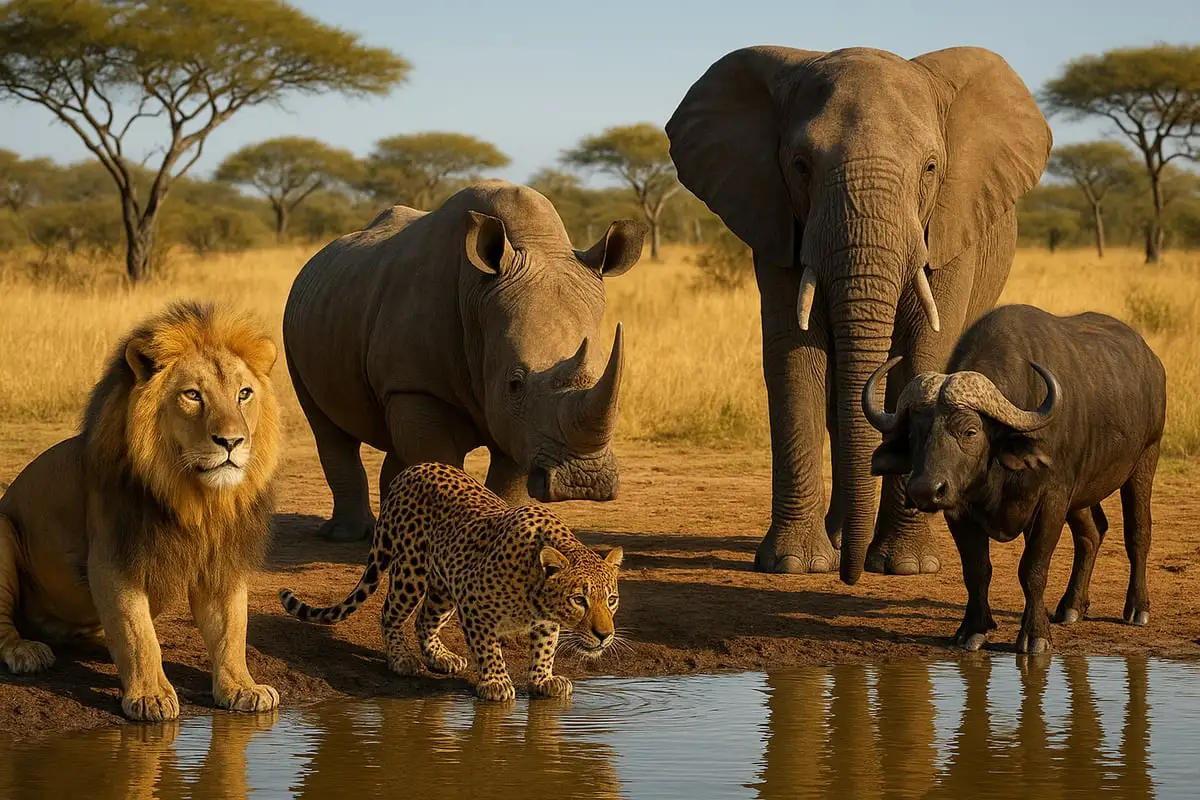
Kenya remains one of the few destinations in the world where spotting the Big Five—lion, leopard, elephant, buffalo, and rhino—within a single itinerary is not only possible but highly achievable. Originally coined by hunters to describe the most dangerous animals to track on foot, the term “Big Five” has evolved into a must-see checklist for wildlife enthusiasts and safari travelers.
For modern travelers, the goal is no longer conquest but conservation, photography, and experience. Kenya’s well-managed national parks and reserves offer structured, safe, and rewarding opportunities to encounter all five species in their natural habitats. The key lies in selecting the right combination of destinations and allowing enough time for quality game drives.
Understanding the Big Five
Before planning where to see them, it is important to understand what makes each of the Big Five unique and where they are most commonly found.
Lions are the most social of the group, often seen in prides resting under trees or stalking prey across open plains. Leopards are solitary and elusive, usually spotted draped over tree branches or moving silently at dusk. Elephants are widespread and easier to find, often moving in herds near water sources. Buffalo are also common, typically seen in large groups grazing across savannahs. Rhinos, however, are the rarest of the five and require specific conservation areas for reliable sightings.
Because rhinos are highly protected and not widely distributed, your itinerary must include at least one park known for consistent rhino sightings.
Best Places in Kenya to See the Big Five
Maasai Mara National Reserve
The Maasai Mara is Kenya’s most famous safari destination and one of the best places in Africa to see four of the Big Five in a single location.
Here, lions are abundant and frequently seen, often engaged in hunting or resting in the open. Leopards are present but require patience and a skilled guide to locate. Elephants and buffalo are commonly spotted throughout the reserve.
Rhinos are present in smaller numbers, particularly black rhinos, but sightings are less predictable compared to other parks. For this reason, while the Maasai Mara is exceptional for wildlife density, it is not the most reliable location to complete the full Big Five checklist.
Lake Nakuru National Park
Lake Nakuru is one of the best places in Kenya to see rhinos, making it a critical stop for any Big Five itinerary.
The park is home to both black and white rhinos, protected within a fenced conservation area that increases the likelihood of sightings. In addition to rhinos, the park hosts buffalo, lions, and occasionally leopards.
Although elephants are not found in Lake Nakuru, its importance lies in securing rhino sightings, which can then be complemented by other parks.
Amboseli National Park
Amboseli is renowned for its large elephant herds and stunning views of Mount Kilimanjaro. Elephants here are among the most studied and accessible in Africa, often seen at close range.
The park also supports lions, buffalo, and a variety of other wildlife. Leopards are present but rarely seen, and rhinos are absent. Amboseli is therefore best used as a complementary destination rather than a standalone Big Five location.
Ol Pejeta Conservancy
Ol Pejeta is one of the most reliable places in Kenya to see both black and white rhinos. It is also home to the last two northern white rhinos in the world, making it a significant conservation site.
In addition to rhinos, Ol Pejeta hosts lions, elephants, buffalo, and a healthy population of other wildlife. Its controlled environment and conservation focus make wildlife sightings more consistent and less dependent on chance.
This conservancy is often considered essential for completing the Big Five in a single trip.
Suggested Itinerary to See the Big Five
A well-structured itinerary is the most effective way to ensure you see all members of the Big Five.
Day 1–2: Arrival in Nairobi and transfer to Ol Pejeta Conservancy
Start your journey with rhino tracking and wildlife viewing. Ol Pejeta provides a strong foundation for ticking off rhinos, elephants, lions, and buffalo early in the trip.
Day 3–4: Transfer to Lake Nakuru National Park
Focus on rhino sightings and enjoy additional game drives. This reinforces your chances of seeing both black and white rhinos.
Day 5–7: Maasai Mara National Reserve
Spend multiple days exploring the Mara. This increases your chances of spotting leopards while enjoying high densities of lions, elephants, and buffalo.
Optional Extension: Amboseli National Park
Add Amboseli for enhanced elephant encounters and scenic landscapes dominated by Mount Kilimanjaro.
When to Visit for the Best Chances
Wildlife viewing in Kenya is possible year-round, but certain seasons improve your chances of seeing the Big Five.
The dry seasons, from June to October and January to February, are ideal. During these periods, vegetation is thinner, and animals gather around water sources, making them easier to spot.
The Great Migration, typically occurring between July and October in the Maasai Mara, adds an extra layer of excitement, though it is not directly related to the Big Five.
Safari Tips for Maximizing Sightings
Seeing all five animals requires patience, timing, and the right approach.
Work with experienced guides who understand animal behavior and tracking patterns. Their knowledge significantly increases your chances of locating elusive species like leopards.
Plan multiple game drives in each destination. Wildlife sightings are never guaranteed, so more time in the field improves your odds.
Start early in the morning and go out again in the late afternoon. These are the most active times for wildlife.
Stay in or near the parks to reduce travel time and maximize time spent on game drives.
Final Thoughts
Seeing the Big Five in Kenya within a single trip is entirely achievable with proper planning and the right combination of destinations. By including rhino-focused conservation areas like Ol Pejeta or Lake Nakuru alongside wildlife-rich reserves like the Maasai Mara, travelers can experience the full spectrum of Kenya’s iconic wildlife.
Beyond the checklist, however, the true value of a safari lies in the experience itself—the landscapes, the ecosystems, and the moments of connection with nature. The Big Five may be the goal, but the journey offers far more than just five sightings.