
Uganda vs Rwanda vs Congo: Gorilla Trekking Permit Costs Compared (2026 Guide)
Gorilla trekking is one of the most tightly regulated wildlife experiences in the world, and the permit cost is the central factor that determines where most travelers go. It is not just an entry fee—it directly influences conservation funding, tourism density, infrastructure quality, and even the overall style of safari you will experience.
In Africa, mountain gorilla trekking is possible in three countries: Uganda, Rwanda, and the Democratic Republic of Congo. Each destination has a different pricing model, and these differences reflect broader tourism strategies rather than differences in gorilla quality or viewing success.
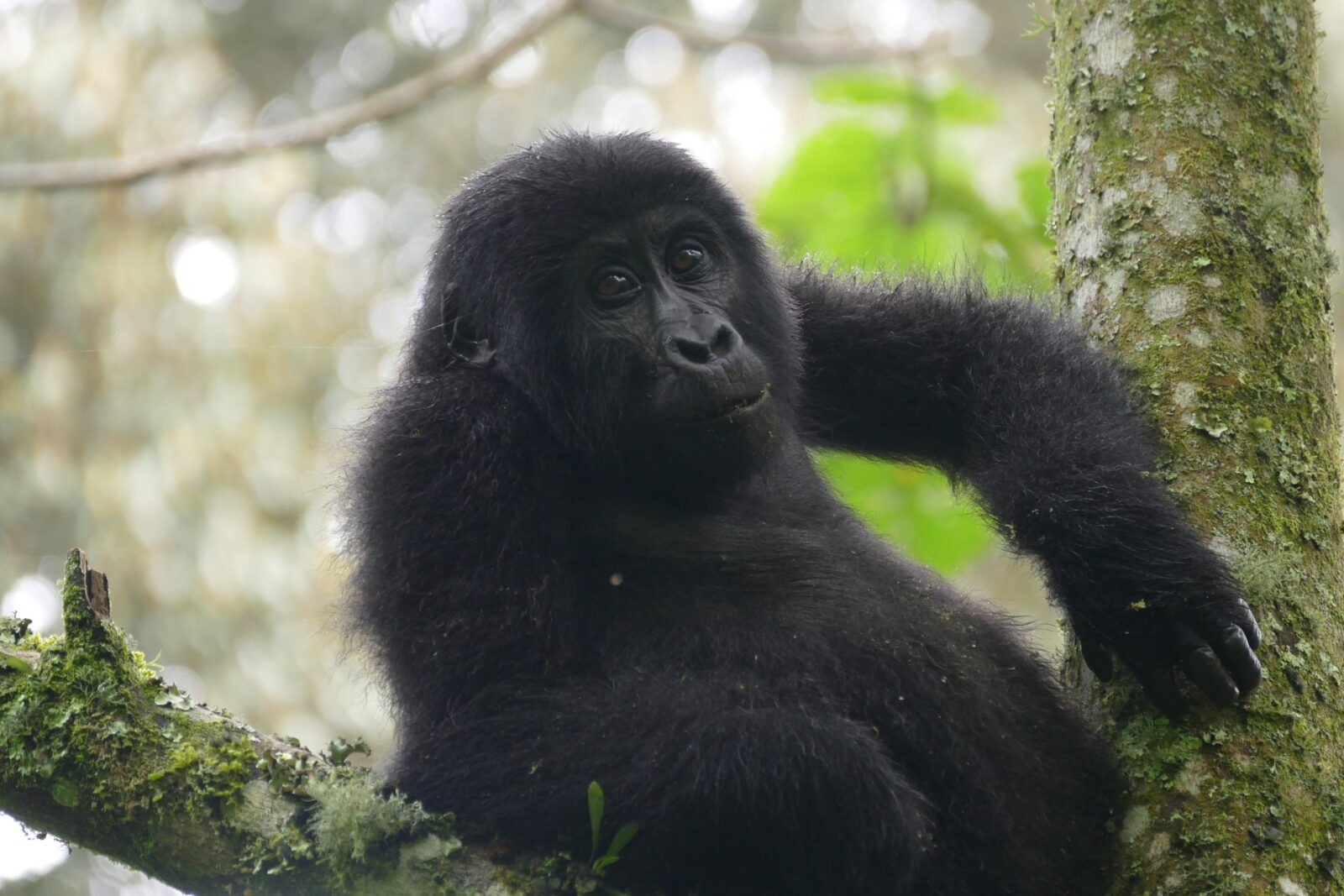
The gorillas themselves are part of the same Virunga ecosystem, meaning whether you see them in Uganda, Rwanda, or Congo, you are observing the same endangered species in closely connected habitats. What changes dramatically is the cost, logistics, and travel experience surrounding the trek.
This detailed guide breaks down the permit costs in each country, explains why they differ, and shows what each price actually means for your safari planning.
Uganda Gorilla Trekking Permit Cost and Value
Uganda offers gorilla trekking mainly in Bwindi Impenetrable National Park and a smaller number of treks in Mgahinga Gorilla National Park. Bwindi remains the most important site due to its high number of habituated gorilla families and multiple trekking sectors.
The current standard permit price for foreign non-residents is approximately 800 US dollars per person. This positions Uganda in the mid-range of gorilla trekking destinations globally.
Uganda’s pricing strategy is designed to balance accessibility with conservation funding. It allows a wider range of travelers to participate while still ensuring that revenue supports park protection, ranger salaries, and community development programs surrounding Bwindi.
What the Uganda permit includes is very specific. It grants one hour of direct observation with a habituated gorilla family, along with the services of trained rangers and trackers who guide you through the forest. It also includes security support and contributes to long-term conservation efforts.
In practical travel terms, Uganda offers the strongest value proposition. The permit cost is lower, and it can easily be integrated into longer safari circuits that include places like Queen Elizabeth National Park and Kibale Forest National Park. This makes Uganda especially attractive for travelers who want a full East African safari experience rather than a single-activity trip.
Rwanda Gorilla Trekking Permit Cost and Positioning
Rwanda conducts gorilla trekking in Volcanoes National Park, located in the northwestern part of the country near the Virunga volcanic mountains.
The current gorilla trekking permit cost in Rwanda is approximately 1,500 US dollars per person for foreign non-residents. This makes it the most expensive gorilla trekking destination in the world.
The high price is not accidental. Rwanda has deliberately positioned itself as a premium wildlife destination, focusing on high-value, low-volume tourism. The goal is to limit visitor numbers while maximizing revenue per visitor, thereby reducing environmental pressure on gorilla habitats and funding high-quality conservation management.
In return for the higher cost, travelers benefit from a highly organized and efficient system. Roads from Kigali to Volcanoes National Park are well maintained, travel times are short, and logistics are streamlined. This makes Rwanda particularly appealing for short-duration luxury safaris.
The permit includes one hour with a gorilla family, ranger guidance, and tightly managed trekking procedures that ensure controlled group sizes and consistent visitor experiences.
From a practical standpoint, Rwanda is less about budget value and more about convenience, exclusivity, and comfort. It is often chosen by high-end travelers or those combining gorilla trekking with luxury lodge stays and short itineraries.
Congo Gorilla Trekking Permit Cost and Adventure Factor
The Democratic Republic of Congo offers gorilla trekking primarily in Virunga National Park and, for lowland gorillas, Kahuzi-Biega National Park.
Permit prices in Congo are significantly lower than in Uganda and Rwanda, typically ranging between 400 and 500 US dollars per person. This makes it the cheapest gorilla trekking destination in the region.
The lower price reflects several structural realities. Tourism infrastructure is less developed, political and security conditions can fluctuate in certain areas, and visitor numbers are far lower than in Uganda or Rwanda. However, this also contributes to a more remote and less commercialized wilderness experience.
The permit includes one hour with a habituated gorilla family and ranger-led tracking within designated sectors of the park. Despite lower costs, the core wildlife experience remains fundamentally the same: close observation of mountain gorillas in their natural habitat.
Congo appeals primarily to highly adventurous travelers who prioritize cost savings and raw wilderness over comfort and predictability. It requires more flexible planning and a higher tolerance for logistical uncertainty compared to Uganda or Rwanda.
Direct Permit Cost Comparison
When placed side by side, the differences are clear.
Uganda, specifically Bwindi Impenetrable National Park, is approximately 800 US dollars per permit.
Rwanda, in Volcanoes National Park, is approximately 1,500 US dollars per permit.
Congo offers permits in the range of 400 to 500 US dollars per permit.
This creates a clear pricing hierarchy where Congo is the most affordable, Uganda is mid-range, and Rwanda is premium priced.
What the Price Differences Actually Mean in Real Travel Terms
While the numerical difference is straightforward, the practical implications are more important for travelers.
Uganda offers the best balance between cost and experience. The lower permit price allows travelers to combine gorilla trekking with other major safari activities. A typical itinerary might include wildlife viewing in Queen Elizabeth National Park, chimpanzee trekking in Kibale, and gorilla trekking in Bwindi. This makes Uganda the most versatile option.
Rwanda’s higher price reflects a different philosophy. Instead of diversity, it focuses on efficiency and comfort. Travelers can fly into Kigali and reach Volcanoes National Park in a few hours, complete their trek, and return without long road journeys. This makes it ideal for short luxury-focused trips.
Congo prioritizes affordability and wilderness immersion. However, it requires more careful planning and is less commonly used for first-time gorilla trekking safaris due to logistical and regional considerations.
Hidden Costs Beyond the Permit
It is important to understand that the permit is only part of the total cost.
In Uganda, additional costs often include long road transfers to Bwindi Impenetrable National Park, overnight accommodation before and after trekking, and sometimes domestic flights if travelers want to shorten travel time.
In Rwanda, while travel distances are shorter, accommodation near Volcanoes National Park is generally more expensive due to the premium tourism model. Lodge prices can significantly increase the total trip budget.
In Congo, hidden costs may include specialized logistics, limited accommodation options, and the need for flexible travel arrangements depending on conditions on the ground.
Which Destination Offers the Best Value
The answer depends entirely on traveler priorities.
Uganda provides the best overall value for most travelers because it combines moderate permit pricing with high biodiversity and the ability to extend the trip into a full safari circuit. Bwindi Impenetrable National Park sits at the center of a broader wildlife ecosystem that includes savannah, forest, and river-based experiences.
Rwanda offers the highest level of convenience and comfort but at a premium cost. It is best suited for travelers who value time efficiency and luxury over budget considerations.
Congo offers the lowest entry cost but is best suited for experienced adventurers who are comfortable with less predictable travel conditions.
Same Gorillas, Different Tourism Models
Despite major differences in price, Uganda, Rwanda, and Congo all protect the same endangered mountain gorillas within a shared ecological region. The animals you encounter are part of the same genetic population and conservation system.
What truly differs is not the gorillas, but the tourism philosophy surrounding them. Uganda emphasizes balance and accessibility. Rwanda emphasizes luxury and efficiency. Congo emphasizes affordability and wilderness authenticity.
Understanding these differences allows travelers to make informed decisions based on budget, comfort level, and travel style. In the end, gorilla trekking is not about choosing the “best” country, but about choosing the experience that aligns with your expectations of adventure, cost, and comfort.