
Zanzibar Stone Town: A UNESCO World Heritage Walk-Through
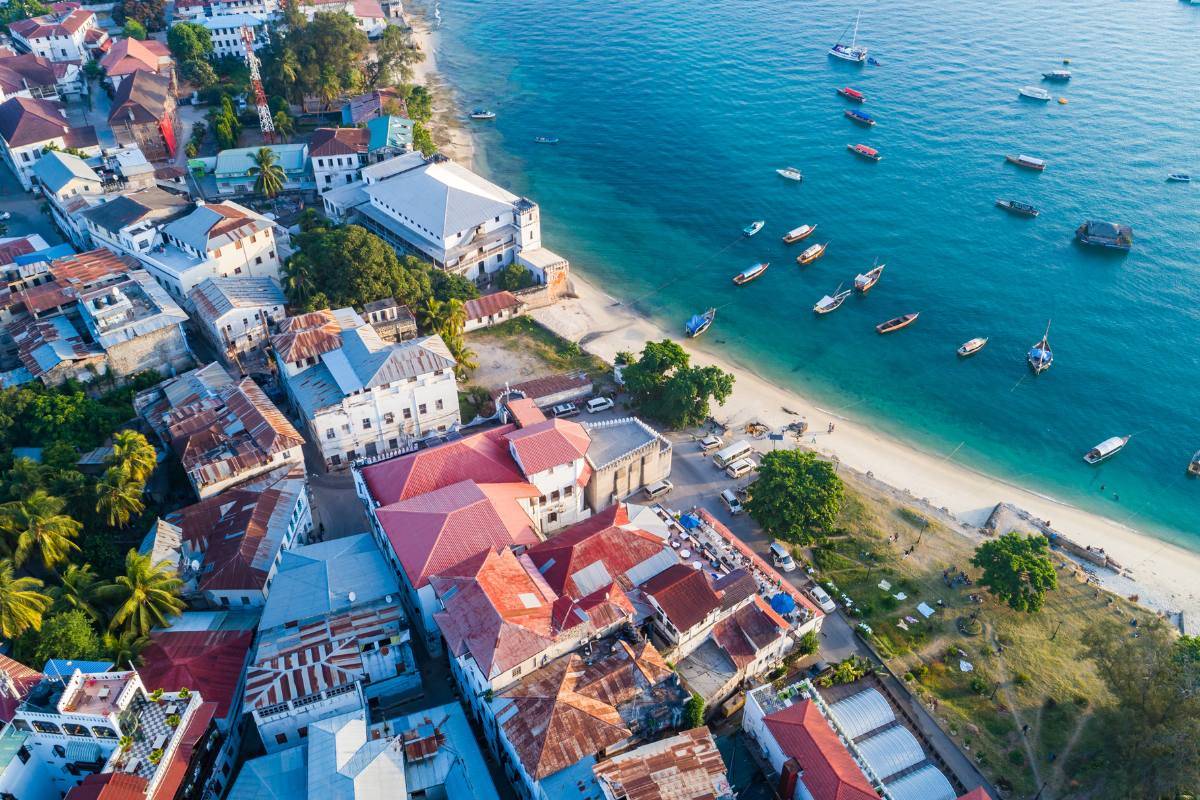
Few places in East Africa capture history, culture, and atmosphere as vividly as Stone Town. Sitting on the western edge of Zanzibar Island, this historic quarter is the cultural and architectural heart of the archipelago and a designated UNESCO World Heritage Site. Walking through Stone Town is not just sightseeing—it is stepping into a living museum shaped by centuries of trade, migration, and cultural exchange.
For travelers coming off a safari in mainland Tanzania, Stone Town offers a completely different experience. The pace slows, the air fills with the scent of spices and the sea, and every narrow street reveals layers of history waiting to be uncovered.
A Town Built on Trade and Cultural Exchange
The story of Stone Town is deeply rooted in its role as a major trading hub along the Indian Ocean. For centuries, merchants from Arabia, Persia, India, and later Europe converged here, exchanging goods such as spices, ivory, and textiles.
This constant flow of people and cultures shaped the town’s identity. Unlike many historic cities that reflect a single influence, Stone Town is a blend of African, Arab, Indian, and European elements. This fusion is visible in everything from architecture to language and cuisine.
The result is a place that feels both African and cosmopolitan at the same time, with a character that is entirely its own.
The Architecture That Defines Stone Town
One of the most striking features of Stone Town is its architecture. The town is known for its coral stone buildings, wooden balconies, and intricately carved doors that have become symbolic of Zanzibar’s heritage.
Walking through the narrow alleys, you will notice how buildings seem to lean toward each other, creating shaded pathways that offer relief from the tropical heat. Many structures date back to the 19th century, when Zanzibar was at the height of its trading power.
The famous Zanzibar doors are particularly noteworthy. These heavy wooden doors are often decorated with brass studs and detailed carvings, each design reflecting the cultural background and status of the original owner.
This architectural richness is one of the key reasons Stone Town earned its UNESCO status.
Key Historical Landmarks
A walk through Stone Town is filled with important landmarks that tell the story of its past.
The House of Wonders, once the grandest building in East Africa, stands as a symbol of the island’s history, though it has undergone periods of restoration. Nearby, the Old Fort represents one of the oldest structures in the town, originally built for الدفاع purposes.
The former slave market site is one of the most powerful and emotional stops. It serves as a reminder of Zanzibar’s role in the East African slave trade. Today, it is marked by a memorial and a museum that provides historical context and honors those who suffered.
The Anglican Cathedral, built on the site of the old slave market, stands as a symbol of change and reflection.
Each of these landmarks adds depth to the experience, transforming a simple walk into a journey through time.
The Labyrinth of Streets
Perhaps the most memorable aspect of Stone Town is its maze-like layout. The streets are narrow, winding, and often confusing, with no clear grid system.
Getting lost here is not a problem—it is part of the experience. Every turn reveals something new, whether it is a hidden courtyard, a small shop selling handcrafted goods, or a local café serving spiced coffee.
The streets are alive with daily life. You will see children playing, shopkeepers calling out to customers, and residents going about their routines. This sense of authenticity is what makes Stone Town feel alive rather than preserved.
Culture, Food, and Daily Life
The cultural richness of Stone Town extends far beyond its buildings. It is reflected in the rhythms of daily life, the languages spoken, and the flavors of its cuisine.
Zanzibar is known as the “Spice Island,” and this influence is evident in local dishes. Food here blends African, Arab, and Indian flavors, resulting in a unique culinary identity. From spiced rice dishes to fresh seafood, meals in Stone Town are both flavorful and deeply rooted in history.
Evenings often bring a different energy, especially along the seafront at Forodhani Gardens, where local vendors prepare street food as the sun sets over the Indian Ocean.
Why It’s a UNESCO World Heritage Site
The designation of Stone Town as a UNESCO World Heritage Site recognizes its cultural and historical significance.
It is not just the buildings that matter, but the way they represent centuries of interaction between different cultures. The town is a physical record of trade routes, migration patterns, and social changes that shaped East Africa.
Preserving Stone Town means preserving a story that connects Africa to the wider world.
Best Way to Explore
The best way to experience Stone Town is on foot. Walking allows you to fully appreciate the details, from carved doors to hidden alleys and bustling markets.
Guided tours are highly recommended, especially for first-time visitors. A knowledgeable guide can provide historical context and point out features that might otherwise be overlooked.
Exploring at different times of day also reveals different sides of the town. Mornings are quieter and more relaxed, while evenings bring a lively atmosphere along the waterfront.
Connecting Stone Town to a Safari Journey
For many travelers, Stone Town is part of a larger Tanzanian itinerary that includes wildlife safaris in places like the Serengeti or Ngorongoro.
After days spent tracking animals across open landscapes, arriving in Stone Town feels like entering a different world. The focus shifts from wildlife to culture, from wide-open spaces to intimate streets.
This contrast is what makes combining safari and Zanzibar so appealing. It creates a well-rounded travel experience that includes both natural and cultural highlights.
Final Thoughts
A visit to Stone Town is more than a walk through a historic town—it is an immersion into centuries of history, culture, and human connection.
From its intricate architecture to its vibrant street life and deep historical roots, Stone Town offers a unique perspective on East Africa. It is a place where every corner tells a story and every step reveals something new.
For travelers seeking depth beyond the typical safari experience, Stone Town provides a journey into the cultural heart of Zanzibar—one that is as memorable as any wildlife encounter.