
Zanzibar Spice Tours: History, Experience and How to Book
A Journey into the Soul of the Spice Island
There is a moment, somewhere between crushing a fresh clove bud in your palm and inhaling the sharp sweetness of cinnamon bark, when you realize that Zanzibar is not just a destination—it is an experience that lingers in the senses. Known worldwide as the Spice Island, Zanzibar’s identity has been shaped by the quiet power of plants that once drove empires, trade routes, and cultural exchange across oceans.
The roots of this legacy stretch deep into the 19th century, when Sultan Said bin Sultan shifted his capital from Oman to Zanzibar and established vast clove plantations. Under his influence, the island became one of the most important spice producers in the world. Ships laden with cloves, nutmeg, and cardamom departed its shores, carrying with them not only goods but also stories, traditions, and flavors that would travel far beyond East Africa.
Today, spice tours invite travelers to step into that living history—not through museums or books, but through the land itself.
Walking Through History, One Plant at a Time
A Zanzibar spice tour is not confined to observation; it unfolds as a slow, deliberate walk through plantations that feel almost like natural cathedrals. Tall coconut palms filter sunlight onto the earth below, while vines of black pepper spiral upward in search of support.
As you move through these farms, the guide becomes your storyteller. Each plant has a narrative—where it came from, how it thrives, and how it became part of Zanzibar’s agricultural identity. What might seem like an ordinary leaf suddenly transforms into something extraordinary when you learn it is the source of a spice used across continents.
Unlike structured tourist attractions, these farms remain working landscapes. Farmers harvest, dry, and prepare spices just as their ancestors did, giving visitors a rare glimpse into a tradition that has endured despite global change.
The Sensory Magic of the Experience
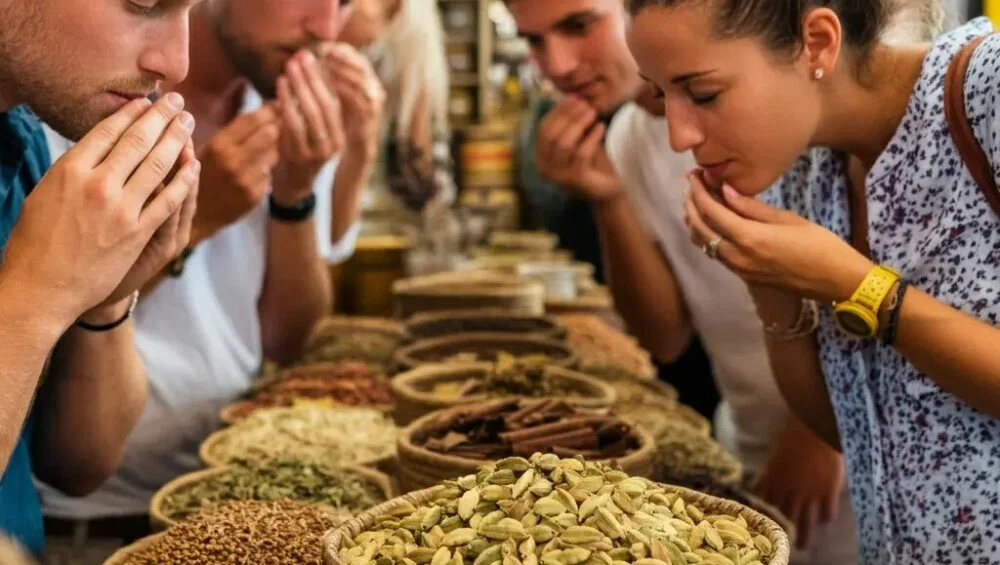
The true essence of a spice tour lies in its intimacy. This is not an experience you simply watch—it is one you feel.
You might be invited to snap a leaf and discover it smells like lemon, or taste a fruit you have never encountered before. Fresh turmeric stains your fingertips a golden hue, while vanilla pods reveal a fragrance far richer than anything found in packaged form.
There is a playful element too. Local guides often test your senses, asking you to guess spices while blindfolded or identify scents with your eyes closed. Laughter becomes part of the journey, breaking the boundary between visitor and host.
In these moments, the experience shifts from educational to deeply personal. The spices are no longer commodities—they become memories.
Culture Woven into Every Step
Beyond agriculture, spice tours are windows into the cultural fabric of Zanzibar. The Swahili way of life is inseparable from these plants. Spices flavor traditional dishes, enhance herbal remedies, and even play roles in rituals and daily routines.
You may learn how cloves are used not just in cooking but also as a natural remedy, or how coconut and spices blend into some of the island’s most beloved meals. Guides often share stories passed down through generations, connecting each plant to the people who depend on it.
Sometimes the experience ends with a simple but meaningful gesture—fresh fruit shared under the shade of trees, or handcrafted souvenirs made from palm leaves. These small touches carry the warmth of local hospitality that Zanzibar is known for.
Where These Tours Take Place
Most spice tours are conducted in rural areas just outside Stone Town, where fertile land supports diverse plantations. Regions like Kizimbani are especially popular, offering easy access while still feeling far removed from the bustle of town life.
Here, the air is heavier with moisture and fragrance, and the rhythm of life slows to match the pace of nature. It is the perfect setting for a tour that encourages curiosity and reflection.
How to Book a Zanzibar Spice Tour
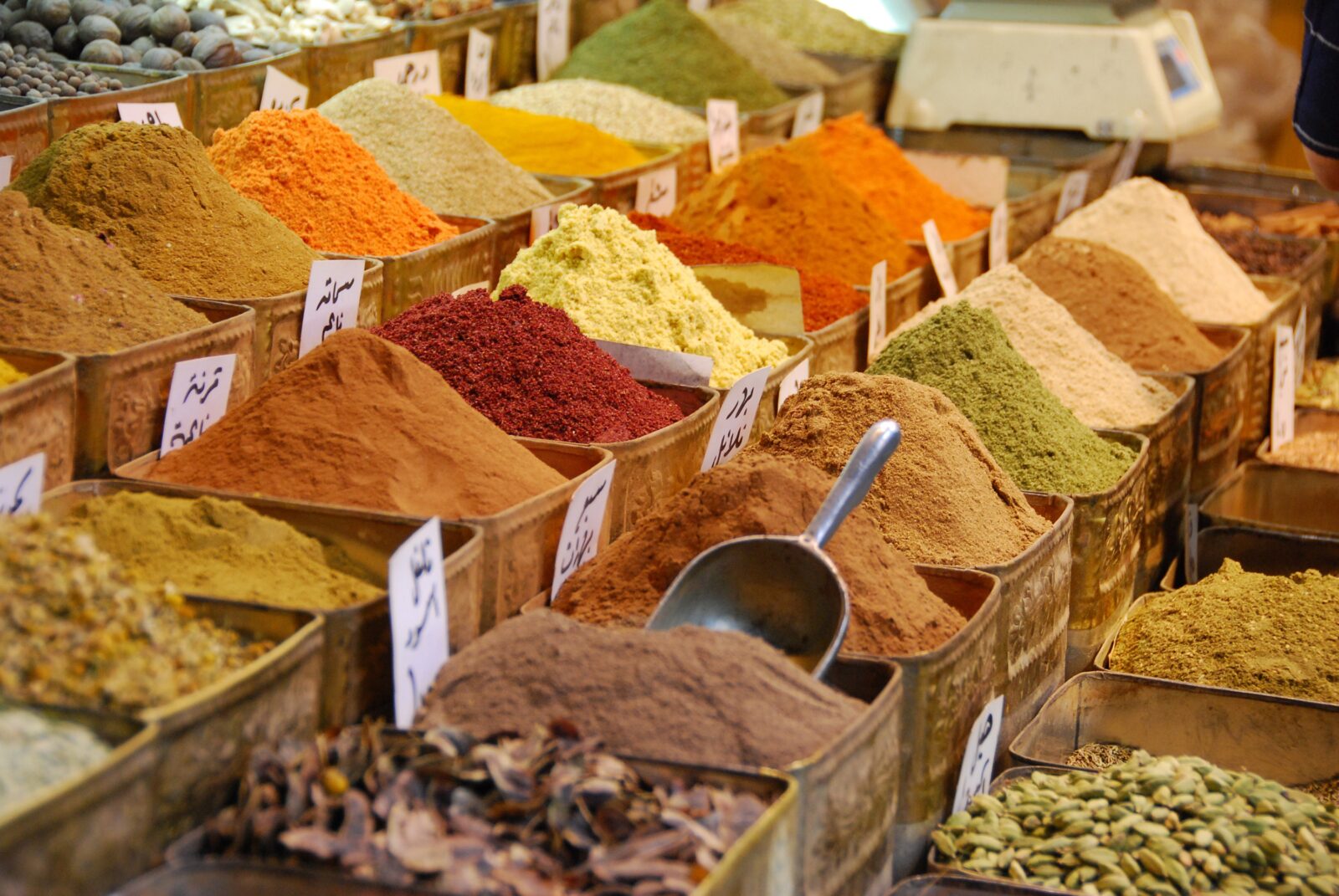
Arranging a spice tour is simple, and options are widely available. Many travelers book through hotels or guesthouses, which often partner with trusted local guides. This is one of the easiest ways to ensure transport and a well-organized experience.
For those who prefer flexibility, tours can also be arranged directly in town or through local operators. Private tours offer a more personalized pace, while group tours provide a social and budget-friendly alternative.
When booking, it is worth choosing operators who work closely with local communities. This not only enhances the authenticity of the experience but also ensures that tourism supports the farmers and families who maintain these plantations.
When to Visit for the Best Experience
Zanzibar’s tropical climate allows spice tours to run throughout the year, but the experience shifts with the seasons. The dry months from June to October offer comfortable conditions for walking, with less humidity and clearer skies.
During the rainy seasons, the landscape becomes even more vibrant. Leaves appear greener, fruits more abundant, and the farms take on a lush, almost dreamlike quality. While paths may be muddier, the visual reward is undeniable.
Morning visits are often ideal, when temperatures are cooler and the plantations feel fresh and alive with activity.
Why a Spice Tour Should Be on Your Itinerary
A spice tour is one of the few experiences that truly captures the essence of Zanzibar. It is not about ticking off landmarks or taking photographs—it is about connection.
Here, history is not locked in the past; it grows from the soil beneath your feet. Culture is not staged; it is lived and shared. And the simple act of tasting or smelling becomes a gateway into understanding an island that has influenced the world in quiet but profound ways.
For anyone visiting Zanzibar, a spice tour is more than an optional excursion. It is a journey into the heart of the island—one that stays with you long after the scents have faded.