
The Serengeti in the Short Rains: A Hidden Safari Secret
Visiting Serengeti National Park during the short rains is one of the most underrated safari experiences in East Africa. While most travelers focus on the dry season or peak Great Migration moments, the short rainy season quietly transforms the ecosystem into something more intimate, atmospheric, and ecologically dynamic. It is a period that experienced safari guides often refer to as the “green reset” of the Serengeti—when dust settles, grasses regenerate, and wildlife behavior subtly shifts across the landscape.
The short rains typically occur between November and early December, though exact timing can vary depending on regional weather systems. Unlike the long rains that bring heavier and more sustained downpours, the short rains are usually intermittent, with brief but frequent showers followed by clear skies. This pattern creates a unique balance between lush vegetation and still-usable safari conditions.
A Landscape Transformed by Rain
One of the most immediate changes during the short rains is visual. The dry, golden plains that dominate much of the year begin to shift into shades of green. Fresh grasses sprout rapidly, and dormant vegetation awakens across the savannah. This transformation is not just aesthetic; it fundamentally alters the behavior of herbivores and, by extension, predators.
The landscape becomes softer and more textured. Dust that normally hangs in the air during dry months is replaced by clean, rain-washed atmosphere. Horizons appear sharper, and light conditions become more dramatic, especially during early morning and late afternoon hours. Photographers often describe this period as one of the most visually rewarding times to capture the Serengeti due to the contrast between storm clouds, sunlight breaks, and vibrant vegetation.
Wildlife Movement and Subtle Migration Shifts
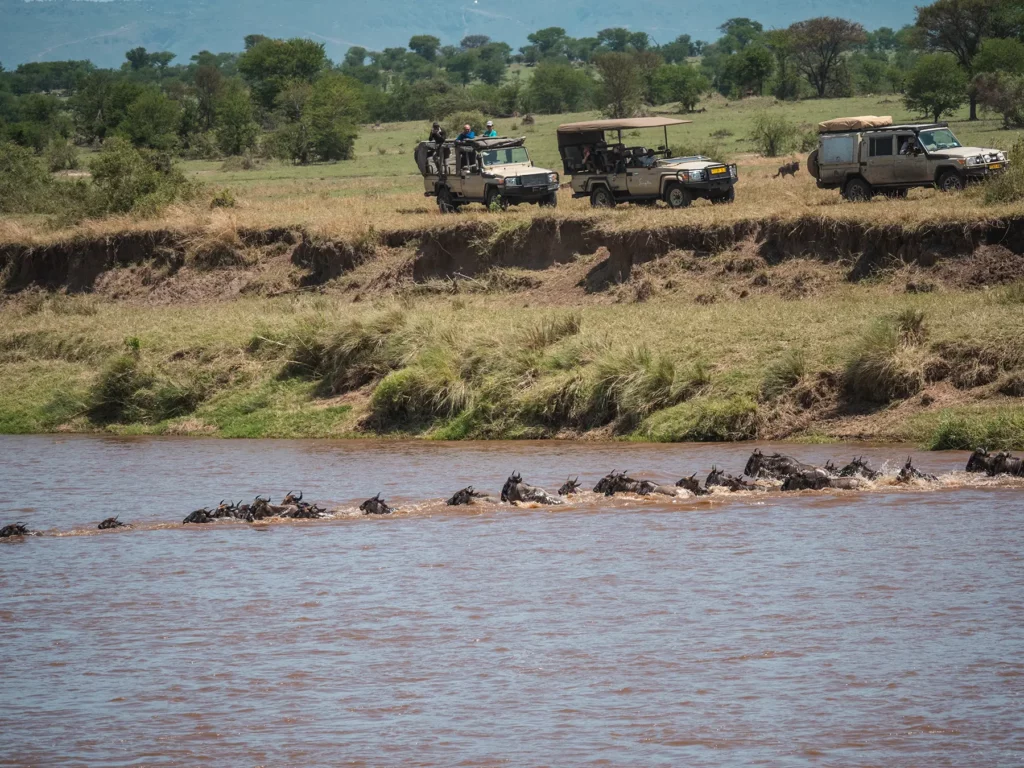
The short rains coincide with a transitional phase of the Great Migration. Wildebeest and zebra herds begin moving from the dry northern and western areas back toward the southern plains, following fresh grazing triggered by rainfall. This movement is less concentrated than the dramatic river crossings of the dry season, but it is highly strategic from an ecological perspective.
During this time, wildlife disperses more widely across the ecosystem. Unlike the dry season, where animals are often concentrated around limited water sources, the short rains allow for broader distribution. This creates a more natural, less predictable safari experience where sightings feel less staged and more organic.
Predators adjust accordingly. Lions and cheetahs take advantage of dispersed prey, while hyenas increase their range in search of opportunistic feeding. The abundance of newborn or juvenile herbivores later in the season also begins to shape predator-prey interactions, setting the stage for the calving period that follows in the southern plains.
Birdlife Explosion and Ecological Renewal
One of the most significant but often overlooked aspects of the short rains is the dramatic increase in bird activity. Migratory bird species arrive in large numbers, joining resident populations to create one of the richest birdwatching environments in Africa.
Wetland areas, temporary pools, and newly filled water channels attract flamingos, storks, herons, and a wide variety of raptors. The combination of rainfall and emerging vegetation creates ideal nesting and feeding conditions. Even for non-birdwatchers, the sheer volume and diversity of birdlife add a dynamic layer of movement and sound to the safari experience.
In ecological terms, the short rains also mark a period of regeneration. Soil nutrients are redistributed, plant life cycles restart, and insect populations surge, which in turn supports birds, small mammals, and larger predators. The entire ecosystem enters a phase of renewal that is less visible than migration drama but equally important for long-term ecological balance.
Predator Behavior in the Green Season
Predators behave differently during the short rains due to changes in visibility and prey distribution. The taller grasses and denser vegetation make stalking more strategic and require greater patience from predators like lions and leopards.
Lions often adjust by using thicker cover or waiting near known animal pathways. Leopards benefit from increased vegetation, which enhances their already strong ambush hunting style. Cheetahs, on the other hand, face more challenges in the greener landscape because their speed advantage is less effective when visibility is reduced.
Despite these challenges, predator activity remains strong. The increased availability of young and inexperienced prey later in the season supports continued hunting success, maintaining a stable predator population throughout this transitional period.
Safari Experience and Atmosphere
Traveling during the short rains offers a different emotional tone compared to peak safari seasons. Instead of dust, heat, and large crowds, visitors often encounter quieter parks, softer light, and a more contemplative atmosphere. Safari vehicles are fewer, and sightings can feel more private due to reduced tourist density.
The weather itself adds drama to the experience. Short rain showers may roll across the plains quickly, followed by bursts of sunlight that illuminate wet grasslands and create vivid color contrasts. Storm clouds often build in the distance, providing striking backdrops for photography and wildlife observation.
The overall feeling is one of freshness and renewal rather than intensity. For travelers seeking a more reflective, less crowded safari experience, this period can be particularly rewarding.
The Hidden Advantage: Lower Tourist Numbers
One of the most practical advantages of visiting during the short rains is reduced tourism pressure. Many travelers avoid this period due to misconceptions about heavy rain or poor wildlife viewing. In reality, the short rains rarely disrupt game drives significantly, and most rainfall occurs in short bursts rather than continuous downpours.
This results in fewer safari vehicles at popular sightings, more flexible lodge availability, and often lower accommodation rates. For travelers who prioritize space, quiet, and exclusivity over predictable migration spectacles, this season offers a strong value proposition.
Photography Opportunities in Changing Light
Photographers often consider the short rains one of the most creative periods in the Serengeti. The interplay between clouds, sunlight, and rain creates dynamic lighting conditions that are rarely available in the dry season.
Reflections in temporary water pools, mist rising after rainfall, and vibrant green backdrops provide unique compositional opportunities. Wildlife also appears cleaner and more vibrant due to the lack of dust accumulation on fur and vegetation.
However, this period requires flexibility. Light conditions can change rapidly, and successful photography depends on adapting to shifting weather patterns rather than relying on consistent sunlight.
Relationship to the Great Migration Cycle
The short rains play a crucial role in the broader Great Migration system. They trigger the return of herds toward the southern plains, where calving will occur in the coming months. This movement is not random but directly tied to the regeneration of grazing areas.
As grasses begin to grow in the south, wildebeest and zebra instinctively move toward these nutrient-rich zones. This sets the stage for one of the most important ecological events of the year: the calving season, which typically follows between January and March.
In this sense, the short rains are not just a separate season but a preparatory phase in the annual migration cycle.
Is the Short Rains Season Worth It?
Whether the short rains are ideal for a safari depends on expectations. Travelers seeking dramatic river crossings or large, tightly packed herds may prefer the dry season. However, those looking for atmosphere, ecological depth, fewer crowds, and visually rich landscapes often find this period unexpectedly rewarding.
The key advantage lies in balance. Wildlife is still abundant, landscapes are at their most vibrant, and tourist pressure is significantly lower than peak months. It is a season that rewards patience and curiosity rather than checklist-style wildlife viewing.
Final Thoughts
The short rains in the Serengeti reveal a quieter but deeply important side of the ecosystem. It is a period of renewal, redistribution, and subtle ecological transition. While it may lack the dramatic spectacle of river crossings or peak migration density, it offers something equally valuable: authenticity, atmosphere, and space.
For travelers willing to embrace unpredictability and shifting conditions, this season transforms the Serengeti into a more intimate and visually striking environment. It is not the most famous time to visit, but it may be one of the most rewarding for those who understand its rhythm.