
Samburu National Reserve: Kenya’s Unique Northern Wilderness
Samburu National Reserve is one of Kenya’s most distinctive safari destinations, offering a rugged, semi-arid landscape and a rare collection of wildlife species not commonly found elsewhere in the country. Located along the banks of the Ewaso Ng’iro River in northern Kenya, Samburu delivers a safari experience that feels remote, raw, and culturally rich.
Unlike the lush plains of southern Kenya, Samburu’s beauty lies in its stark contrasts—dusty red earth, acacia-dotted terrain, rocky outcrops, and a life-giving river that attracts wildlife year-round. For travelers seeking something beyond the classic Maasai Mara safari, Samburu provides a compelling and less crowded alternative.
Geography and Landscape
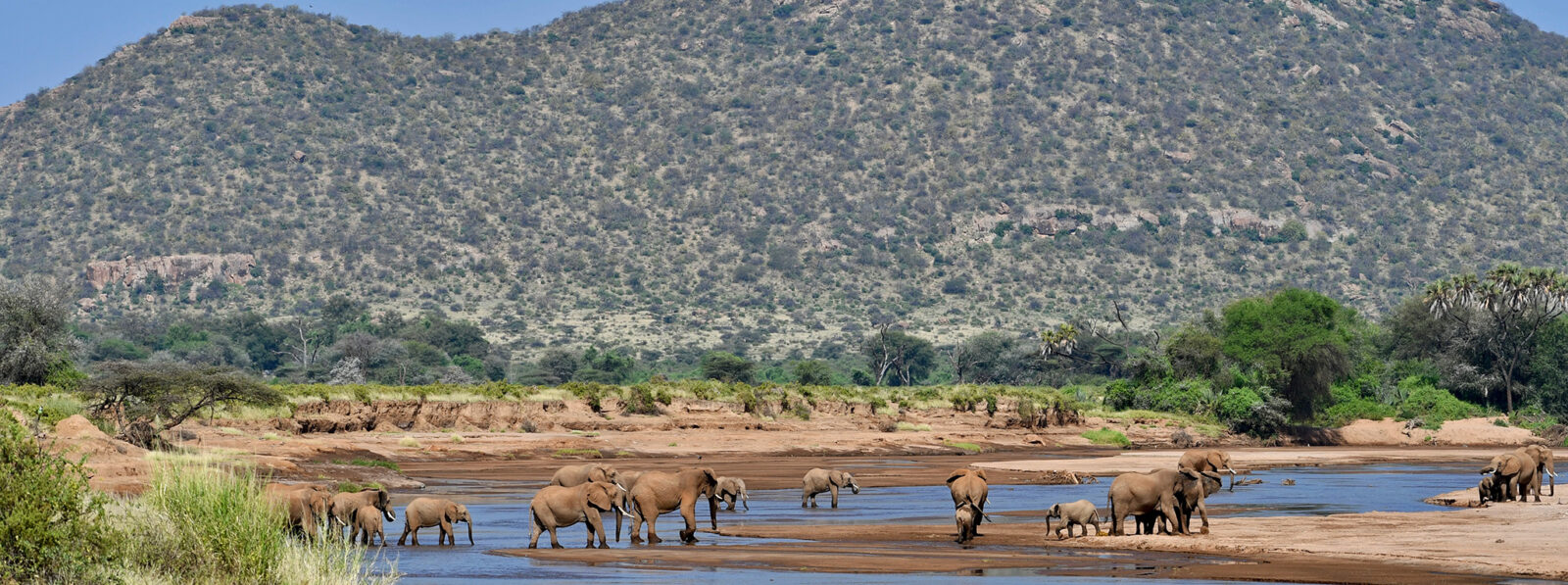
Samburu’s landscape is defined by aridity and resilience. The reserve sits in a semi-desert environment where temperatures can be high and rainfall is limited. This creates a dramatic setting where survival depends on access to water, making the Ewaso Ng’iro River the central lifeline of the ecosystem.
The terrain features open savannah, scrubland, and riverine forest, with distant views of rugged hills and mountains. The light in Samburu is particularly striking—harsh midday sun softens into golden hues at sunrise and sunset, making it a favorite for photographers.
This environment shapes not only the scenery but also the behavior and distribution of wildlife.
The Samburu Special Five
What truly sets Samburu apart is its unique wildlife, often referred to as the “Samburu Special Five.” These species are adapted to the dry northern conditions and are rarely seen in southern parks:
- Grevy’s zebra
- Somali ostrich
- Reticulated giraffe
- Beisa oryx
- Gerenuk (the long-necked antelope that stands on its hind legs to feed)
These animals give Samburu a distinct ecological identity, making it a must-visit for wildlife enthusiasts looking to expand their safari checklist.
Predator and Big Game Viewing
Samburu also offers excellent predator sightings, particularly for those willing to spend time exploring. Lions, leopards, and cheetahs are all present, with leopards being especially associated with the riverine areas.
Elephants are abundant and often seen moving along the riverbanks, sometimes in large herds. Buffaloes and various antelope species add to the diversity, while crocodiles and hippos inhabit the Ewaso Ng’iro River.
Wildlife viewing in Samburu tends to be more relaxed and less crowded compared to more famous reserves, allowing for longer and more intimate encounters.
Birdlife and Biodiversity
Samburu is a paradise for birdwatchers, with over 450 recorded bird species. The mix of riverine and arid habitats supports a wide variety of birds, including kingfishers, hornbills, eagles, and vultures.
The Somali ostrich, one of the Special Five, is a highlight, easily distinguished by its blue legs and neck.
Cultural Experience with the Samburu People
A visit to Samburu is not complete without engaging with the local Samburu community. Closely related to the Maasai, the Samburu people maintain a traditional pastoralist lifestyle centered around cattle, goats, and camels.
Cultural visits offer insight into their customs, dress, and way of life. Brightly colored beads, traditional dances, and storytelling provide a meaningful human dimension to the safari experience.
Unlike more commercialized cultural encounters, Samburu interactions often feel more authentic and less staged.
Best Time to Visit Samburu
Samburu is a year-round destination, but certain seasons offer advantages.
- Dry seasons (June to October, December to March): Best for wildlife viewing, as animals gather around the river
- Wet seasons (April to May, November): Greener landscapes, fewer visitors, and good birdwatching
Because of its arid climate, Samburu remains accessible even during rainy periods, unlike some southern parks.
Accommodation Options
Samburu offers a range of accommodation options, from luxury lodges to mid-range camps. Many are located along the river, providing excellent views and frequent wildlife sightings.
Lodges are designed to blend with the environment, often using natural materials and open layouts that maximize airflow and views. The sense of remoteness enhances the overall experience.
Accessibility and Getting There
Reaching Samburu requires a bit more effort than visiting southern Kenya parks, but it remains relatively accessible.
- By air: Scheduled flights from Nairobi to nearby airstrips
- By road: A scenic drive of approximately 5–6 hours from Nairobi
The journey itself is part of the experience, transitioning from urban landscapes to rural and semi-arid regions.
Why Choose Samburu Over Other Parks
Samburu stands out for its uniqueness rather than its scale. It offers:
- Rare wildlife species not found in most other parks
- Fewer crowds and a more exclusive feel
- Strong cultural interactions
- Dramatic, rugged landscapes
- Year-round accessibility
It is ideal for travelers who have already visited more traditional safari destinations or those looking for a more off-the-beaten-path experience.
Combining Samburu with Other Destinations
Samburu works exceptionally well as part of a broader Kenya safari itinerary. It is often combined with:
- Maasai Mara National Reserve for contrast between north and south
- Lake Nakuru National Park for birdlife and rhino sightings
- Aberdare National Park for forest and mountain landscapes
This combination creates a diverse and comprehensive safari experience.
Final Thoughts on Samburu National Reserve
Samburu National Reserve is not just another safari destination—it is a different kind of wilderness. It challenges expectations, offering a landscape and wildlife experience that feels distinct from the more famous parks of East Africa.
For those willing to venture north, Samburu rewards with authenticity, exclusivity, and a deeper understanding of Kenya’s ecological and cultural diversity.
It may not have the global fame of the Maasai Mara, but in many ways, that is precisely its greatest strength.