
Ngorongoro Crater: Why It’s Called the “Garden of Eden”
Few places in Africa capture the imagination quite like the Ngorongoro Crater. Often described as the “Garden of Eden,” this vast volcanic caldera offers one of the most concentrated and visually striking wildlife experiences anywhere on the continent. The nickname is not just poetic—it reflects a rare combination of geography, biodiversity, and natural balance that feels almost untouched by time.
Located within the Ngorongoro Conservation Area, the crater is a UNESCO World Heritage Site and part of northern Tanzania’s famous safari circuit. What makes it so extraordinary is not just the wildlife it holds, but how that wildlife exists within a self-contained ecosystem that functions with remarkable stability.
A Natural Amphitheater Formed by Fire
The origin of the Ngorongoro Crater dates back millions of years when a massive volcano, believed to have been taller than Mount Kilimanjaro, erupted and collapsed inward. What remains today is the largest intact and unfilled volcanic caldera in the world.
The crater measures roughly 19 kilometers across and has steep walls rising about 600 meters from the floor. This natural enclosure creates the feeling of a vast amphitheater where wildlife lives within clearly defined boundaries.
Once you descend into the crater, the outside world disappears. The high walls block wind, reduce migration, and create a microclimate that supports a wide variety of habitats within a relatively small area. This geological isolation is one of the key reasons why the crater is often compared to a “Garden of Eden.”
A Self-Contained Ecosystem
Unlike many other safari destinations where animals move across vast open landscapes, the Ngorongoro Crater functions as a largely self-contained ecosystem. Water sources, grazing land, and shelter are all available within the crater floor, allowing a permanent population of wildlife to thrive year-round.
This stability creates one of the highest densities of large mammals in Africa. Lions, elephants, buffalo, zebras, wildebeest, and hyenas all coexist within the crater. Because animals do not need to migrate far for food or water, sightings are frequent and often dramatic.
The result is a landscape where predator-prey interactions unfold daily in a relatively compact area, offering visitors an unusually high probability of witnessing real wildlife behavior.
Exceptional Wildlife Density
The crater is home to over 25,000 large animals, making it one of the most wildlife-rich areas in Africa. It is also one of the best places to see the “Big Five,” including the endangered black rhino.
The abundance of prey species such as wildebeest and zebra supports a strong predator population. Lions in the crater are particularly well-known, often seen resting in open grasslands or hunting in coordinated groups.
Hyenas are also highly active here, competing with lions for territory and food. The presence of multiple apex predators in such a confined space adds to the sense of intensity that defines the Ngorongoro experience.
This extraordinary concentration of life is one of the main reasons the crater feels like a living, breathing “Eden.”
Diverse Habitats Within a Single Crater
Another reason for the “Garden of Eden” comparison is the diversity of habitats found within the crater floor. Despite its relatively small size, the crater contains grasslands, swamps, forests, and a central soda lake.
Each habitat supports different species. Open grasslands are home to grazing animals, while swampy areas attract hippos and water birds. The forests along the crater walls provide shelter for elephants and monkeys.
At the center lies Lake Magadi, a shallow alkaline lake that often attracts flamingos, adding a striking visual element to the landscape.
This ecological diversity allows a wide range of species to coexist in close proximity, enhancing the sense of a perfectly balanced natural system.
A Unique Microclimate
The crater’s geography creates a unique microclimate that contributes to its fertility. The high walls trap moisture and influence temperature patterns, resulting in relatively stable conditions throughout the year.
Rainfall within the crater supports lush grass growth, which in turn sustains large herbivore populations. Unlike the surrounding plains, which may experience more extreme seasonal variation, the crater maintains a consistent supply of food and water.
This reliability is a key factor in maintaining the permanent wildlife population that defines the Ngorongoro ecosystem.
Human Presence and Cultural Harmony
While the crater itself is primarily reserved for wildlife, the surrounding Ngorongoro Conservation Area is unique in that it allows human habitation alongside wildlife conservation.
The Maasai people have lived in this region for generations, practicing traditional pastoralism while coexisting with wildlife. Their presence adds a cultural dimension to the landscape that is rarely found in national parks.
This coexistence between humans, livestock, and wild animals reinforces the idea of balance that underpins the “Garden of Eden” comparison.
Why the Name Truly Fits
The phrase “Garden of Eden” suggests abundance, harmony, and a sense of untouched natural beauty. The Ngorongoro Crater embodies all of these qualities.
Its enclosed geography creates a world where wildlife thrives in high density. And its dramatic scenery—from steep crater walls to open plains and shimmering lakes—adds a visual dimension that feels almost surreal.
Few places in Africa offer such a complete and concentrated safari experience.
The Safari Experience Inside the Crater
A typical visit begins with an early morning descent from the crater rim. As vehicles wind down the steep road, the full scale of the crater becomes visible, often covered in morning mist.
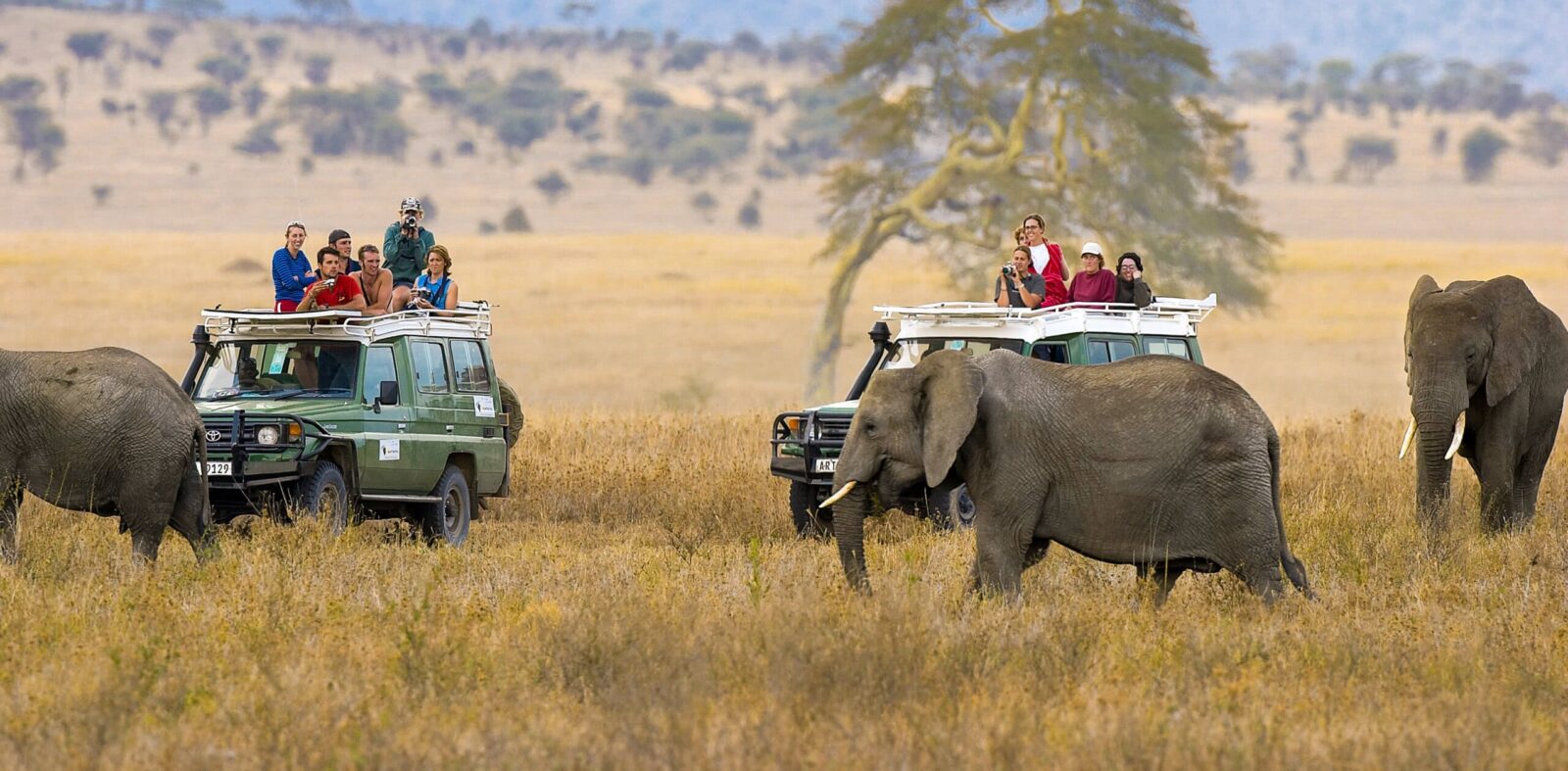
Game drives on the crater floor are rich and varied. It is common to see multiple species within a short distance, and predator sightings are frequent due to the high density of animals.
Because the area is relatively compact, a single day in the crater can provide a comprehensive safari experience that might take several days elsewhere.
This efficiency, combined with the stunning scenery, makes the crater one of the highlights of any Tanzanian safari.
Final Thoughts
The Ngorongoro Crater is called the “Garden of Eden” not just because of its beauty, but because of its ecological perfection. It is a place where geography, climate, and wildlife come together in a way that feels almost designed.
For travelers, it offers a rare opportunity to witness a complete ecosystem functioning in harmony within a single, breathtaking landscape. It is not just a safari destination—it is a natural wonder that lives up to its legendary name.