
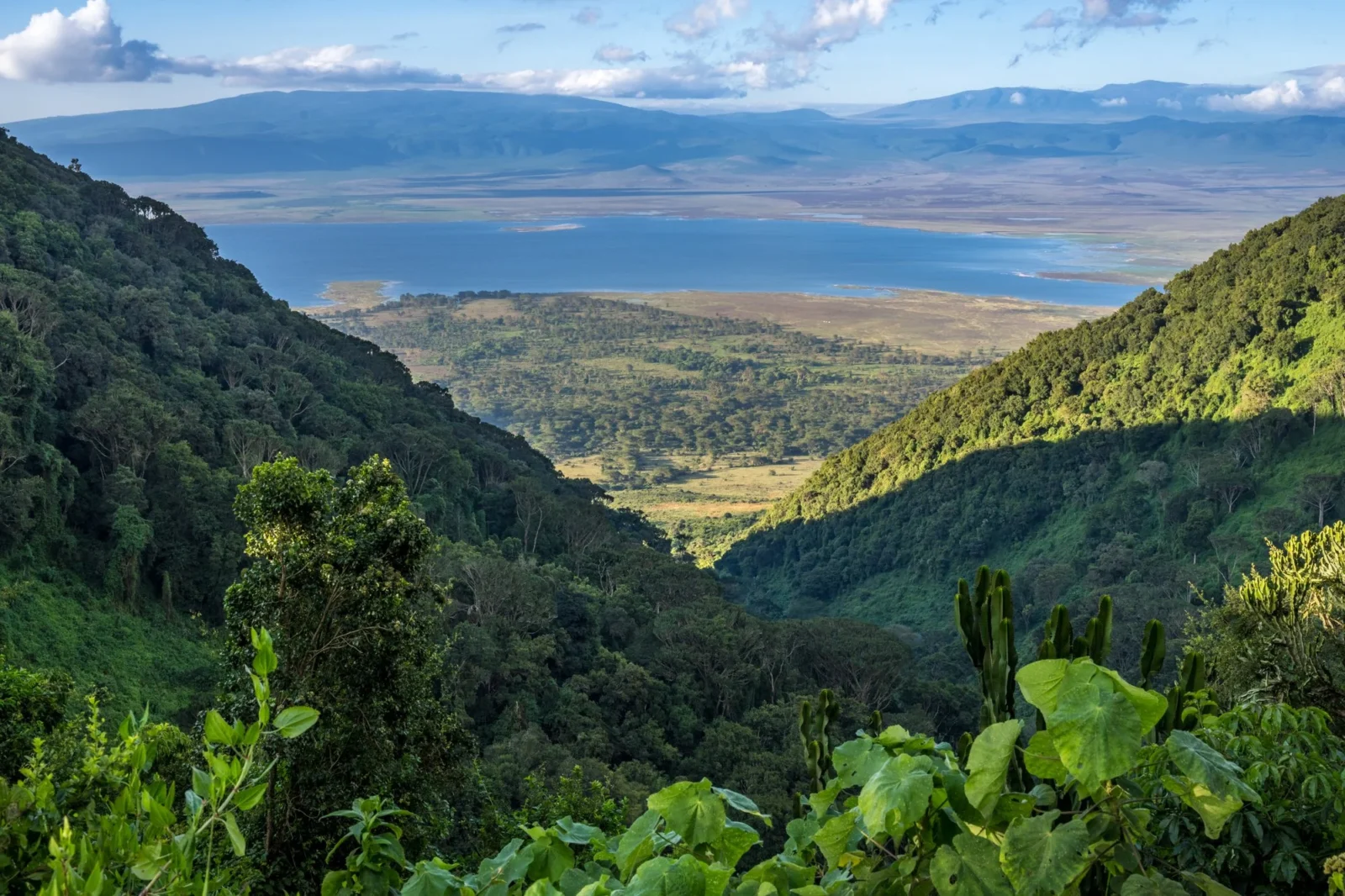
Ngorongoro Conservation Area: History, Wildlife and Access
The Ngorongoro Conservation Area is one of Africa’s most remarkable protected landscapes, not only for its extraordinary wildlife but also for its unique model of conservation that allows humans and animals to coexist. Located in northern Tanzania, this vast highland region forms part of the greater Serengeti ecosystem and is home to one of the world’s most famous natural wonders, the Ngorongoro Crater.
What sets the Ngorongoro Conservation Area apart is its layered identity. It is not just a wildlife reserve, but also a cultural landscape, an archaeological treasure, and a living ecosystem where traditional pastoralist communities continue to thrive alongside wild animals. Understanding its history, wildlife, and access logistics reveals why it remains one of the most important safari destinations in Africa.
The Historical Foundations of Ngorongoro
The history of the Ngorongoro Conservation Area stretches back millions of years, beginning with powerful volcanic activity that shaped the region’s dramatic terrain. The formation of the Ngorongoro Crater itself resulted from the collapse of a massive volcano, creating a natural enclosure that would later become one of the richest wildlife habitats on Earth.
Human history in the area is equally significant. Nearby sites such as Olduvai Gorge have produced some of the most important archaeological discoveries related to early human evolution. Fossils found in this region have provided insight into early hominids and their development, making Ngorongoro not just a wildlife destination but also a key location in understanding human origins.
In more recent centuries, the region became home to the Maasai people, who migrated into the area and established a pastoral lifestyle centered around cattle herding. Their presence continues today and is an essential part of the conservation area’s identity.
The Ngorongoro Conservation Area was officially established in 1959, separating it from the larger Serengeti system. Unlike national parks that prioritize wildlife protection exclusively, this conservation area was designed to allow human habitation and traditional land use alongside conservation efforts.
A Unique Conservation Model
What makes the Ngorongoro Conservation Area globally unique is its multiple land-use approach. It is one of the few protected areas in Africa where wildlife conservation and human settlement are integrated into a single system.
The Maasai communities living within the conservation area continue to graze their cattle across designated zones. This coexistence has shaped the landscape for generations, maintaining open grasslands that benefit both livestock and wild herbivores.
This model is not without challenges, as balancing conservation goals with human needs requires careful management. However, it represents an important example of how traditional lifestyles and modern conservation can function together.
The area’s recognition as a UNESCO World Heritage Site reflects both its ecological importance and its cultural value.
Wildlife Diversity and Ecosystems
The Ngorongoro Conservation Area supports an extraordinary range of wildlife across its varied landscapes. From highland forests to open plains and crater ecosystems, the diversity of habitats allows many species to thrive.
The most famous wildlife concentration is found within the Ngorongoro Crater, where thousands of animals live in a relatively enclosed environment. Lions, elephants, buffalo, zebras, wildebeest, and hyenas are commonly seen, along with one of the best chances in Africa to spot the endangered black rhino.
Beyond the crater, the conservation area extends into vast plains that connect with the Serengeti ecosystem. These plains play a role in the Great Migration, as herds of wildebeest and zebras move through the region in search of fresh grazing.
The highland forests and volcanic slopes support additional species, including primates, birdlife, and forest-adapted mammals. This ecological diversity ensures that the area offers more than just a single safari experience—it is a multi-layered wildlife destination.
The Role of the Ngorongoro Crater
The Ngorongoro Crater is the centerpiece of the conservation area and one of the most iconic safari locations in the world. Its enclosed structure creates a natural wildlife haven where animals live year-round with access to water, grazing, and shelter.
Because of its relatively small size compared to open savannah ecosystems, the crater offers one of the highest concentrations of wildlife in Africa. Visitors often experience multiple sightings within a single game drive, making it a highlight of any Tanzanian safari itinerary.
However, the conservation area is much larger than the crater alone, and exploring beyond it reveals quieter landscapes with fewer vehicles and a more expansive sense of wilderness.
Cultural Landscape and Maasai Heritage
The presence of the Maasai people is a defining feature of the Ngorongoro Conservation Area. Their traditional way of life, centered around cattle and seasonal movement, has shaped the environment for centuries.
Visitors often encounter Maasai villages, known as bomas, where cultural visits can provide insight into daily life, traditions, and the relationship between people and land.
This cultural dimension adds depth to the safari experience, transforming it from a purely wildlife-focused journey into a broader exploration of human history and coexistence.
Access and Travel Logistics
Accessing the Ngorongoro Conservation Area is relatively straightforward compared to more remote safari destinations in Africa.
Most travelers begin their journey in Arusha, which serves as the main gateway to northern Tanzania’s safari circuit. From Arusha, the conservation area can be reached by road in approximately three to four hours.
The drive itself is scenic, passing through rural landscapes, small towns, and highland terrain before reaching the crater rim. For those seeking a faster option, charter flights are available to nearby airstrips, reducing travel time significantly.
Entry into the conservation area requires park fees, which contribute to conservation efforts and infrastructure maintenance.
Accommodation Options
Accommodation within and around the Ngorongoro Conservation Area ranges from luxury lodges on the crater rim to more modest camps and lodges in surrounding areas.
Crater rim lodges offer some of the most spectacular views in Africa, overlooking the entire caldera from elevated positions. These properties provide easy access for early morning descents into the crater.
More budget-friendly options are available further from the rim, offering a wider range of price points while still providing access to the conservation area.
Advance booking is recommended, especially during peak travel seasons, as accommodation near the crater is limited.
Best Time to Visit
The Ngorongoro Conservation Area can be visited year-round, but conditions vary depending on rainfall patterns.
The dry season generally offers easier road conditions and clearer wildlife viewing, while the wet season brings lush landscapes and fewer visitors. Wildlife in the crater remains relatively stable throughout the year due to its self-contained ecosystem.
This year-round accessibility makes Ngorongoro one of the most reliable safari destinations in Africa.
Final Thoughts
The Ngorongoro Conservation Area stands out not just for its wildlife but for its complexity. It is a place where geology, ecology, and human history intersect in a way that is rarely seen elsewhere.
From the dramatic beauty of the Ngorongoro Crater to the cultural richness of Maasai communities and the broader landscapes that connect to the Serengeti, the conservation area offers a complete and layered safari experience.
For travelers seeking more than just wildlife viewing, Ngorongoro provides context, depth, and a deeper understanding of how people and nature can coexist within one of Africa’s most iconic environments.