
Lake Manyara National Park: The Tree-Climbing Lions of Tanzania
Tucked between the Great Rift Valley escarpment and a shimmering alkaline lake lies one of Tanzania’s most compact yet diverse safari destinations, Lake Manyara National Park. Often overshadowed by its famous neighbors like the Serengeti and Ngorongoro, this park holds a unique claim to fame—its rare and fascinating tree-climbing lions.
For travelers exploring northern Tanzania, Lake Manyara offers a refreshing contrast. It is smaller, more intimate, and ecologically diverse, making it a perfect introduction to safari life or a rewarding stop between larger parks. But it is the unusual behavior of its lions that continues to capture global attention.
A Landscape of Surprising Diversity
One of the defining features of Lake Manyara National Park is its incredible variety of habitats within a relatively small area. The park stretches from dense groundwater forests near the entrance to open floodplains, acacia woodlands, and the expansive lake itself.
This diversity creates a layered safari experience. Within a single game drive, you may pass through shaded forest filled with monkeys, emerge into open plains dotted with giraffes, and then reach the lakeshore where flamingos gather in seasonal numbers.
The dramatic backdrop of the Rift Valley escarpment adds to the scenery, rising steeply along the western boundary of the park and creating a sense of enclosure and depth.
The Mystery of Tree-Climbing Lions
The most famous residents of Lake Manyara National Park are its tree-climbing lions. Unlike typical lions that rest on the ground, these individuals have developed the unusual habit of lounging in the branches of acacia trees.
Seeing a full-grown lion draped across a tree limb is both unexpected and unforgettable. It challenges the typical image of lions as purely ground-based predators and adds an element of surprise to every game drive.
The reasons behind this behavior are still debated. Some researchers suggest that climbing helps lions escape heat and biting insects on the ground. Others believe it provides a vantage point for spotting prey or simply a comfortable resting position.
Whatever the reason, the behavior is relatively rare in Africa, making Lake Manyara one of the best places to witness it.
Wildlife Beyond the Lions
While tree-climbing lions are the headline attraction, Lake Manyara National Park supports a wide range of wildlife.
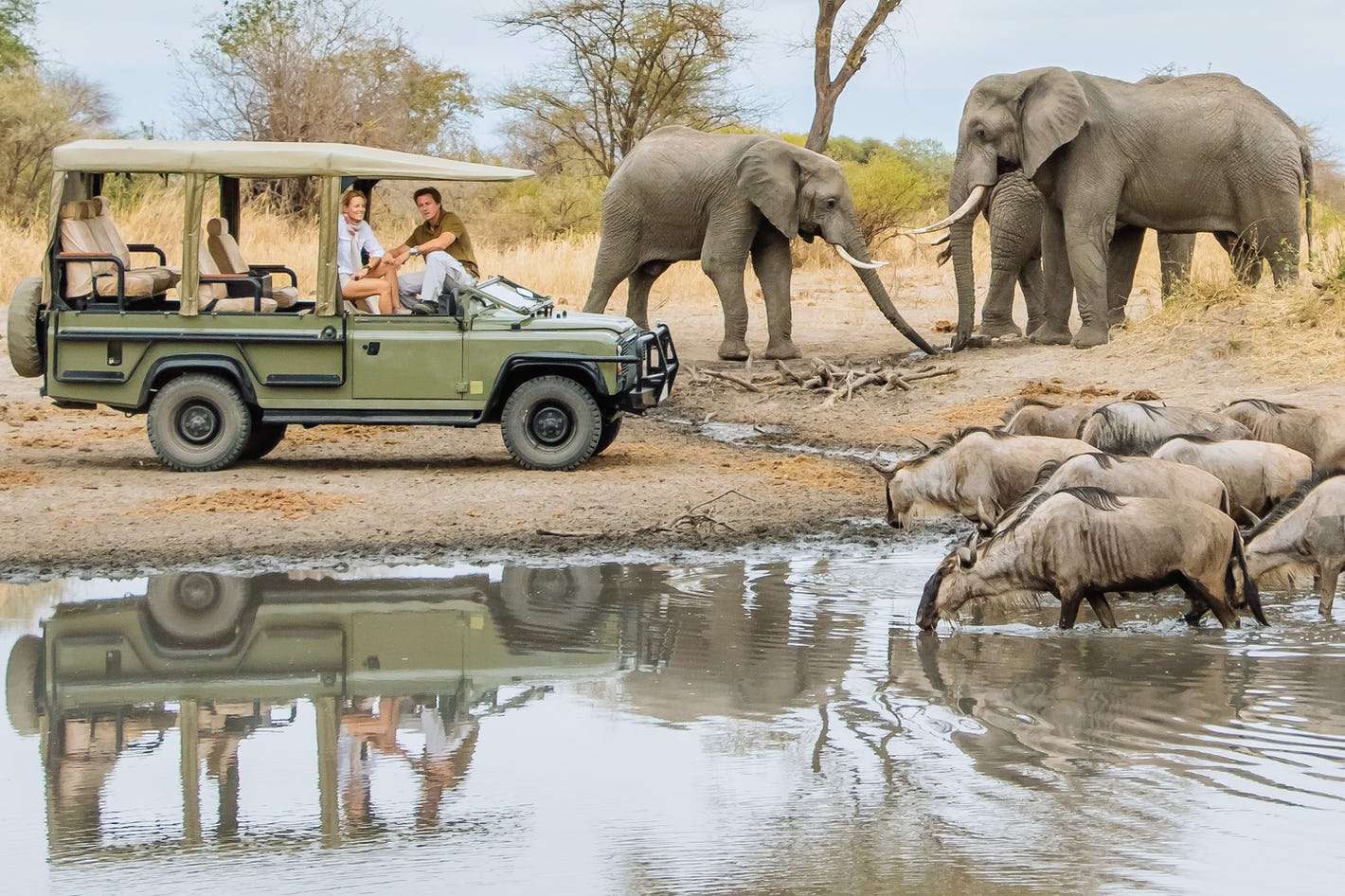
Elephants are among the most commonly seen animals, often moving through forested areas in relaxed family groups. The park is known for its healthy elephant population, and sightings can be both close and frequent.
Giraffes, zebras, and buffalo roam the open areas, while hippos gather in pools and along the lake’s edge. The park is also home to large troops of baboons, which are often encountered near the entrance and along forest roads.
Leopards are present but elusive, preferring dense vegetation and moving mostly at night. Their presence adds to the park’s predator diversity, even if sightings are less common.
A Birdwatcher’s Paradise
Lake Manyara is one of Tanzania’s top birding destinations. The alkaline waters of the lake attract large flocks of flamingos during certain times of the year, creating a striking pink fringe along the shoreline.
In addition to flamingos, the park hosts hundreds of bird species, including pelicans, storks, herons, and birds of prey. The combination of forest, wetland, and open grassland habitats supports an exceptionally diverse avian population.
Even for visitors who are not dedicated birdwatchers, the sheer variety of birdlife adds color and movement to the safari experience.
The Role of the Lake
The lake itself is a defining feature of Lake Manyara National Park. It expands and contracts with seasonal rainfall, sometimes covering a large portion of the park.
When water levels are high, the lake attracts vast numbers of waterbirds and creates a reflective landscape that enhances the park’s visual appeal. During drier periods, exposed lakebeds can attract grazing animals and offer different viewing opportunities.
This seasonal variation ensures that no two visits to the park are exactly the same.
A More Intimate Safari Experience
Compared to larger parks like the Serengeti, Lake Manyara National Park offers a more compact and accessible safari experience.
Game drives are shorter, wildlife encounters often feel closer, and the variety of habitats keeps the experience dynamic. This makes it particularly appealing for travelers with limited time or those looking for a less crowded alternative.
Because of its size, the park can be explored in a single day, though spending more time allows for a deeper appreciation of its diversity.
Best Time to Visit
Lake Manyara can be visited year-round, but the experience varies with the seasons.
The dry season typically offers easier wildlife viewing as animals concentrate around water sources and vegetation is less dense. The wet season, on the other hand, transforms the park into a lush, green landscape with abundant birdlife and dramatic scenery.
Flamingo numbers fluctuate depending on water conditions, so sightings can vary. However, the park’s overall biodiversity ensures rewarding experiences regardless of timing.
Access and Location
Lake Manyara National Park is easily accessible from Arusha, making it a convenient starting point for northern Tanzania safaris.
The drive takes approximately two hours, passing through rural landscapes and the town of Mto wa Mbu, which is known for its cultural diversity and local markets.
The park is often included in itineraries that also visit the Ngorongoro Crater and Serengeti, forming part of the classic northern safari circuit.
Why It’s Worth Visiting
Lake Manyara may not have the vast scale of the Serengeti or the dramatic enclosure of Ngorongoro, but it offers something equally valuable—variety and uniqueness.
The chance to see lions resting in trees, combined with diverse habitats and abundant wildlife, creates a safari experience that feels different from anywhere else in Tanzania.
It is a place where unexpected moments define the journey, whether it is spotting a lion above you in a tree or watching elephants move quietly through the forest.
Final Thoughts
Lake Manyara National Park proves that size is not the defining factor in a great safari destination. Its richness lies in its diversity, its unique wildlife behavior, and its ability to surprise.
For travelers seeking something distinctive within Tanzania’s safari circuit, the park offers a memorable and rewarding experience—one where lions climb trees, landscapes shift within minutes, and every game drive brings something new.