
Kilimanjaro Packing List: What to Bring and What to Leave Behind
Packing for a climb on Mount Kilimanjaro is one of the most critical factors determining your success, comfort, and safety on Africa’s highest peak, standing at 5,895 meters above sea level. Unlike typical hikes, Kilimanjaro takes you through multiple climate zones—from humid rainforest to alpine desert and finally to arctic summit conditions—often within just a few days.
A well-structured packing strategy ensures you are prepared for rapid weather changes, extreme cold, and long trekking days, while avoiding unnecessary weight that can slow you down or increase fatigue. The goal is not to carry more, but to carry smarter, focusing on layering systems, essential gear, and high-performance clothing.
A Detailed Study of the Kilimanjaro Packing Strategy
Understanding Kilimanjaro’s Climate Zones and Layering System
The key to packing for Kilimanjaro lies in mastering the layering system, which allows you to adjust clothing as temperatures fluctuate dramatically throughout the climb. Starting in warm, humid forest conditions, you may be hiking in light clothing, but by summit night, temperatures can drop to well below freezing.
A proper layering system includes a moisture-wicking base layer, an insulating mid-layer, and a protective outer shell, each serving a distinct function. This approach ensures that you remain dry, warm, and protected from wind and precipitation without overheating during active trekking.
Ignoring layering often leads to discomfort or even altitude-related complications, as improper temperature regulation can weaken your body during an already physically demanding climb.
Essential Clothing for Comfort and Survival
Clothing is the backbone of your Kilimanjaro packing list, and every item must serve a functional purpose, especially in terms of insulation, breathability, and durability. Thermal base layers are essential for cold conditions, while lightweight trekking shirts and pants work best for lower altitudes.
A high-quality insulated jacket, preferably down or synthetic, becomes crucial at higher elevations, particularly during summit attempts where temperatures can become extreme. Waterproof jackets and pants are equally important, as sudden rain or snow is common on the mountain.
Accessories such as gloves, hats, and neck gaiters are often underestimated but play a major role in heat retention, especially during early morning or nighttime climbs when exposure is at its highest.
Footwear: The Most Important Investment
Your choice of footwear can make or break your Kilimanjaro experience, as you will be trekking for multiple days across varying terrain. Well-broken-in hiking boots with strong ankle support and good grip are essential for both comfort and safety.
Layered sock systems help prevent blisters and regulate temperature, especially when combined with moisture-wicking materials. Gaiters can also be useful for keeping dust, mud, or snow out of your boots.
New or poorly fitted boots are one of the most common causes of failed climbs, making it essential to test and break in your footwear well before the expedition begins.
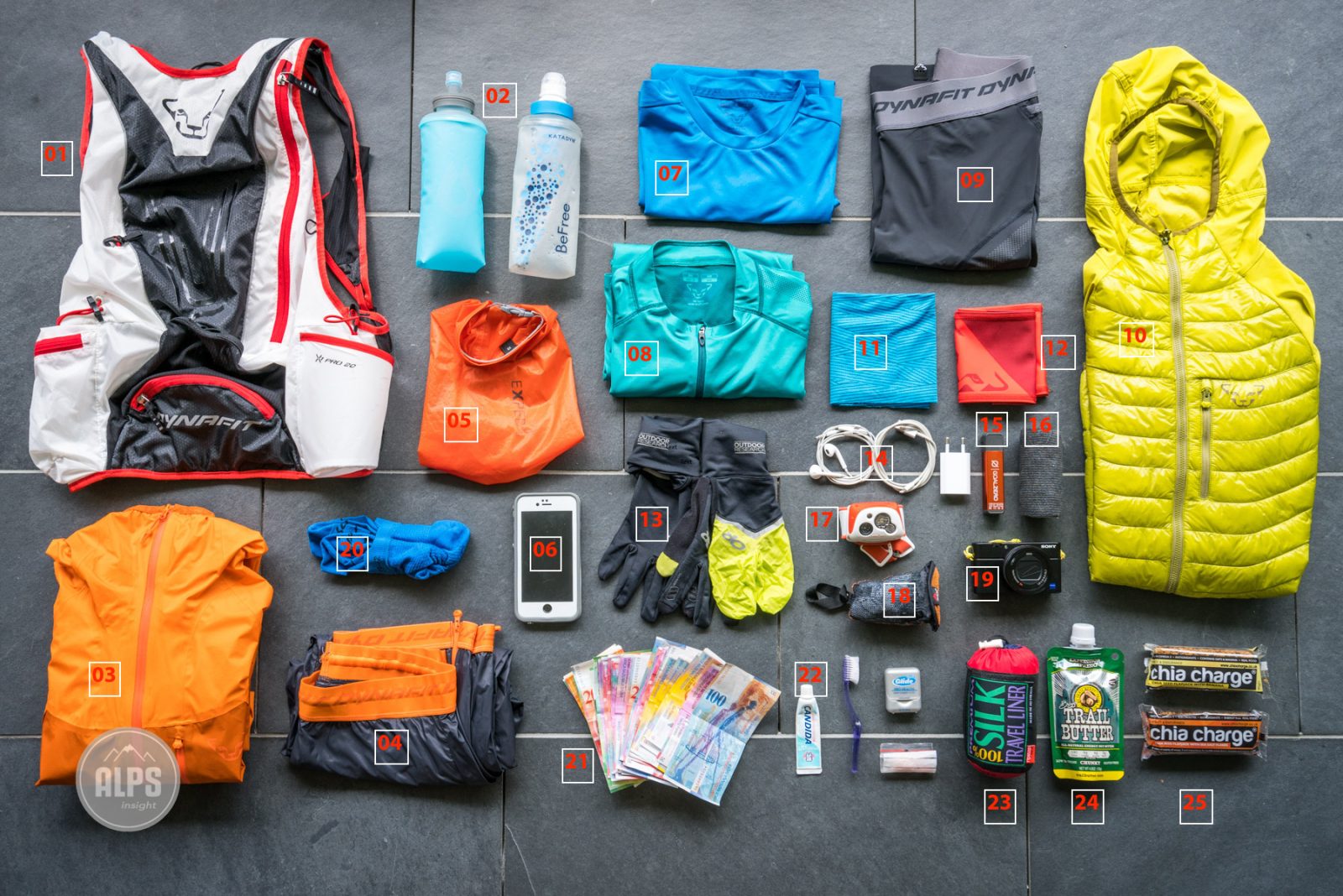
Sleeping Gear and Personal Equipment
Although most Kilimanjaro climbs include tents and basic camping gear, your personal sleeping setup still matters greatly, particularly for warmth and recovery. A high-quality sleeping bag rated for sub-zero temperatures is essential for comfort at higher camps.
Headlamps are critical for early morning starts and summit night, when visibility is limited and trekking occurs in darkness. Trekking poles are also highly recommended, helping reduce strain on knees and improve balance on steep or uneven terrain.
Small personal items such as water bottles, hydration systems, and daypacks contribute significantly to daily efficiency, ensuring that you stay hydrated and organized throughout the climb.
Health, Hygiene, and Safety Essentials
Health-related items are non-negotiable when climbing Kilimanjaro, as altitude, weather, and physical exertion can all impact your well-being. A basic first aid kit, personal medications, and altitude sickness prevention measures should always be included.
Sun protection is often overlooked despite being critical at high altitude, where UV exposure is significantly stronger. Sunglasses, sunscreen, and lip balm are essential for preventing sunburn and dehydration.
Maintaining hygiene in remote conditions also improves comfort and morale, making items like wet wipes, hand sanitizer, and biodegradable toiletries valuable additions to your pack.
What to Leave Behind: Avoiding Overpacking
One of the most common mistakes climbers make is overpacking, which leads to unnecessary weight and reduced mobility. Kilimanjaro climbs are supported by porters, but there are still weight limits, and excess gear can become a burden.
Non-essential electronics, heavy clothing duplicates, and luxury items should be left behind, as they provide little value compared to their weight. Focus on versatile items that can be layered or used in multiple conditions.
Packing efficiently is about prioritizing function over comfort extras, ensuring that every item contributes directly to your success and safety on the mountain.
Final Thoughts on Packing for Kilimanjaro
A successful Kilimanjaro climb begins with thoughtful preparation and a disciplined packing approach, where every item has a clear purpose. By focusing on layering, essential gear, and weight management, you significantly increase your chances of reaching the summit comfortably and safely.
Ultimately, packing for Kilimanjaro is about balance—being fully prepared without being overloaded, allowing you to focus on the journey, the challenge, and the extraordinary experience of standing on the Roof of Africa.