
Kilimanjaro in January: Is It a Good Month to Climb?
Climbing Mount Kilimanjaro is one of the most iconic trekking experiences in the world. Standing at 5,895 meters above sea level, it is the highest free-standing mountain on Earth and one of the few places where you can move from tropical rainforest to arctic conditions in a matter of days.
Choosing the right month to climb is a major decision, and January is often considered one of the best periods. However, “best” depends on what you prioritize: weather stability, crowd levels, visibility, and summit success probability. January offers a strong overall balance, but it is not without challenges.
Overview: Why January Matters
January falls within Kilimanjaro’s short dry season. This follows the short rains of November and December and precedes the longer dry season that begins around June. Because of this positioning, January benefits from improving weather conditions, stable trekking environments, and generally clearer skies.
For climbers, this means fewer weather disruptions compared to rainy months, better visibility across the mountain, and more reliable summit attempts. At the same time, it remains an active trekking month, so it is neither empty nor overcrowded.
Weather Conditions in January
Weather on Kilimanjaro changes dramatically with altitude, and January enhances many of the mountain’s favorable conditions.
At the lower rainforest level, conditions are warm and humid. Temperatures during the day are generally comfortable, though short and light rain showers can still occur. These showers tend to be brief rather than continuous, and they rarely disrupt trekking schedules.
As you ascend into the moorland and alpine desert zones, the environment becomes drier and more open. January typically offers clearer skies in these zones, which improves visibility across long distances and enhances the overall trekking experience. Nights become colder, and the difference between daytime warmth and nighttime cold becomes more pronounced.
In the summit zone, conditions are extreme. Temperatures often drop well below freezing, especially during summit night. Wind chill can intensify the cold significantly, making proper layering essential. However, compared to wetter months, January’s dry air makes the cold more tolerable for many climbers.
Trail Conditions and Terrain
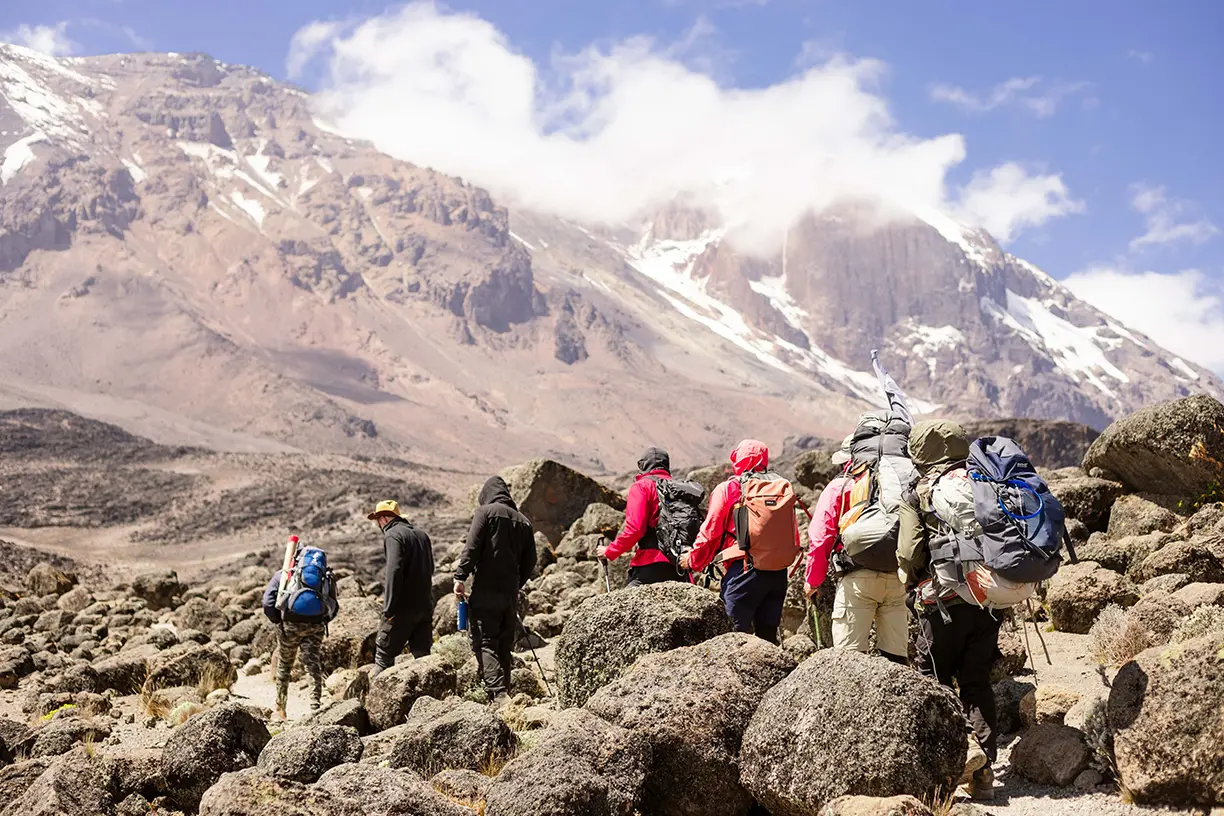
Trail conditions in January are generally stable and favorable for trekking. The rainforest section may still have damp patches from earlier seasonal rains, which can create occasional muddy areas. However, these are typically manageable and far less severe than during peak rainy seasons.
Higher sections of the mountain are mostly dry, with firm volcanic terrain and well-defined paths. As vegetation thins, navigation becomes more straightforward, and visibility improves significantly in clear weather. The final ascent to the summit remains physically demanding due to altitude and loose scree, but January conditions reduce complications related to rain, ice buildup, or excessive mud.
Crowd Levels in January
January is a moderately busy climbing month. It attracts international travelers taking advantage of holiday breaks and favorable weather conditions. While it is not as crowded as peak season months such as July, August, or September, it is far from quiet.
Popular routes like Machame and Marangu can feel active, especially during the first half of the month. However, the experience is still far less congested compared to peak safari-and-trekking season periods. Campsites are shared but not overcrowded, and the overall atmosphere remains balanced between social interaction and solitude.
Summit Success Rates
Summit success on Kilimanjaro depends on multiple factors, including acclimatization, fitness, pacing, and weather. January generally supports strong success rates because weather conditions are stable and predictable.
Clear skies reduce the risk of navigation issues, while dry trails make progress more consistent. When combined with properly planned itineraries—especially longer routes that allow gradual acclimatization—January often delivers favorable summit outcomes for prepared climbers.
Best Routes to Climb in January
Route choice plays a major role in the overall experience, and January conditions suit several popular options.
The Lemosho route is often considered one of the best choices due to its scenic diversity and strong acclimatization profile. It approaches from the western side of the mountain and offers a quieter start before merging with busier paths later in the climb.
The Machame route remains one of the most popular options because of its varied landscapes and well-established infrastructure. It is a strong all-around choice for climbers seeking a classic Kilimanjaro experience.
The Rongai route, approaching from the northern side near the Kenyan border, is typically drier than southern routes and can be a good option for those wanting to minimize exposure to moisture. It also tends to be less crowded.
The Marangu route offers hut accommodation instead of camping, which can be appealing during colder nights, although its shorter acclimatization profile can reduce summit success rates for some climbers.
Advantages of Climbing in January
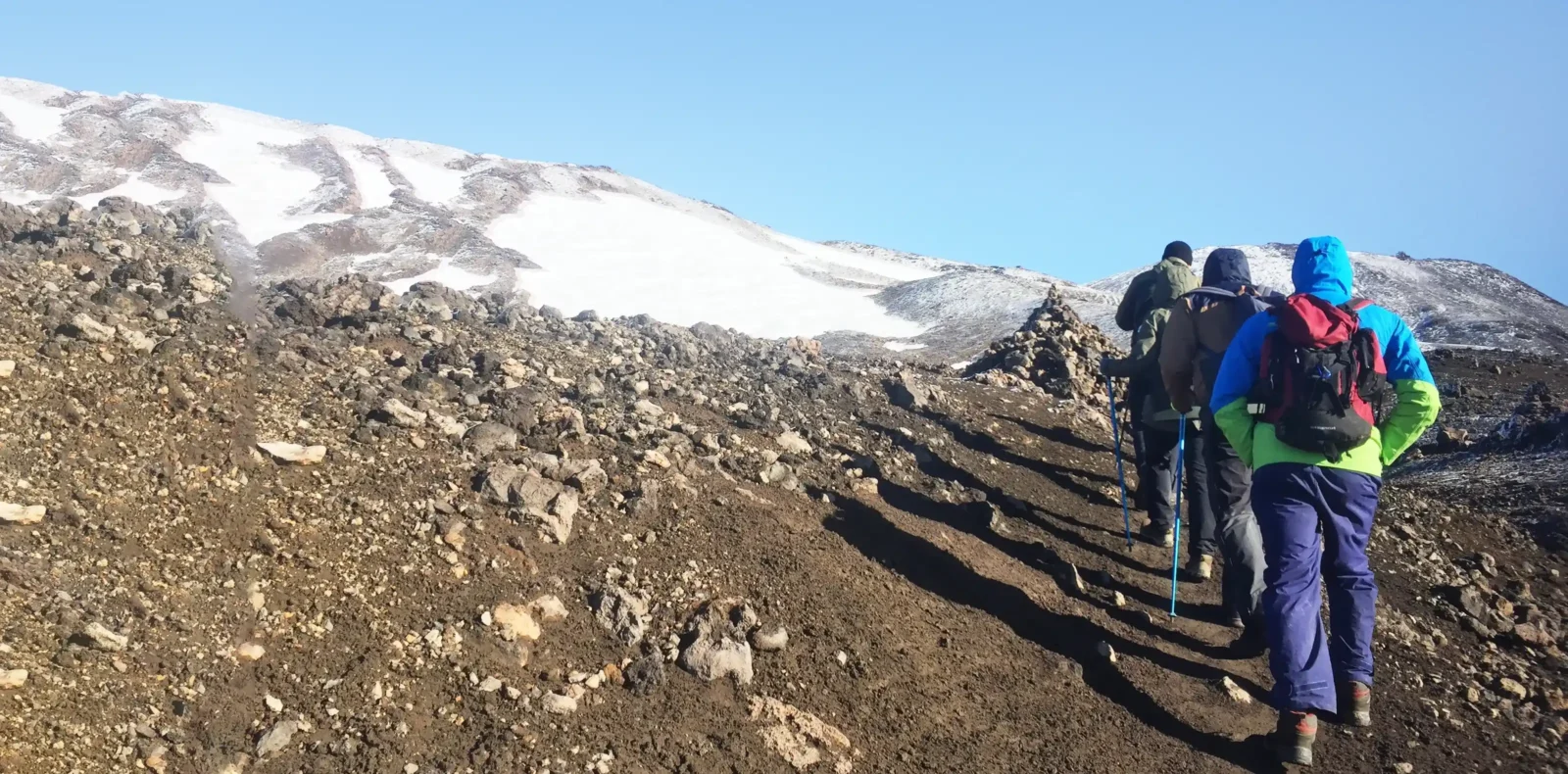
January offers a strong combination of benefits. Weather stability is one of the most important advantages, with fewer disruptions from rain and generally clearer skies. This improves both safety and enjoyment.
Visibility is another major benefit. Many climbers choose January specifically for the chance to see expansive views across the mountain, especially during sunrise at higher elevations.
Crowd levels are moderate, offering a balanced experience without the intensity of peak-season congestion. This makes it easier to enjoy both the solitude of the mountain and the camaraderie of fellow trekkers.
Challenges of Climbing in January
Despite its advantages, January is not without challenges. Summit night remains extremely cold, and climbers must be prepared for harsh conditions regardless of the season.
Occasional rain in the lower rainforest zone can still make initial trekking sections damp or slippery. While not severe, it requires proper footwear and rain protection.
Additionally, because January is a popular month, early booking is essential to secure permits, guides, and preferred routes.
Final Verdict: Is January a Good Time to Climb?
January is widely considered one of the best months to climb Kilimanjaro. It offers a strong balance of stable weather, good visibility, manageable crowds, and high summit success potential.
It is especially suitable for first-time climbers or those seeking a reliable weather window without peak-season congestion. However, proper preparation remains essential, particularly for cold summit conditions and altitude adaptation.
For most trekkers, January provides one of the most rewarding and visually impressive Kilimanjaro experiences available throughout the year.