
Karen Blixen Museum: “Out of Africa” Brought to Life
A Historic Home in the Quiet Suburbs of Nairobi
In the leafy, tranquil outskirts of Nairobi sits one of Kenya’s most evocative cultural landmarks—the Karen Blixen Museum. Unlike the city’s wildlife attractions, this place offers something different: a journey into colonial-era history, literature, and the lived experiences that inspired one of the most famous memoirs about East Africa.
Surrounded by green gardens and framed by the distant Ngong Hills, the museum feels peaceful and reflective. It is the kind of place where time seems to slow down, inviting visitors to imagine life in Kenya during the early 20th century.
The Story of Karen Blixen in Kenya
The museum was once the farmhouse of Karen Blixen, a Danish author who lived in Kenya between 1914 and 1931. She managed a coffee plantation at the foot of the Ngong Hills, an experience she later documented in her memoir Out of Africa.
Her life in Kenya was marked by both beauty and hardship. She arrived with her husband to manage the plantation, but the marriage eventually ended, leaving her to run the farm largely on her own. Despite the challenges, her time in Kenya deeply influenced her writing and worldview.
Blixen’s memoir captures the landscapes, people, and experiences of colonial Kenya in a reflective and often poetic style. It later gained global recognition, especially after being adapted into the Oscar-winning film Out of Africa.
The House That Became a Museum
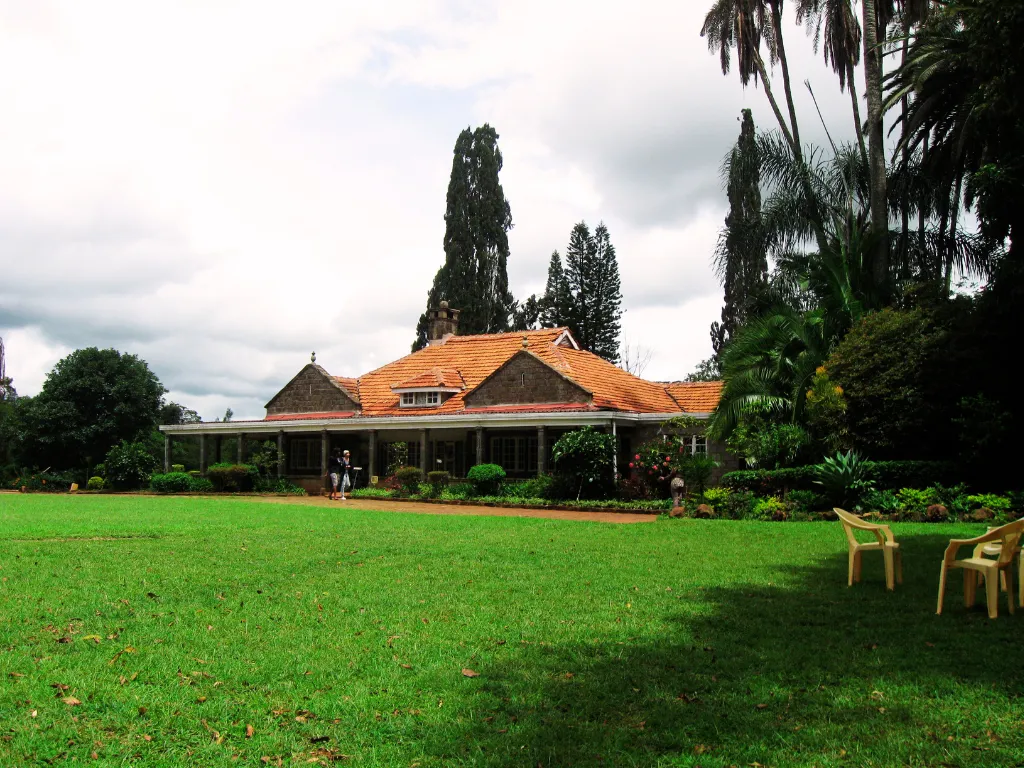
Today, the original farmhouse has been preserved as a museum. Walking through its rooms offers a rare glimpse into early settler life in Kenya. The structure itself retains much of its original design, with wooden floors, vintage furniture, and personal artifacts that reflect Blixen’s life on the farm.
Inside, visitors find photographs, letters, and original items that belonged to Blixen and her household. Each room tells part of her story—from her writing space to her living quarters, offering insight into both her personal life and her literary journey.
The museum does not feel overly staged or artificial. Instead, it maintains a sense of authenticity, allowing visitors to connect more directly with the history it represents.
Life on the Coffee Farm
At the time Blixen lived there, the property functioned as a coffee plantation. Coffee farming in early colonial Kenya was a demanding enterprise, shaped by unpredictable weather, labor challenges, and economic uncertainty.
Although the plantation itself is no longer operational, the grounds still reflect its agricultural past. The surrounding landscape gives visitors a sense of how the estate once functioned as both a home and a working farm.
The Ngong Hills, visible in the distance, play a symbolic role in her memoir. They are often referenced as a constant presence in her life in Kenya, representing both beauty and stability in an otherwise difficult environment.
“Out of Africa” and Its Global Legacy
Karen Blixen’s memoir, Out of Africa, brought international attention to her life in Kenya. The book is a deeply personal reflection on her experiences, relationships, and observations of the land and people around her.
The later film adaptation further cemented her legacy, introducing global audiences to the landscapes of Kenya and the emotional tone of her writing. While the film took creative liberties, it helped preserve interest in her story and the historic site that now bears her name.
For many visitors, the museum is not just about Blixen herself, but about understanding how literature can shape perceptions of place and history.
A Walk Through the Grounds
Beyond the house, the museum grounds offer a quiet and scenic environment. Tall trees, well-kept gardens, and open lawns create a peaceful atmosphere that contrasts with the energy of central Nairobi.
Walking through the grounds allows visitors to imagine what life might have been like on the estate nearly a century ago. The sense of space and stillness is striking, especially given how close the site is to a modern city.
Occasionally, guided tours provide additional historical context, helping visitors understand the layout of the farm and the daily routines that once took place there.
Cultural and Historical Significance
The Karen Blixen Museum is more than a preserved home—it is a cultural reference point that connects literature, colonial history, and Kenyan heritage.
It raises important questions about how history is remembered and interpreted. While Blixen’s writings are celebrated for their literary quality, they also reflect a specific historical period that is complex and often debated.
As a result, the museum serves not only as a tribute to her life but also as a space for reflection on Kenya’s broader historical journey.
Visiting the Museum Today
Today, the museum is open to the public and remains one of Nairobi’s most visited cultural attractions. It is especially popular among literature enthusiasts, history lovers, and travelers looking for a quieter, more reflective experience away from wildlife-focused tourism.
The guided tours are informative and help bring the story of Karen Blixen to life in a structured and engaging way. Visitors often leave with a deeper appreciation for both the author and the historical context in which she lived.
Final Reflection
The Karen Blixen Museum offers a different side of Kenya’s tourism experience—one rooted in memory, storytelling, and historical reflection rather than wildlife encounters.
It stands as a preserved piece of literary history, where the pages of Out of Africa meet the real landscapes that inspired them. For visitors in Nairobi, it provides a quiet but powerful reminder that every place carries layered stories—some written in books, others etched into the land itself.