
How Long Does It Take to Climb Mount Kilimanjaro?
Climbing Mount Kilimanjaro is not simply a matter of distance but a carefully managed process of altitude adaptation, endurance, and pacing, making the duration of the climb one of the most critical decisions any climber will make. Rising to 5,895 meters above sea level, Kilimanjaro is the highest mountain in Africa and the tallest free-standing mountain in the world, yet it is also one of the most accessible high-altitude peaks. This accessibility often leads climbers to underestimate the importance of time on the mountain.
Most Kilimanjaro climbs take between five and nine days, but the difference between these durations can determine success or failure, as the body needs time to acclimatize to decreasing oxygen levels. The mountain’s diverse ecological zones—from tropical rainforest to arctic summit—create a dynamic environment where your body must constantly adjust. This is why experienced guides emphasize that climbing Kilimanjaro is not a race but a gradual ascent that rewards patience and strategic planning.
Understanding how long it takes to climb Kilimanjaro requires a deeper look into routes, acclimatization strategies, daily trekking patterns, and individual physical response, all of which combine to shape the overall timeline of the climb.
A Detailed Study of Kilimanjaro Climbing Duration
The Science Behind Time and Altitude Acclimatization
The primary reason Kilimanjaro climbs take multiple days is due to altitude acclimatization, which is the process by which the body adjusts to lower oxygen levels at higher elevations. At sea level, oxygen saturation is high, but as you ascend, the air becomes thinner, and your body must work harder to deliver oxygen to muscles and vital organs.
Without sufficient time to acclimatize, climbers risk developing Acute Mountain Sickness (AMS), which can lead to symptoms such as headaches, nausea, dizziness, and fatigue. In more severe cases, altitude sickness can become life-threatening, requiring immediate descent.
This is why longer itineraries are strongly recommended, as they allow the body to gradually adapt through a combination of slow ascent and strategic rest periods. The principle of “climb high, sleep low” is often used, where climbers ascend to higher altitudes during the day and descend slightly to sleep, improving oxygen adaptation.
Standard Duration: The 5 to 9 Day Range Explained
The commonly accepted timeframe for climbing Kilimanjaro ranges from five to nine days, with each duration offering a different balance between speed, comfort, and success rate. Shorter climbs, typically five to six days, are faster and more physically demanding, while longer climbs of seven to nine days provide better acclimatization and higher summit success rates.
Five-day itineraries are generally considered aggressive and are not recommended for most climbers, as they do not provide enough time for proper acclimatization. These routes often result in lower success rates and a higher likelihood of altitude-related issues.
Six-day climbs offer a slight improvement but still carry risks, especially for individuals without prior high-altitude experience. While some climbers successfully reach the summit on six-day routes, the margin for error remains narrow.
Seven-day itineraries are widely regarded as the optimal choice, striking a balance between time efficiency and acclimatization. These routes include additional time for gradual ascent and recovery, significantly improving the chances of reaching the summit.
Eight to nine-day routes provide the highest success rates, as they allow for extended acclimatization and a more relaxed pace. These longer itineraries are ideal for beginners, older climbers, or anyone prioritizing safety and comfort.
Route Selection and Its Impact on Duration
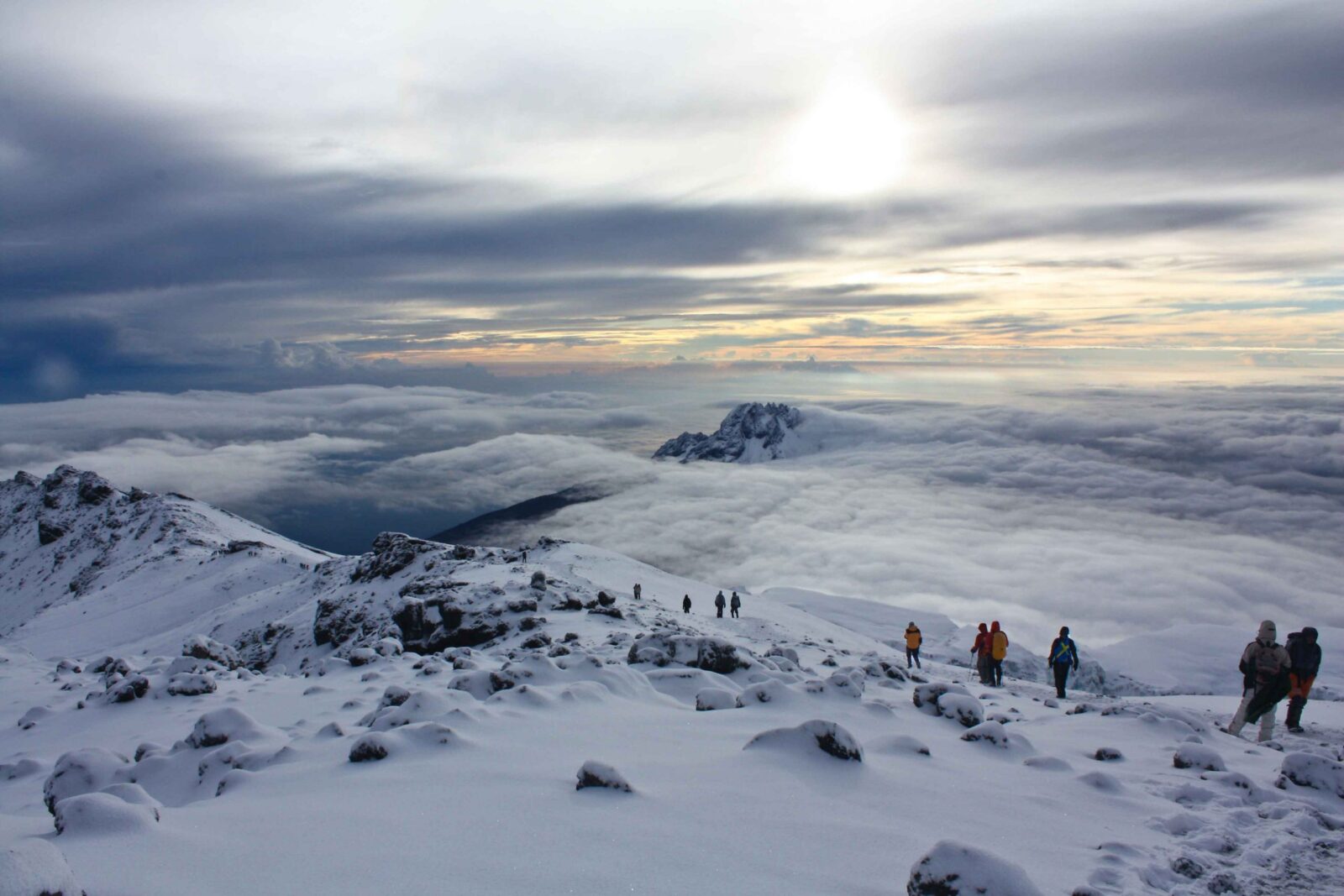
The route you choose plays a major role in determining how long your Kilimanjaro climb will take, as each route has a different length, terrain profile, and acclimatization strategy. Some routes are shorter and steeper, while others are longer and more gradual.
The Marangu Route, often referred to as the “Coca-Cola Route,” typically takes five to six days, making it one of the shortest options. However, its rapid ascent profile results in lower success rates compared to longer routes.
The Machame Route, also known as the “Whiskey Route,” usually takes six to seven days, offering a more scenic and varied experience with better acclimatization opportunities.
The Lemosho Route is considered one of the best for acclimatization and typically takes seven to eight days, providing a gradual ascent and stunning landscapes across different ecological zones.
The Northern Circuit Route is the longest, taking eight to nine days, and offers the highest success rates due to its extended acclimatization period and less crowded paths.
Daily Trekking Time and Physical Demands
Each day on Kilimanjaro involves several hours of trekking, usually ranging from four to eight hours, depending on the route, terrain, and altitude. The pace is intentionally slow to conserve energy and allow the body to adjust.
As you gain altitude, trekking becomes more physically demanding, even though distances may not be significantly longer. The reduced oxygen levels make simple tasks feel more strenuous, requiring careful pacing and frequent rest breaks.
Summit night is the most challenging part of the climb, often involving 10 to 14 hours of continuous trekking. Climbers begin their ascent around midnight, navigating steep, cold, and dark conditions to reach the summit at sunrise.
After reaching the summit, climbers must still descend for several hours, making summit day the longest and most physically demanding part of the entire journey.
The Role of Acclimatization Days
Acclimatization days are built into longer itineraries to improve the body’s ability to adapt to altitude, and they play a crucial role in increasing summit success rates. These days may involve shorter hikes or rest periods at intermediate camps.
Including extra acclimatization time can significantly reduce the risk of altitude sickness, allowing climbers to continue the ascent safely and comfortably.
Many experienced climbers and guides consider acclimatization days essential rather than optional, especially for those without prior high-altitude experience.
Weather and Seasonal Influence on Duration
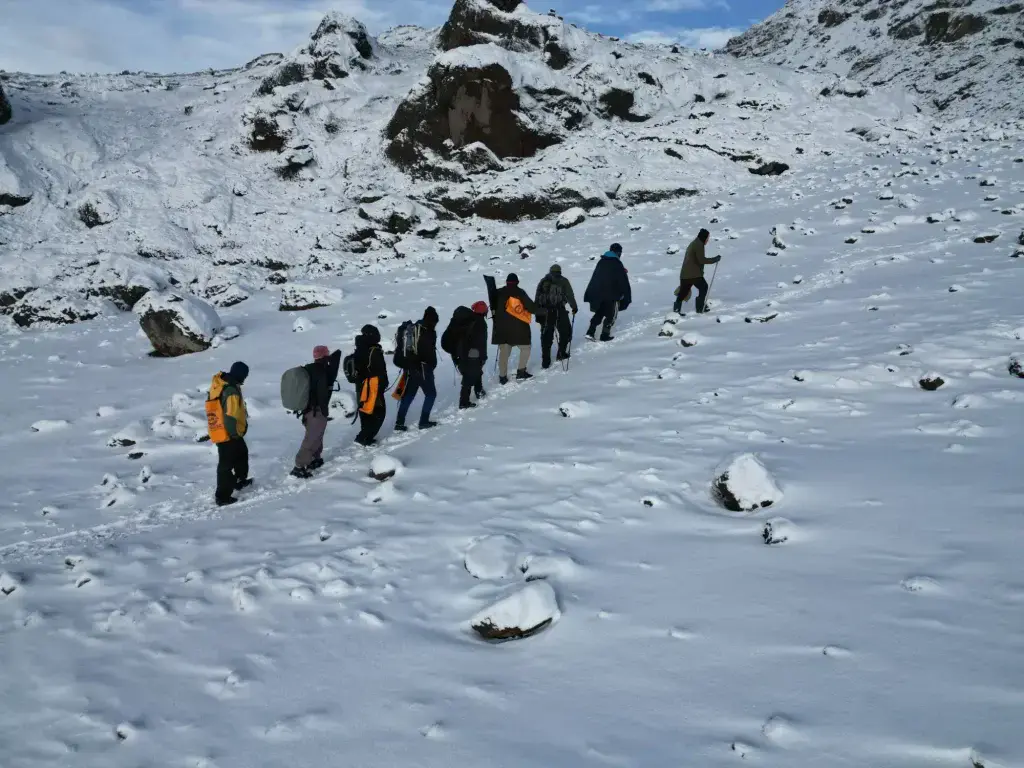
Weather conditions on Kilimanjaro can also affect how long the climb takes, as rain, snow, and strong winds can slow progress or require adjustments to the itinerary. The mountain has two main climbing seasons, typically during the dry months when conditions are more stable.
Unpredictable weather can lead to delays or changes in pace, making flexibility an important part of the climbing experience. Climbers should be prepared for sudden changes in temperature and conditions at any altitude.
Fitness Level and Individual Variation
Individual fitness levels and altitude tolerance play a significant role in determining how long it takes to climb Kilimanjaro, as each climber responds differently to the physical and environmental challenges.
While a higher level of fitness can improve endurance and recovery, it does not eliminate the need for acclimatization, as altitude affects everyone regardless of physical condition.
Listening to your body and following your guide’s advice is essential, as pushing too hard can lead to exhaustion or altitude-related complications.
Guided Climbs and Group Dynamics
Most Kilimanjaro climbs are conducted with guides and support teams, including porters and cooks, who help manage logistics and ensure safety. Group dynamics can influence the pace of the climb, as teams often move at the speed of the slowest member.
Guides play a critical role in monitoring health, adjusting pace, and making decisions about ascent or descent, ensuring that the climb remains safe for everyone involved.
Fast Climbs vs Extended Expeditions
Fast climbs, while possible, are generally discouraged due to the increased risk of altitude sickness, and they are typically attempted only by highly experienced mountaineers.
Extended expeditions, on the other hand, prioritize safety, comfort, and success, offering a more enjoyable and immersive experience on the mountain.
Final Thoughts on Kilimanjaro Climbing Duration
Climbing Kilimanjaro is a journey that requires patience, preparation, and respect for altitude, making duration one of the most important factors in achieving success. While it is possible to complete the climb in as little as five days, most climbers benefit significantly from longer itineraries.
Planning for at least seven days on the mountain provides the best balance between safety and efficiency, allowing for proper acclimatization and a higher likelihood of reaching the summit.
Ultimately, the time it takes to climb Kilimanjaro is not just about reaching the top, but about ensuring that you do so safely, comfortably, and successfully, making every step of the journey as rewarding as the summit itself.