
Arusha City Guide: Tanzania’s Safari Capital
At the foot of Mount Meru and within reach of some of Africa’s most iconic wildlife destinations lies Arusha — a vibrant, fast-growing city often referred to as the safari capital of Tanzania. For most travelers, Arusha is the gateway to legendary parks like the Serengeti and Ngorongoro Crater. But beyond being a starting point, the city itself offers culture, history, markets, and a unique blend of urban life and natural beauty worth exploring.
Arusha is where safari dreams begin, where travelers gather before heading into the wild, and where the rhythm of daily Tanzanian life unfolds against a backdrop of volcanic mountains and lush greenery.
Where Is Arusha and Why It Matters
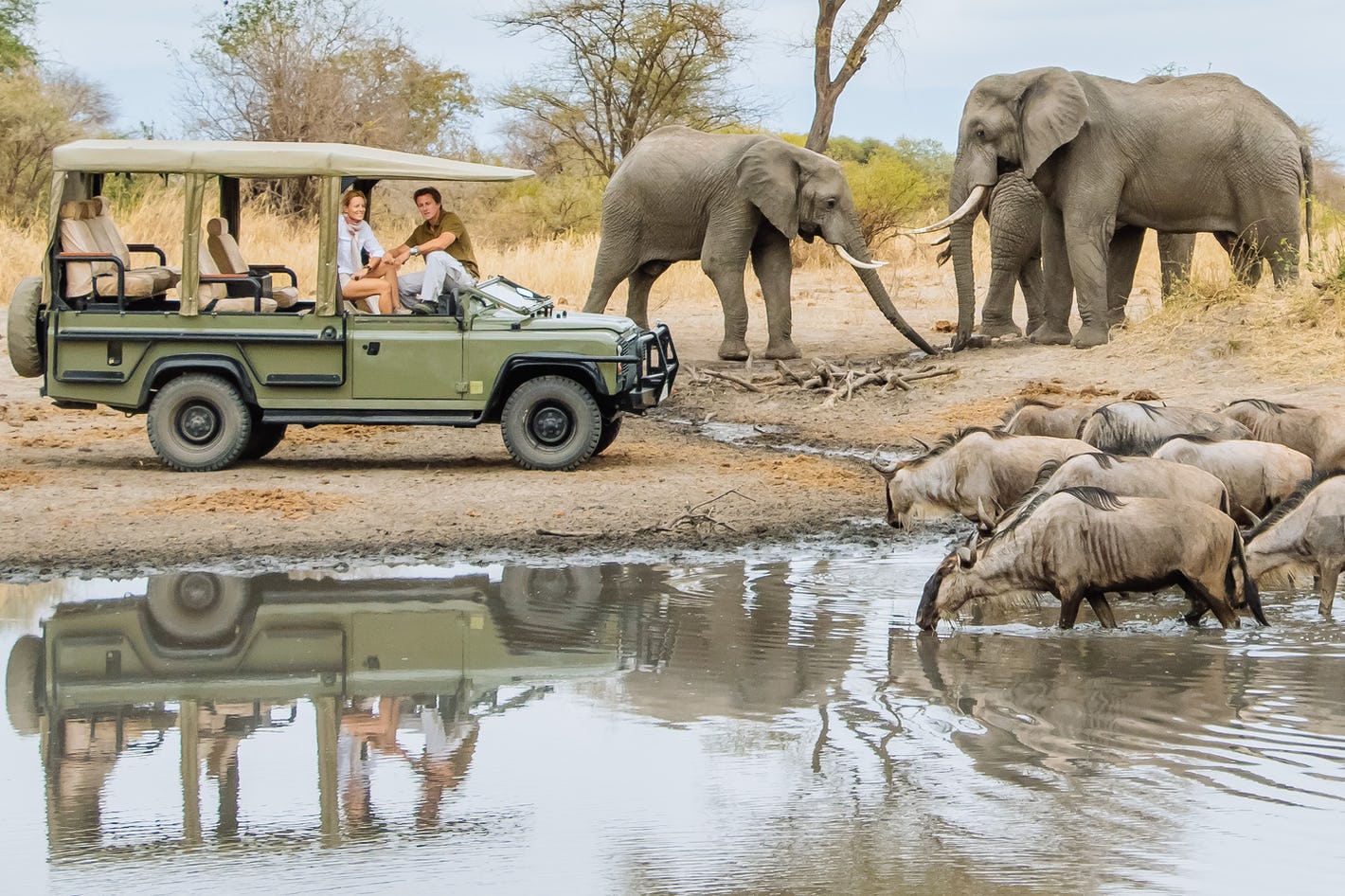
Strategically located in northern Tanzania, Arusha sits at the center of the country’s most popular safari circuit. From here, it’s easy to access destinations like Serengeti National Park, Ngorongoro Crater, Tarangire National Park, and Lake Manyara National Park.
This prime location has made Arusha a hub for tour operators, safari guides, and travelers from around the world. Nearly every northern Tanzania safari begins or ends here, giving the city an international yet distinctly local atmosphere.
It is also close to Mount Kilimanjaro, Africa’s highest peak, making it a key base for climbers preparing to summit the mountain.
A City Framed by Nature
What makes Arusha unique is how closely it is tied to nature. The towering presence of Mount Meru dominates the skyline, offering a dramatic backdrop to the city. On clear days, even Mount Kilimanjaro can be glimpsed in the distance.
Just outside the city lies Arusha National Park, a small but diverse park known for its lush forests, crater lakes, and views of Mount Meru. It’s one of the few places in Tanzania where you can enjoy walking safaris and canoeing alongside wildlife such as giraffes, buffalo, and flamingos.
This proximity to nature means that even a short stay in Arusha can include a taste of Tanzania’s wildlife and landscapes without traveling far.
Culture and Daily Life
Arusha is a melting pot of cultures, with influences from various Tanzanian tribes as well as international communities. The Maasai people are particularly visible, often seen in traditional dress as they move through the city or sell handmade crafts.
Local markets are at the heart of daily life. The Central Market is a bustling hub where vendors sell everything from fresh produce and spices to textiles and household goods. Walking through the market is an experience in itself — vibrant, noisy, and full of color.
For souvenirs, the Maasai Market offers a wide selection of handmade items, including beadwork, carvings, paintings, and fabrics. It’s a great place to interact with local artisans and take home a piece of Tanzanian culture.
Food and Dining in Arusha
Arusha’s food scene reflects its diversity. From local Tanzanian dishes to international cuisine, the city offers something for every palate.
Traditional meals often include nyama choma (grilled meat), ugali (a maize-based staple), rice dishes, and fresh vegetables. Street food is widely available and provides an authentic taste of local flavors.
There are also numerous restaurants and cafes catering to international travelers, offering everything from Italian and Indian cuisine to modern fusion dishes. Coffee lovers will appreciate the high-quality Tanzanian coffee grown in nearby regions.
Things to Do in Arusha
While many travelers pass through quickly, Arusha offers a range of activities worth exploring. Cultural tours provide insight into local traditions and lifestyles, while visits to coffee plantations reveal the process behind one of Tanzania’s most important exports.
The Cultural Heritage Centre is a standout attraction, combining art gallery, museum, and shopping space. It showcases African art, gemstones, and cultural artifacts, offering a deeper understanding of the region’s heritage.
For those interested in history and international affairs, Arusha has played a role in diplomacy and conflict resolution in East Africa, hosting important meetings and institutions.
Outdoor enthusiasts can hike Mount Meru, explore nearby waterfalls, or take day trips to surrounding مناطق that offer scenic beauty and cultural experiences.
Where to Stay
Accommodation in Arusha ranges from budget guesthouses to luxury lodges. Many travelers choose to stay in lodges set on the outskirts of the city, where gardens, views, and quieter surroundings provide a relaxing environment before or after a safari.
Mid-range hotels in the city center offer convenience and easy access to markets and restaurants, while high-end lodges provide comfort, personalized service, and often stunning views of Mount Meru.
When to Visit Arusha
Arusha can be visited year-round, but the best time often aligns with Tanzania’s safari seasons. The dry season, from June to October, offers pleasant weather and is ideal for wildlife viewing in nearby parks.
The wet seasons, from March to May and November, bring lush landscapes and fewer crowds, though occasional बारिश may affect travel plans.
Because Arusha is a gateway city, it remains lively throughout the year, with a constant flow of travelers and activity.
Why Arusha Is More Than a Stopover
For many visitors, Arusha is simply a transit point — a place to rest before heading into the wilderness. But those who take the time to explore it discover a city full of character, culture, and charm.
It offers a glimpse into everyday Tanzanian life, a chance to connect with local communities, and an opportunity to ease into the safari experience before venturing into the wild.
Final Thoughts: The Heart of Northern Tanzania
Arusha is more than just a gateway — it is the beating heart of northern Tanzania’s tourism landscape. Surrounded by mountains, close to world-famous parks, and rich in culture, it provides the perfect introduction to the country’s beauty and diversity.
Whether you spend a night or a few days, Arusha sets the tone for your journey — a place where adventure begins, stories unfold, and the spirit of Africa comes alive.