
Altitude Sickness on Kilimanjaro: Prevention and Treatment
Climbing Mount Kilimanjaro is physically accessible compared to many high peaks because it does not require technical climbing skills. However, its extreme altitude makes acute mountain sickness (AMS) the single most important challenge every climber must understand. In fact, altitude-related illness—not terrain or weather—is the primary reason people fail to reach the summit.
This guide explains what altitude sickness is, why it happens on Kilimanjaro, how to prevent it effectively, and what to do if symptoms appear.
What Is Altitude Sickness?
Altitude sickness is a physiological response to reduced oxygen availability at high elevations. As you ascend Kilimanjaro, atmospheric pressure decreases, meaning each breath contains less oxygen. Your body must adapt by increasing breathing rate, heart rate, and red blood cell activity.
When this adaptation is insufficient or too rapid, symptoms of acute mountain sickness appear. On Kilimanjaro, this typically begins above 2,500–3,000 meters, and becomes more likely as you approach higher camps above 4,000 meters.
Why Kilimanjaro Poses a High Risk
Although Kilimanjaro is a trekking peak, its profile creates a significant altitude challenge. Climbers ascend rapidly over several days, often sleeping at progressively higher elevations without full acclimatization.
Unlike many Himalayan climbs, there is no permanent settlement at high altitude where the body can adjust over time. This means climbers rely entirely on itinerary design and pacing to adapt safely.
The most critical factor is ascent speed. Routes that climb too quickly or lack rest days increase the likelihood of AMS dramatically.
Types of Altitude Illness
Altitude sickness exists on a spectrum.
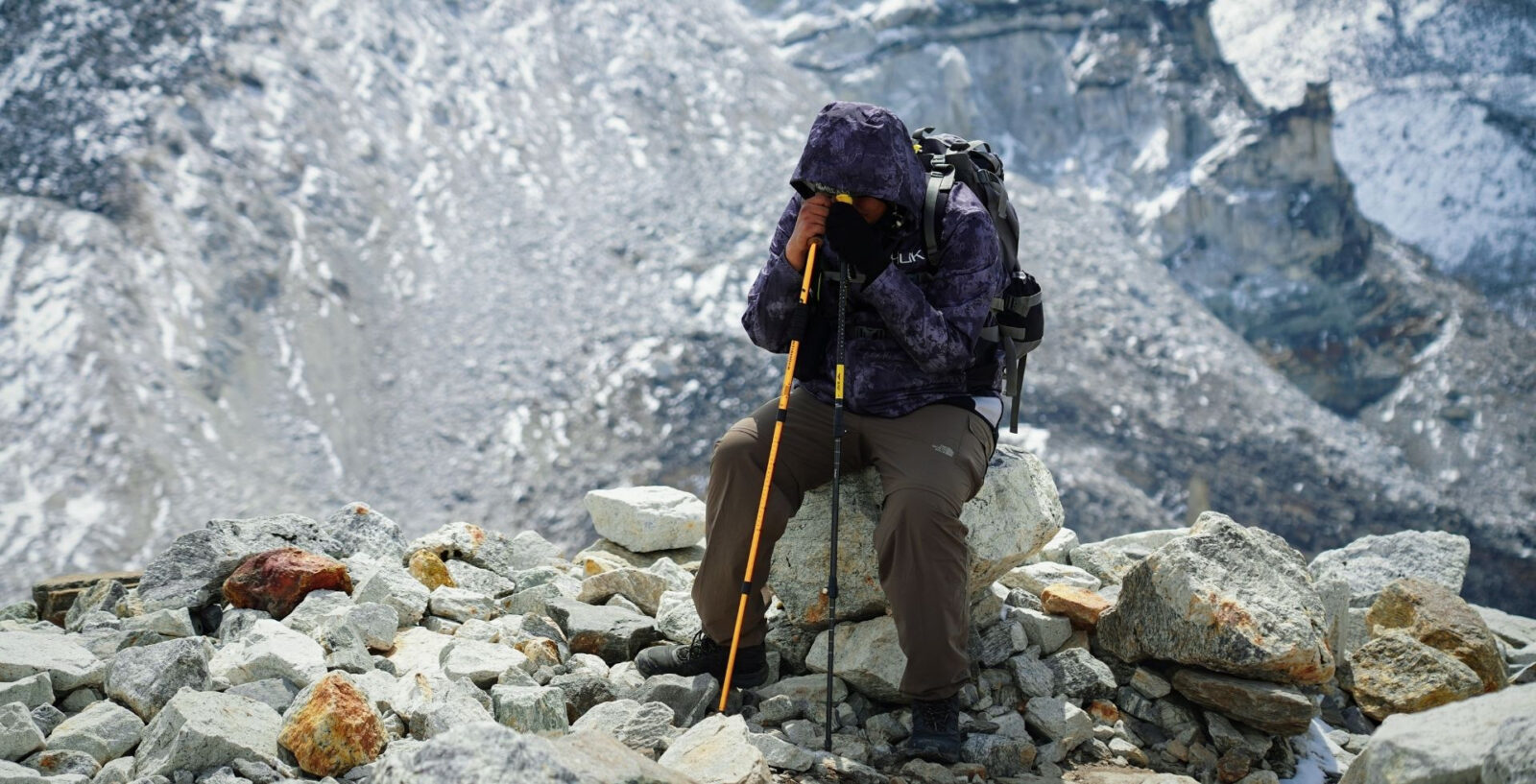
The most common form is acute mountain sickness (AMS), which presents with symptoms such as headache, nausea, dizziness, fatigue, and loss of appetite. AMS is not life-threatening on its own but must be taken seriously.
More severe forms include high altitude cerebral edema (HACE), which affects the brain, and high altitude pulmonary edema (HAPE), which affects the lungs. Both are medical emergencies and require immediate descent.
Early Symptoms to Watch For
The earliest warning sign is usually a persistent headache that does not improve with hydration or rest. Other early indicators include unusual fatigue, difficulty sleeping, nausea, and a reduced desire to eat.
Climbers often underestimate these symptoms, assuming they are normal fatigue from trekking. On Kilimanjaro, however, any unusual symptom at altitude should be treated as potentially altitude-related until proven otherwise.
Prevention Strategies
The most effective prevention method is slow ascent. Routes that allow gradual elevation gain significantly reduce risk. Longer itineraries such as 7–9 day climbs provide far better acclimatization than shorter routes.
A key principle is “climb high, sleep low,” which allows the body to experience higher elevations during the day but recover at lower sleeping altitudes.
Hydration is also critical. Dehydration worsens symptoms and reduces the body’s ability to acclimatize. Climbers should drink consistently throughout the day rather than waiting until they feel thirsty.
Proper pacing is equally important. Walking slowly—often referred to as “pole pole” on Kilimanjaro—is not optional but essential for oxygen efficiency.
Some climbers use medication such as acetazolamide (Diamox), which can help accelerate acclimatization. This should only be used under medical guidance before the climb.
Role of Guides and Monitoring
Experienced guides play a crucial role in altitude safety. They monitor climbers daily using pulse oximeters and symptom checklists. Oxygen saturation levels help identify early signs of deterioration even before symptoms become severe.
If a climber shows concerning signs, responsible guides may require rest, delay ascent, or initiate descent. This decision is based on safety rather than summit success.
Treatment of Altitude Sickness
The most effective treatment for altitude sickness is immediate rest or descent. Mild AMS symptoms can sometimes improve with rest at the same altitude, but progression to higher camps should be paused until symptoms resolve.
Oxygen supplementation may be used in higher camps as a temporary relief measure, but it is not a cure. It only masks symptoms while the underlying issue remains.
In more serious cases involving HACE or HAPE, immediate descent is mandatory. Even a small drop in elevation can significantly improve oxygen availability and reduce risk.
Decision-Making at Altitude
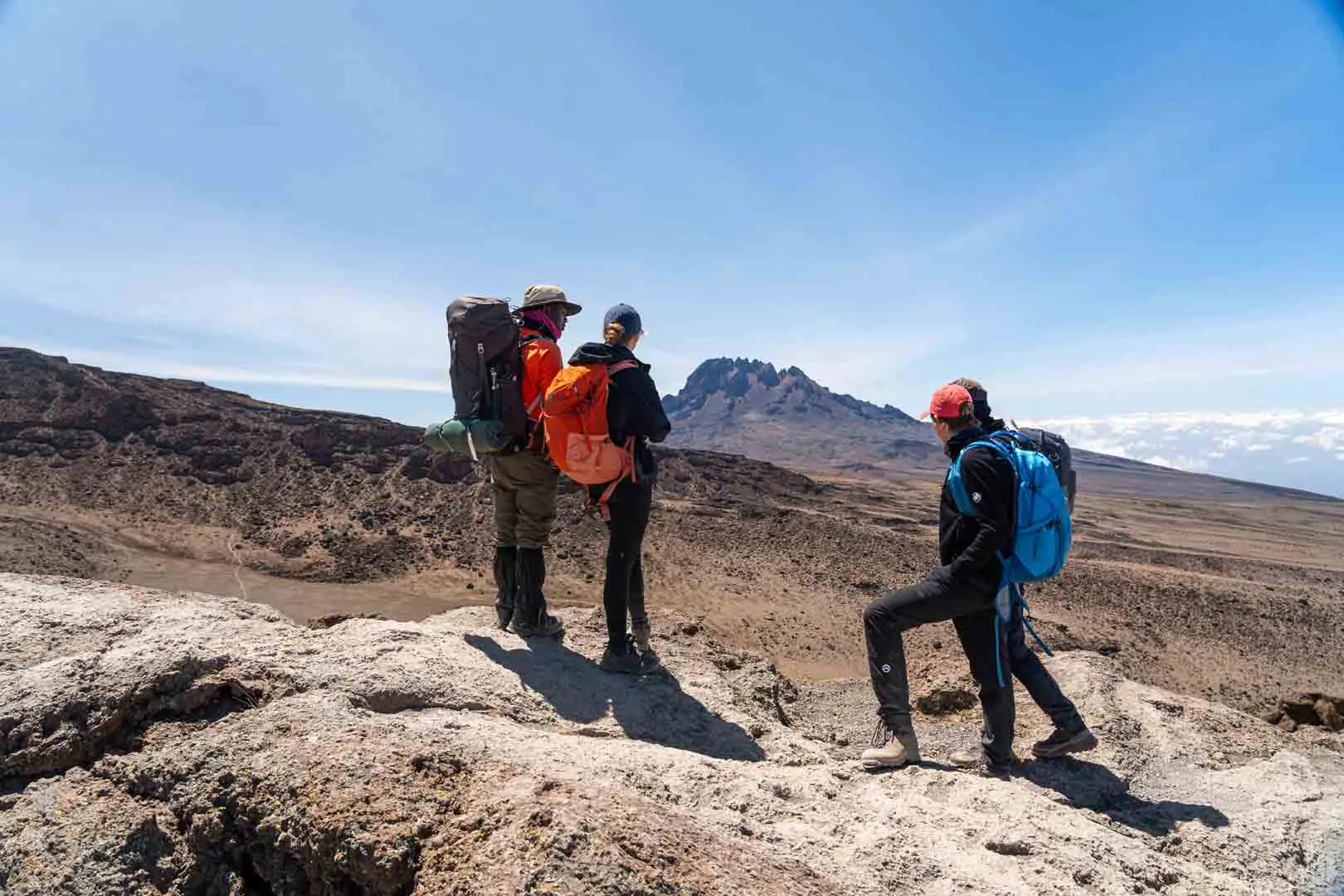
One of the most important aspects of altitude safety is honest self-assessment. Climbers must communicate symptoms clearly and avoid pushing through severe discomfort.
A key rule used by guides is that worsening symptoms at rest indicate the need for descent. Continuing upward under those conditions is dangerous and can quickly escalate into a medical emergency.
Who Is Most at Risk?
Altitude sickness does not depend strongly on age, fitness level, or gender. Even very fit individuals can be affected. Previous high-altitude experience may reduce risk slightly, but it does not guarantee immunity.
Climbers who ascend too quickly, ignore early symptoms, or fail to hydrate properly are at significantly higher risk regardless of physical condition.
Final Thoughts
Altitude sickness is the most important challenge on Kilimanjaro, but it is also highly manageable with the right approach. Proper pacing, longer itineraries, hydration, and attentive guiding dramatically reduce risk.
Most importantly, success on Kilimanjaro is not about speed—it is about adaptation. Climbers who respect altitude and allow their bodies time to adjust greatly increase their chances of reaching the summit safely and successfully.