
Uganda Budget Safari vs Luxury Safari: What’s the Difference?
Uganda offers some of Africa’s most rewarding safari experiences, from tracking mountain gorillas in dense forests to spotting tree-climbing lions on open savannah plains. But one of the most important decisions travelers face when planning a safari is whether to choose a budget or luxury experience.
Both options allow you to explore iconic destinations such as Bwindi Impenetrable National Park, Queen Elizabeth National Park, and Murchison Falls National Park, yet they differ significantly in cost, comfort, logistics, and overall experience.
Understanding these differences is essential for choosing a safari that aligns with your expectations, travel style, and budget. This guide provides a detailed comparison of budget and luxury safaris in Uganda, helping you make an informed decision.
Cost: The Most Obvious Difference
The most immediate difference between budget and luxury safaris is the price.
A budget safari in Uganda can range from $100 to $250 per day, depending on the itinerary, group size, and level of accommodation. These safaris are designed to be affordable and accessible, making them ideal for backpackers, students, and travelers on tight budgets.
Luxury safaris, on the other hand, can cost anywhere from $400 to over $1,000 per day. High-end gorilla trekking packages, for example, often include premium lodges, private transport, and personalized services, significantly increasing the overall cost.
Despite the price gap, both options include essential safari elements such as game drives, park entry fees, and guided experiences. The difference lies in the level of comfort and exclusivity.
Accommodation: Basic vs Premium Comfort
Accommodation is one of the defining features that separates budget and luxury safaris.
On a budget safari, you will typically stay in basic lodges, guesthouses, or campsites. These accommodations are clean and functional but may have limited amenities. Expect simple rooms, mosquito nets, shared or basic private bathrooms, and sometimes inconsistent electricity or hot water.
In contrast, luxury safaris offer high-end lodges and tented camps that rival top hotels. These accommodations often feature spacious rooms, en-suite bathrooms, hot showers, fine dining, swimming pools, and stunning views of the surrounding landscapes.
For example, near Bwindi Impenetrable National Park, budget travelers may stay in simple community lodges, while luxury travelers enjoy exclusive forest lodges with private decks overlooking the जंगल.
Transportation: Shared vs Private Travel
Transportation plays a major role in shaping the safari experience.
Budget safaris usually involve shared transport, often in standard safari vans or minibuses. These vehicles are functional but may lack the comfort and space of higher-end options. Travelers share the vehicle with others, which can limit flexibility in schedules and stops.
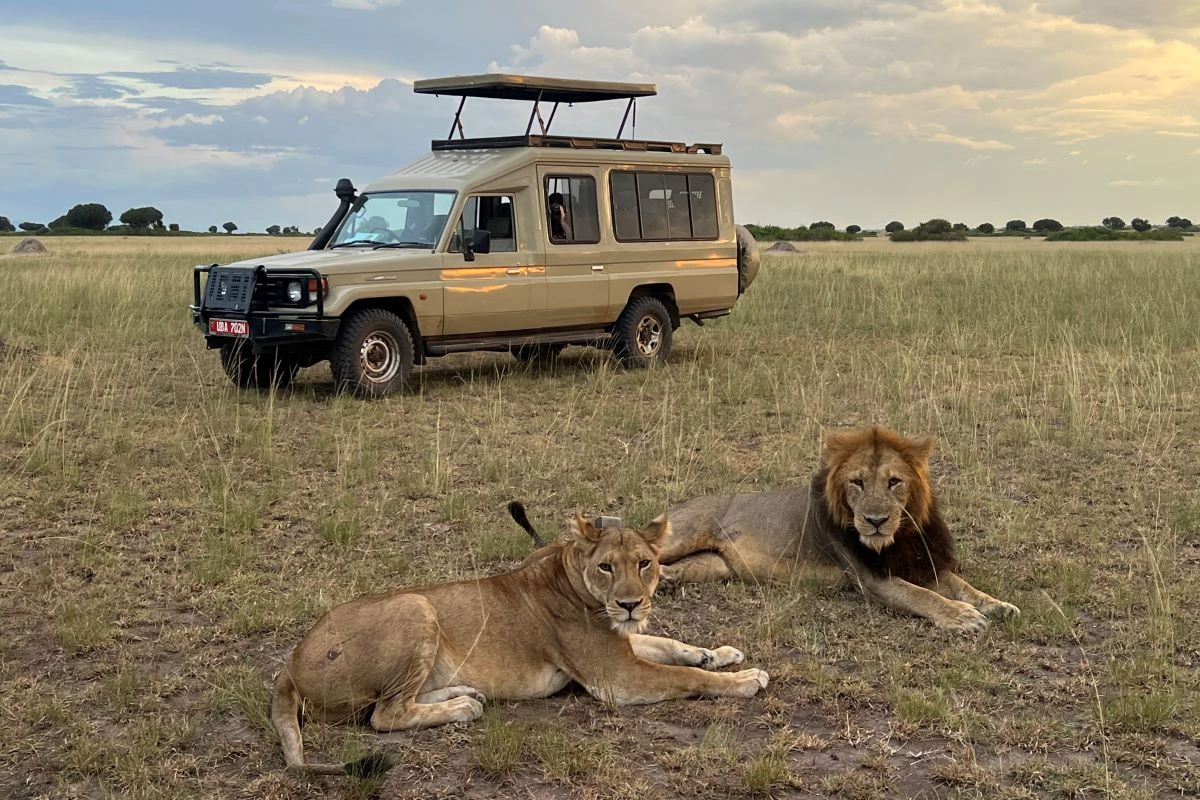
Luxury safaris provide private 4×4 safari vehicles, often customized with pop-up roofs for optimal wildlife viewing. These vehicles are more comfortable, spacious, and equipped for long journeys across rough terrain.
In some cases, luxury safaris also include domestic flights between destinations, reducing travel time significantly. For instance, flying from Kampala to parks like Murchison Falls National Park or Bwindi Impenetrable National Park can save hours of road travel.
Experience and Flexibility
Budget safaris are often group-based, which means you travel with other people. This creates a social atmosphere and can be a great way to meet fellow travelers. However, it also means less flexibility, as schedules are fixed and decisions are made collectively.
Luxury safaris are typically private or semi-private. This allows for a highly personalized experience, where you can tailor your itinerary, choose your pace, and focus on specific interests such as birdwatching, photography, or extended game drives.
If you prefer independence and customization, luxury safaris offer a clear advantage. If you enjoy group travel and shared experiences, budget safaris can be equally rewarding.
Guides and Service Quality
Guides are a crucial part of any safari, and both budget and luxury options in Uganda generally provide knowledgeable and experienced guides.
However, luxury safaris often include highly specialized guides with extensive training in wildlife tracking, ecology, and conservation. The level of service is also more personalized, with attention to detail in every aspect of the journey.
Budget safaris still offer competent guides, but the level of service may be less personalized due to group dynamics and limited resources.
Food and Dining
Food is another area where the difference is noticeable.
On budget safaris, meals are usually simple but filling. They may include local dishes, packed lunches, and basic breakfasts. While the food is generally good, variety and presentation are limited.
Luxury safaris elevate dining into an experience. Guests enjoy freshly prepared meals, often with multiple courses, international cuisine, and high-quality ingredients. Dining settings may include outdoor decks, candlelit dinners, or scenic locations within the lodge.
Wildlife Experience: Is There a Difference?
Interestingly, the wildlife experience itself is often very similar between budget and luxury safaris. Whether you are in a basic van or a luxury 4×4, the animals you encounter in Queen Elizabeth National Park or Murchison Falls National Park are the same.
Both types of safaris provide access to national parks, guided game drives, and opportunities to see elephants, lions, buffalo, antelopes, and a wide range of bird species.
The main difference lies in comfort, timing, and exclusivity. Luxury safaris may offer early access to certain areas, fewer crowds, and better positioning for wildlife viewing.
Gorilla Trekking: Budget vs Luxury Approach
Gorilla trekking in Bwindi Impenetrable National Park is one of Uganda’s most sought-after experiences, and it is available in both budget and luxury packages.
The cost of the gorilla permit is fixed (currently $700 per person), regardless of the type of safari. The difference comes in the surrounding experience—transport, accommodation, and additional services.
Budget travelers may combine gorilla trekking with basic lodges and shared transport, while luxury travelers enjoy premium lodges, private guides, and seamless logistics.
Who Should Choose a Budget Safari?
A budget safari is ideal for travelers who prioritize experience over comfort. It is perfect for backpackers, students, solo travelers, and anyone looking to explore Uganda without spending heavily.
If you are flexible, open to group travel, and comfortable with basic amenities, a budget safari can provide incredible value and unforgettable experiences.
Who Should Choose a Luxury Safari?
Luxury safaris are best suited for travelers who value comfort, exclusivity, and convenience. They are ideal for honeymooners, families, or anyone seeking a more relaxed and personalized experience.
If you prefer private transport, high-end accommodation, and tailored itineraries, a luxury safari is worth the investment.
Conclusion: Choosing the Right Safari for You
The choice between a budget and luxury safari in Uganda ultimately comes down to your priorities. Both options offer access to the country’s extraordinary wildlife and landscapes, from the forests of Bwindi Impenetrable National Park to the savannahs of Queen Elizabeth National Park and the powerful waterfalls of Murchison Falls National Park.
A budget safari emphasizes affordability and shared experiences, while a luxury safari focuses on comfort, privacy, and premium service.
Whichever you choose, Uganda promises an adventure that is rich in wildlife, culture, and natural beauty. The real difference is not what you see—but how you experience it.