
Lamu Island: Kenya’s Swahili World Heritage Town
A Journey Into a Timeless Coastal World
Far up Kenya’s northern coastline, where the Indian Ocean meets centuries of Swahili heritage, lies Lamu Island. Unlike many coastal destinations shaped by modern tourism, Lamu feels like a place suspended in time. Life here moves slowly, guided by tides, donkeys, wooden dhows, and narrow coral-stone streets that have remained largely unchanged for centuries.
Reaching Lamu already feels like part of the experience. Whether arriving by boat or small aircraft to nearby Manda Island, the transition from modern travel to traditional island life is immediate. There are no cars in the old town—only footsteps echoing through alleyways, the sound of the ocean, and the call to prayer drifting across rooftops.
A UNESCO World Heritage Treasure
Lamu Old Town is one of the oldest and best-preserved Swahili settlements in East Africa, earning its status as a UNESCO World Heritage Site due to its outstanding cultural and historical value.
The town has been continuously inhabited for over 700 years and reflects a unique blend of African, Arab, Persian, and Indian influences. This cultural fusion is visible in everything—from architecture and religion to language and daily routines.
Coral stone buildings, intricately carved wooden doors, shaded courtyards, and flat rooftops define the architectural identity of the town. These structures were built not only for beauty but also for climate adaptation, allowing airflow and cool interiors in the tropical heat.
Life Without Cars: A Walking Island Culture
One of the most distinctive features of Lamu is the absence of motor vehicles in the old town. Transportation is primarily by foot, donkey, or traditional dhow boats. This creates a pace of life that feels fundamentally different from modern cities.
Donkeys serve as the island’s main form of transport for goods and supplies, moving slowly through narrow alleyways that are too tight for anything else. It is a system that has existed for centuries and remains essential to daily life.
Walking through the town feels immersive. Every corner reveals small details—hand-carved doors, open courtyards, children playing in alleys, and artisans working on wood or textiles.
Swahili Culture and Coastal Identity
Lamu is one of the strongest living representations of Swahili culture in East Africa. The town reflects centuries of maritime trade across the Indian Ocean, where merchants from Arabia, India, and Africa exchanged goods, ideas, and traditions.
This cultural blending is still visible today in language, architecture, clothing, and cuisine. Swahili is widely spoken, and Islamic traditions play a central role in shaping community life.
The call to prayer from historic mosques echoes across the town several times a day, adding to the sense of rhythm and continuity that defines Lamu’s identity.
The Dhow Sailing Tradition
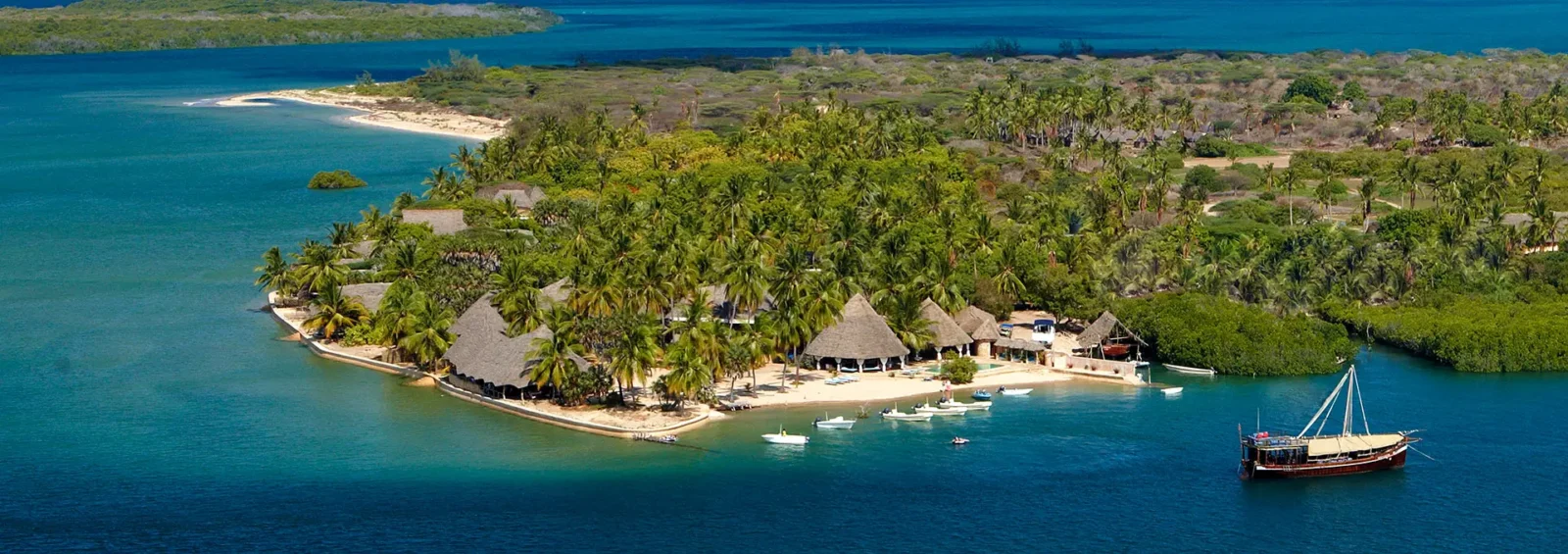
Along the waterfront, traditional wooden dhows remain an essential part of life. These sailing vessels have been used for centuries in trade and fishing across the Indian Ocean.
At sunset, dhows set sail across the water, their triangular sails catching the wind as they move silently along the coastline. This is one of the most iconic and peaceful experiences in Lamu—watching the ocean turn golden as boats glide across the horizon.
Sailing trips are also popular for visitors, offering a chance to explore nearby islands, sandbanks, and secluded beaches while experiencing traditional navigation techniques still used by local fishermen.
Lamu Old Town: A Living Museum
Unlike many heritage sites that feel frozen or purely tourist-oriented, Lamu Old Town is a living, functioning community. People still live, work, and trade within the historic buildings.
Markets are active in the mornings, selling fresh fish, spices, vegetables, and handmade goods. Children walk to school through narrow streets, and artisans continue traditional crafts such as wood carving and boat building.
This blend of daily life and historical preservation gives Lamu a rare authenticity. It is not a reconstructed heritage site—it is a place where history continues to evolve naturally.
Beaches and Coastal Escape
Beyond the old town, Lamu Island also offers quiet, untouched beaches. Unlike more developed coastal destinations, these beaches remain largely natural, with soft sand, mangroves, and minimal infrastructure.
Shela Beach, in particular, is known for its long stretch of white sand and calm waters. It is a peaceful place for walking, swimming, or simply sitting by the ocean without interruption.
The contrast between the historic town and the open coastline creates a balanced travel experience—culture and relaxation existing side by side.
Festivals and Cultural Life
Lamu is also known for its cultural events, most notably the Lamu Cultural Festival, which celebrates Swahili heritage through traditional dhow races, music, dance, and crafts.
During festival periods, the island becomes more vibrant, attracting visitors and participants from across the region. Dhow sailing competitions are especially popular, showcasing the skill and heritage of local sailors.
These events help preserve cultural traditions while also sharing them with a wider audience.
A Different Kind of Tourism Experience
Traveling to Lamu is not about fast-paced sightseeing or packed itineraries. It is about immersion. The island encourages visitors to slow down, observe, and participate in daily rhythms rather than rush through attractions.
There are no loud transport systems or heavy traffic. Instead, the experience is defined by simplicity—walking, sailing, talking, and observing.
This makes Lamu especially appealing to travelers seeking authenticity, cultural depth, and quiet reflection.
Preservation and Modern Challenges
While Lamu retains much of its historical character, it also faces modern challenges. Rising development pressures, climate change, and environmental concerns around the coastline all pose risks to its fragile heritage.
Efforts to preserve the town involve both local communities and international organizations, focusing on maintaining architectural integrity, protecting marine ecosystems, and supporting sustainable tourism.
Balancing preservation with development is an ongoing process, but one that is essential to maintaining Lamu’s identity.
Final Reflection
Lamu Island is more than a destination—it is a living cultural landscape. It represents one of the last places in East Africa where traditional Swahili coastal life continues in a deeply authentic form.
From its car-free streets and ancient architecture to its sailing dhows and quiet beaches, Lamu offers a rare kind of travel experience rooted in history, simplicity, and human connection.
For those who reach it, the island does not just offer scenery—it offers perspective.