
Malindi and Watamu: Kenya’s Underrated Beach Destinations
A Quieter Stretch of Kenya’s Indian Ocean Coast
Along the northern section of Kenya’s coastline, where the ocean shifts between turquoise lagoons, coral reefs, and soft sandy beaches, lie two destinations that often surprise first-time visitors: Malindi and Watamu.
Compared to the more widely known Diani Beach, these coastal towns feel quieter, more laid-back, and in many ways more authentic. Life here moves at a gentle pace shaped by tides, fishing traditions, and centuries of Swahili coastal culture. For travelers seeking space, nature, and a deeper connection to Kenya’s coastline, Malindi and Watamu offer a different kind of beach experience—less crowded, more intimate, and strongly tied to marine ecosystems.
The Coastal Character of Malindi
Malindi is one of Kenya’s oldest coastal settlements, with a history that stretches back centuries as part of the wider Swahili trading network. Merchants from Arabia, Persia, India, and later Europe passed through this coastline, leaving cultural and architectural influences that still shape the town today.
Walking through Malindi, you encounter a blend of old and new—traditional Swahili houses, Italian-inspired restaurants, beach resorts, and fishing communities all existing side by side. This cultural layering gives the town a distinct identity that feels both historical and cosmopolitan.
The beaches around Malindi are long, warm, and often quiet. At low tide, the ocean retreats far out, revealing sandbanks and shallow pools that stretch toward the horizon. It is a place where the rhythm of the sea defines daily life, especially for local fishermen who rely on the ocean as their primary source of livelihood.
Watamu: A Marine Paradise
Just south of Malindi lies Watamu Marine National Park, one of the most important marine conservation areas on the East African coast. Watamu is widely regarded as a paradise for snorkeling, diving, and marine exploration due to its protected coral reefs and rich biodiversity.
Unlike many coastal destinations where marine life has been heavily impacted by tourism or development, Watamu has managed to maintain a relatively healthy underwater ecosystem. Coral gardens, seagrass beds, and mangrove forests support a wide variety of marine species, including tropical fish, sea turtles, dolphins, and occasionally whale sharks during migration seasons.
The marine park plays a critical role in protecting this fragile ecosystem, regulating fishing activities and supporting conservation initiatives that help preserve coral health and biodiversity.
Beaches That Feel Undiscovered
One of the defining qualities of both Malindi and Watamu is the sense of space. Even during peak travel periods, the beaches rarely feel overcrowded. Long stretches of sand remain open and quiet, offering visitors the chance to walk for kilometers without interruption.
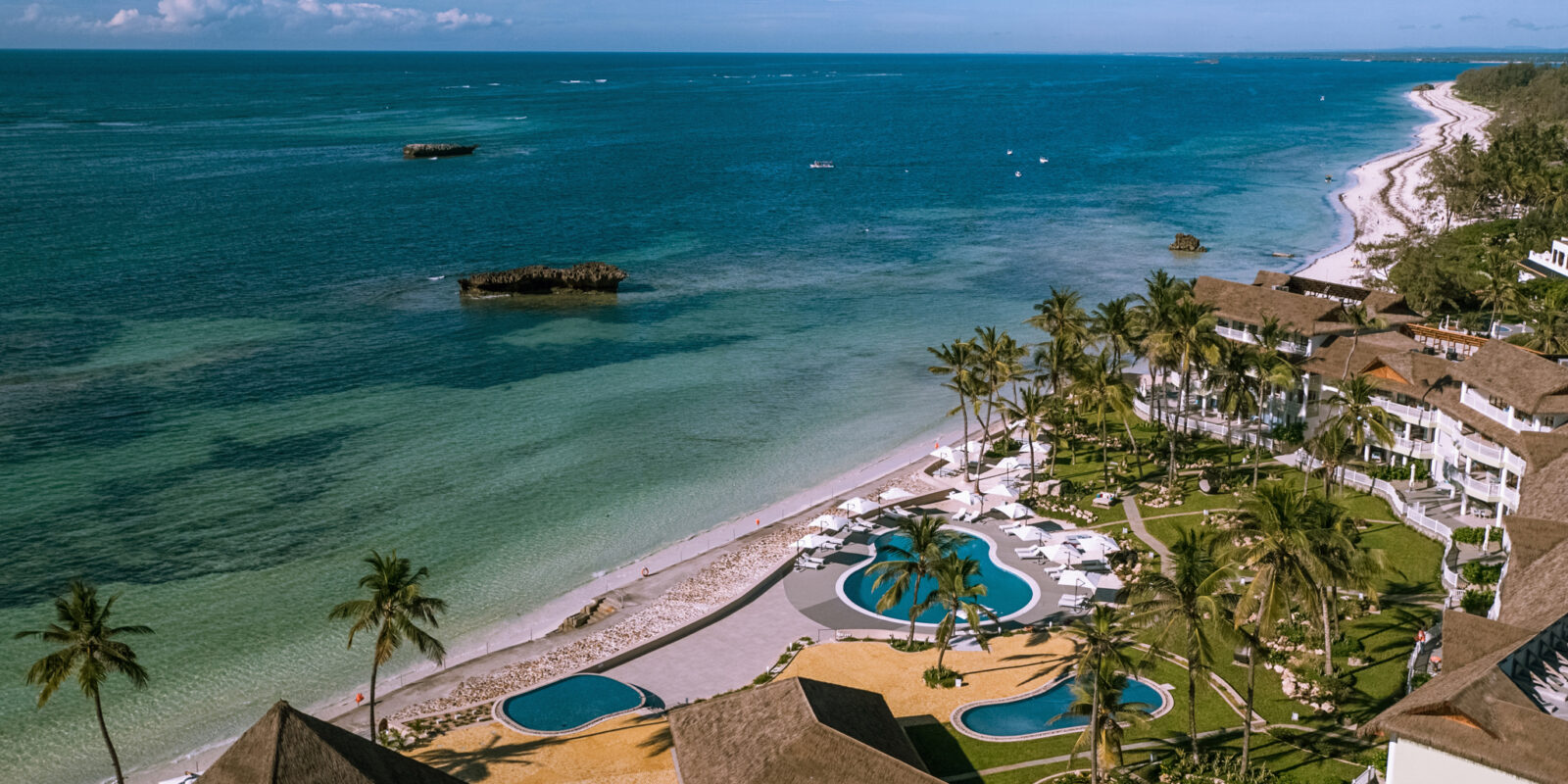
Watamu’s beaches are especially known for their soft white sand and clear waters, often framed by coral rock formations and shallow lagoons. Malindi’s coastline, on the other hand, is slightly more varied, with areas of resort development alongside quieter, less developed sections.
This balance between development and natural space allows visitors to choose their experience—whether that means a lively beachfront stay or a secluded coastal escape.
Marine Life and Ocean Experiences
The waters around Malindi and Watamu are among the richest marine environments in the region. Snorkeling trips often reveal vibrant coral reefs filled with parrotfish, angelfish, and butterflyfish, while deeper waters attract larger marine life.
Dolphin-watching excursions are a popular activity, especially in Watamu, where pods of dolphins are frequently spotted offshore. During certain seasons, whale sharks pass through deeper waters, offering rare but unforgettable sightings for divers.
Glass-bottom boat tours provide a more relaxed way to explore the marine park, allowing visitors to observe coral formations and fish without entering the water.
Mangroves and Coastal Ecosystems
Beyond the beaches and reefs, the region is also home to important mangrove forests, particularly around river estuaries and protected bays. These mangroves play a crucial ecological role, stabilizing the coastline, filtering water, and providing breeding grounds for fish and other marine species.
Boat trips through mangrove channels offer a quieter, more reflective experience of the coast. The stillness of the water, combined with dense green vegetation and birdlife, creates a completely different atmosphere from the open ocean beaches.
Cultural Influences and Coastal Life
The cultural identity of Malindi and Watamu is deeply connected to the Swahili coast, where centuries of interaction between African, Arab, and Asian cultures have shaped local traditions.
This influence is visible in architecture, cuisine, language, and daily life. Coral stone buildings, carved wooden doors, and coastal mosques reflect this blended heritage. Local markets and fishing villages continue to operate in traditional ways, preserving practices that have existed for generations.
Seafood is central to the local diet, with dishes often featuring grilled fish, coconut-based curries, and spiced rice influenced by Swahili culinary traditions. Meals are typically fresh, simple, and closely tied to what the ocean provides each day.
A Slower, More Reflective Travel Experience
Unlike busier tourist hubs, Malindi and Watamu encourage a slower pace of travel. Days are often structured around tides rather than schedules—morning swims, midday rest, late afternoon walks along the beach, and quiet evenings by the ocean.
This rhythm appeals to travelers looking for relaxation after safari adventures or those seeking a more peaceful coastal retreat. The environment naturally encourages stillness, reflection, and a deeper appreciation of nature’s cycles.
Accessibility and Travel Connections
Both Malindi and Watamu are accessible by road and air, with Malindi having its own airport offering connections to Nairobi and other major towns. This makes the region relatively easy to combine with inland safari circuits or other coastal destinations like Diani.
Travel between Malindi and Watamu is also straightforward, with a short drive connecting the two towns along the coastline.
Final Reflection
Malindi and Watamu may not always appear at the top of mainstream travel lists, but they offer some of the most rewarding coastal experiences in Kenya. Their strength lies in balance—between culture and nature, development and conservation, activity and stillness.
For travelers willing to explore beyond the more famous beach destinations, this stretch of coastline reveals a quieter, more authentic side of the Indian Ocean. It is a place where coral reefs, mangroves, and Swahili heritage come together to create a coastal experience that feels both timeless and deeply alive.