
Laikipia Plateau: Kenya’s Rhino, Wild Dog and Elephant Country
Laikipia Plateau is one of Kenya’s most progressive and wildlife-rich conservation landscapes, offering a unique blend of luxury safaris, community conservation, and exceptional biodiversity. Located north of Mount Kenya and stretching across vast ranchlands and conservancies, Laikipia has quietly become one of East Africa’s most important regions for wildlife protection—particularly for endangered species.
Unlike traditional national parks, Laikipia is a mosaic of private conservancies, community lands, and working ranches. This structure allows for flexible, low-impact tourism and innovative conservation models that directly involve local communities. The result is a safari experience that feels exclusive, purposeful, and deeply connected to conservation.
For travelers seeking more than just game drives—for those interested in sustainability, rare species, and uncrowded wilderness—Laikipia offers one of the most compelling safari destinations in Africa.
Geography and Landscape: A Diverse Ecosystem
The landscape of Laikipia Plateau is remarkably diverse, ranging from open savannah and rolling hills to riverine forests and dramatic escarpments. Sitting at an altitude between 1,700 and 2,500 meters, the plateau enjoys a cooler climate compared to lower-altitude parks, making it comfortable for year-round exploration.
Mount Kenya forms a striking backdrop to the region, often visible on clear mornings. Seasonal rivers and permanent water sources cut through the terrain, creating pockets of lush vegetation that attract wildlife.
This environmental diversity supports a wide range of species and allows for varied safari activities, from traditional game drives to walking safaris, horseback riding, and even camel trekking.
A Stronghold for Rhinos
Laikipia is one of the most important regions in East Africa for rhino conservation. Both black and white rhinos are found here, with several conservancies playing a critical role in protecting these endangered animals.
Private conservancies such as Ol Pejeta Conservancy have become global leaders in rhino conservation. Ol Pejeta is home to the last two remaining northern white rhinos on Earth, making it a site of immense conservation significance.
Anti-poaching measures in Laikipia are among the most advanced in Africa, including ranger patrols, surveillance technology, and community engagement programs. Visitors have the rare opportunity to see rhinos in a well-protected environment while contributing directly to their conservation.
African Wild Dogs: Rare and Elusive Predators
Laikipia is also one of the best places in Kenya to see African wild dogs, one of the continent’s most endangered predators. These highly social animals are known for their cooperative hunting strategies and complex pack dynamics.
Wild dogs require large territories and minimal human disturbance, conditions that Laikipia provides through its network of conservancies. Sightings are not guaranteed, but when they occur, they are among the most thrilling experiences in African wildlife viewing.
The presence of wild dogs highlights the ecological health of the region and its importance as a conservation stronghold.
Elephant Conservation and Movement Corridors
Elephants are another key feature of Laikipia’s ecosystem. The plateau serves as an important corridor for elephant movement between different regions of Kenya.
Large herds can often be seen moving across the landscape, particularly near water sources. The coexistence of elephants with local communities and ranching operations is a central focus of conservation efforts in the area.
Organizations such as Space for Giants work within Laikipia to mitigate human-wildlife conflict and protect elephant populations.
Beyond the Big Three: Diverse Wildlife
While rhinos, wild dogs, and elephants are headline species, Laikipia supports a wide range of wildlife. Lions, leopards, cheetahs, giraffes, zebras, and numerous antelope species are all present.
The region is also home to Grevy’s zebra and reticulated giraffe, linking it ecologically to northern Kenya’s unique species. Birdlife is abundant, with hundreds of species recorded across different habitats.
The diversity of wildlife, combined with low visitor numbers, creates a safari experience that feels both rich and exclusive.
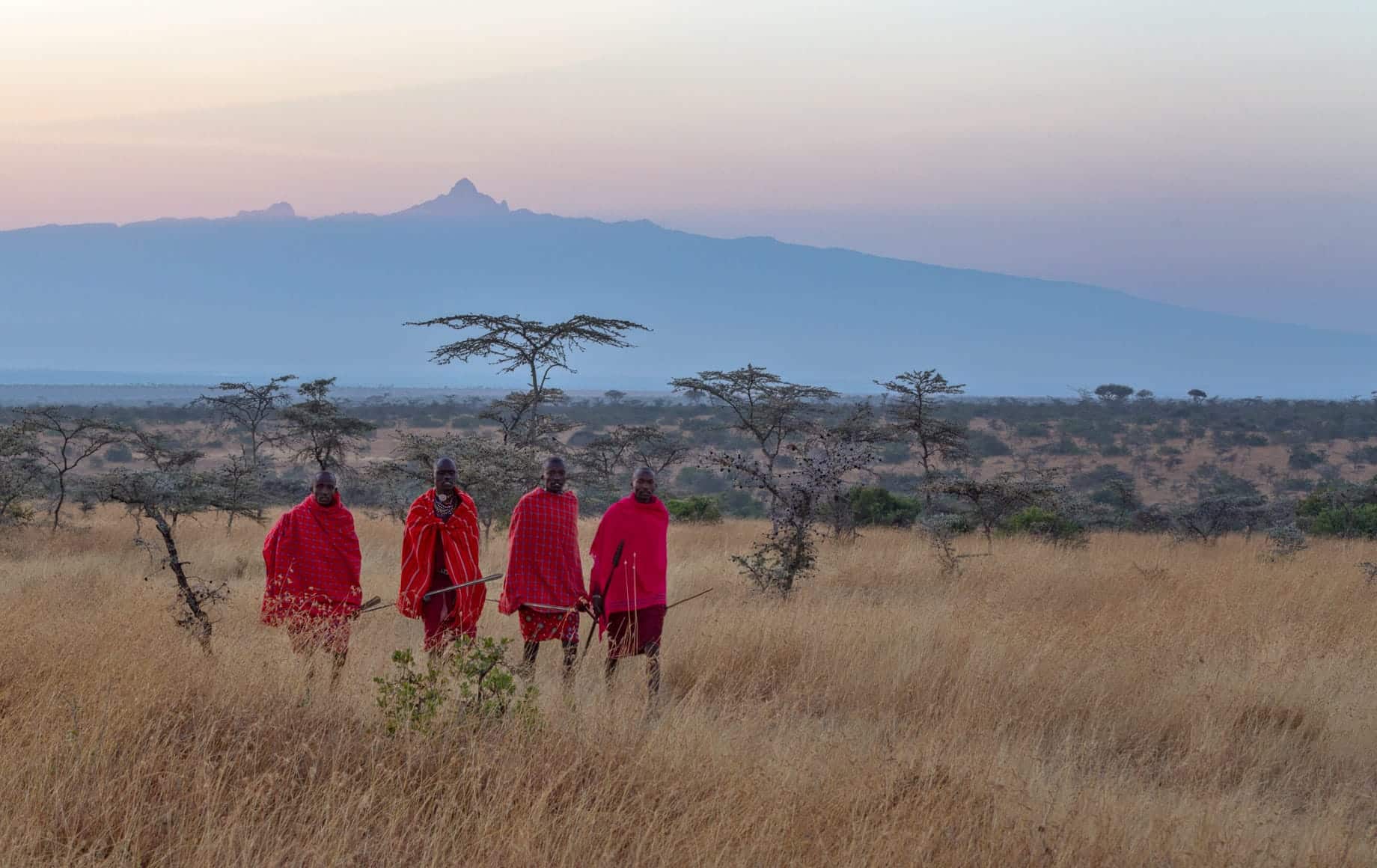
A Model for Conservation and Community Partnership
One of Laikipia’s most important contributions to conservation is its innovative approach to land use and community involvement. Unlike traditional national parks, where local communities may be excluded, Laikipia integrates conservation with livelihoods.
Many conservancies are community-owned or operate in partnership with local groups, ensuring that tourism revenue supports education, healthcare, and infrastructure. This model creates incentives for conservation and reduces conflict between wildlife and people.
For travelers, this means that a safari in Laikipia is not just about wildlife—it is about supporting a sustainable and ethical approach to conservation.
Safari Activities Beyond Game Drives
Laikipia offers a wider range of safari activities than most traditional parks. In addition to game drives, visitors can experience:
- Guided walking safaris
- Horseback safaris
- Camel trekking with local guides
- Night game drives (allowed in conservancies)
- Cultural visits to local communities
These activities provide different perspectives on the landscape and deepen the overall experience. Walking and riding safaris, in particular, create a more intimate connection with the environment.
Accommodation: Exclusive and Eco-Conscious
Accommodation in Laikipia is characterized by exclusivity and sustainability. Many lodges are small, high-end properties designed to blend seamlessly with the environment.
Examples include lodges within Ol Pejeta Conservancy and other private conservancies, offering personalized service and direct access to wildlife areas.
Because visitor numbers are limited, guests often enjoy private or semi-private safari experiences, enhancing the sense of exclusivity.
Accessibility and Getting There
Laikipia is relatively easy to access compared to more remote safari destinations. Travelers can fly from Nairobi to airstrips within the region or drive in approximately 4–5 hours.
Its proximity to Nairobi makes it an excellent addition to a Kenya safari itinerary, particularly for those looking to combine wildlife with conservation-focused travel.
Best Time to Visit Laikipia
Laikipia is a year-round destination, thanks to its stable climate and diverse habitats.
- Dry seasons (June to October, December to March): Best for wildlife viewing
- Wet seasons (April to May, November): Greener landscapes and excellent birdwatching
Wildlife sightings remain strong throughout the year, making timing less critical than in migration-dependent areas.
Why Choose Laikipia Plateau
Laikipia stands out for its combination of conservation impact, rare wildlife, and exclusive experiences. It offers:
- Exceptional rhino sightings
- Opportunities to see African wild dogs
- Strong elephant populations
- Low visitor density
- Innovative conservation models
- Diverse safari activities
It is particularly suited for travelers who value sustainability and want their safari to contribute positively to conservation.
Final Thoughts on Laikipia Plateau
Laikipia Plateau represents the future of safari travel—where conservation, community, and tourism work together. It is a destination that goes beyond traditional wildlife viewing, offering insight into how ecosystems can be protected in a modern world.
For those seeking a safari that is both meaningful and memorable, Laikipia delivers an experience that is as impactful as it is unforgettable.