
Fly Camping in Tanzania: The Ultimate Wild Sleepout
Introduction to Fly Camping
Fly camping in Tanzania represents one of the most authentic and immersive safari experiences available anywhere in Africa. It is a concept that strips away the layers of comfort and distance typically associated with traditional safaris and replaces them with something far more profound—direct, uninterrupted connection with the natural world. In a time when many travel experiences are curated, structured, and predictable, fly camping offers something rare: unpredictability, intimacy, and raw wilderness.
This is not just a different way to spend the night on safari; it is a shift in perspective. Instead of retreating to a lodge after a game drive, you remain in the bush. You stay where the wildlife lives. You fall asleep to the distant roar of lions and wake up to the quiet movement of the savannah coming to life. The experience is designed for those who want to feel Africa, not just see it.
Fly camping has grown in popularity among seasoned safari travelers who are looking to go beyond the conventional. It is often described as the ultimate “bush experience,” where simplicity enhances rather than diminishes the overall journey.
What Exactly is Fly Camping?
At its core, fly camping is a lightweight, mobile camping experience set up temporarily in remote wilderness areas. Unlike permanent tented camps or luxury lodges, fly camps are established for a single night or a short stay and then dismantled without leaving a trace. The term “fly” refers to the simplicity and mobility of the setup, not to insects, though being in the wild naturally includes sharing space with nature.
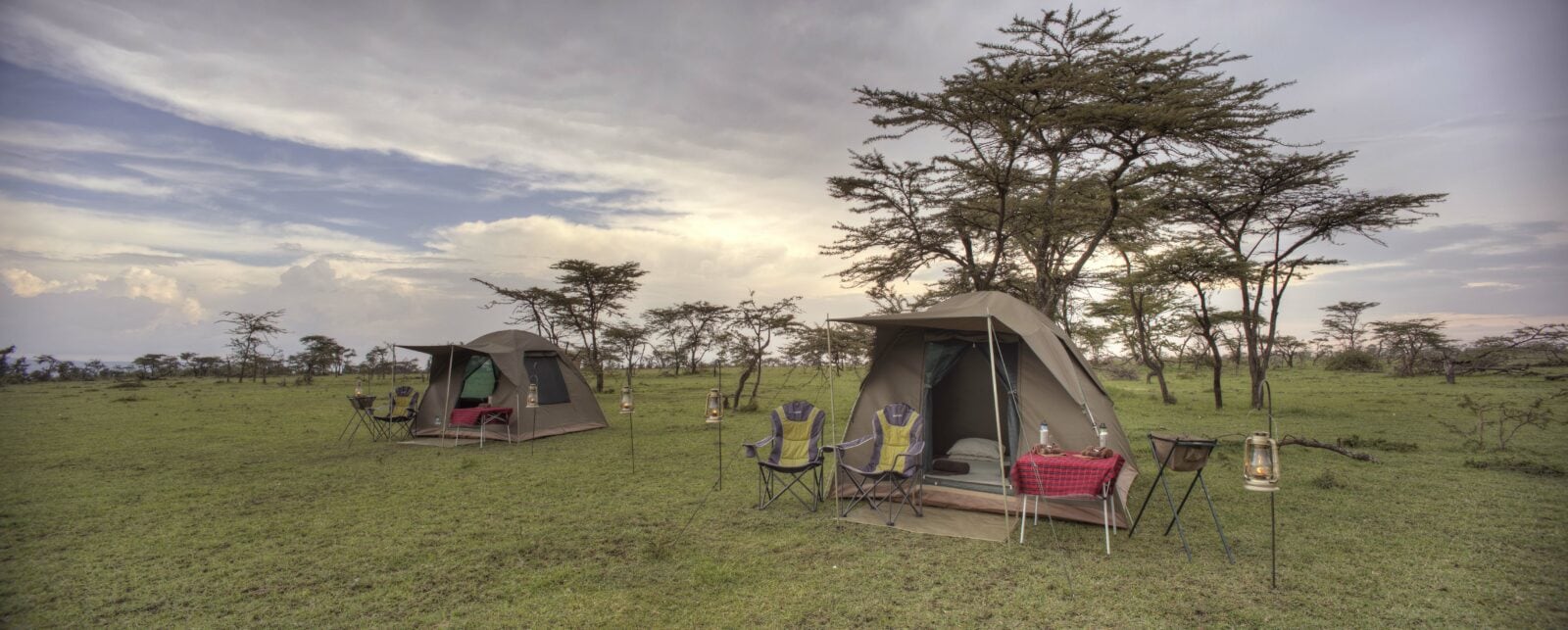
The camp itself is intentionally minimal. Guests typically sleep in small dome tents or, in some cases, directly under the stars on a comfortable bedroll covered by a mosquito net. The setup is designed to be functional, safe, and unobtrusive. There are no permanent structures, no electricity, and no barriers separating you from the environment.
Despite its simplicity, fly camping is far from uncomfortable. Essential elements are carefully managed by a small, skilled team that usually includes a professional guide, a cook, and an armed ranger. Meals are freshly prepared over an open fire, often exceeding expectations in both quality and presentation. Bucket showers and eco-friendly toilet arrangements are provided, ensuring basic hygiene without compromising the natural setting.
What defines fly camping is not the absence of luxury, but the presence of authenticity. Every aspect of the experience is designed to immerse you in the rhythms of the wilderness.
Where Fly Camping Takes Place in Tanzania
Fly camping is not offered everywhere. It requires specific conditions—remote locations, low visitor density, and a safe environment for walking safaris. In Tanzania, several destinations stand out as ideal for this type of experience.
The southern circuit is widely regarded as the best region for fly camping. Selous Game Reserve—now largely incorporated into Nyerere National Park—is perhaps the most iconic location. Its vast, untamed wilderness, intersected by rivers and dotted with lakes, provides a perfect setting for walking safaris and overnight bush camps. The sense of scale here is immense, and the absence of crowds enhances the feeling of true isolation.
Ruaha National Park is another exceptional destination. Known for its rugged terrain, baobab-studded landscapes, and high concentration of predators, Ruaha offers a more dramatic and intense environment. Fly camping here often includes encounters with elephants, lions, and a wide variety of birdlife, all experienced on foot and from camp.
In northern Tanzania, opportunities are more limited but still possible. Tarangire National Park occasionally offers seasonal fly camping in quieter areas, particularly during periods of low visitor numbers. Serengeti National Park may also provide controlled versions of the experience through mobile camps, though these are typically more structured.
The choice of location significantly influences the experience. Southern Tanzania tends to offer deeper immersion and greater exclusivity, while northern parks provide accessibility and integration with classic safari routes.
The Daily Rhythm of a Fly Camping Experience
Fly camping follows a natural rhythm that aligns closely with the environment. The experience often begins with a walking safari, which is a key component of the adventure. Walking in the bush transforms the way you perceive the landscape. Instead of viewing wildlife from a vehicle, you engage with the environment at ground level. You notice details—tracks in the sand, the scent of vegetation, the subtle sounds of movement—that are often missed during game drives.
Guides play a crucial role during these walks, interpreting the landscape and explaining the interconnectedness of the ecosystem. You learn how to identify animal tracks, understand feeding patterns, and recognize signs of recent activity. This knowledge deepens your appreciation of the environment and enhances your awareness.
As the day transitions into evening, the camp is set up in a carefully selected location. Safety is paramount, and sites are chosen based on terrain, visibility, and wildlife movement patterns. Once the camp is established, the atmosphere becomes relaxed and intimate.
Evenings revolve around the campfire. This is where stories are shared, meals are prepared, and the experience becomes social and reflective. The absence of artificial light reveals a sky filled with stars, often more vivid than anything seen in urban environments. The sounds of the bush—distant calls, rustling leaves, nocturnal movements—create a soundtrack that is both calming and exhilarating.
Sleeping in the wild is a transformative experience. With only a thin layer of canvas or netting between you and the environment, you become acutely aware of your surroundings. It is not uncommon to hear animals moving nearby, though they rarely approach the camp itself due to the presence of guides and the fire.
Morning begins early, often with tea or coffee served as the sun rises. The bush comes alive at this time, and the cool air makes it ideal for another walk or a short game drive before returning to the main camp or continuing the journey.
Safety and Professional Management
Despite its adventurous nature, fly camping is conducted with a high level of professionalism and strict safety protocols. The presence of experienced guides and armed rangers ensures that risks are carefully managed.
Camps are never set up randomly. Locations are scouted in advance, taking into account animal movement, terrain, and visibility. Guests are briefed on safety procedures, including how to behave in camp and what to do if wildlife is nearby.
Movement at night is typically restricted and always accompanied by a guide. This is not a limitation but a necessary precaution that allows guests to relax and enjoy the experience without concern.
Emergency communication systems are in place, and staff are trained to respond to a range of situations. While the experience feels wild, it is supported by a strong framework of safety and expertise.
The Psychological and Emotional Impact
One of the most overlooked aspects of fly camping is its psychological impact. Being in the wild without the usual distractions of modern life creates space for reflection and clarity. The absence of noise, screens, and schedules allows you to reconnect with your thoughts and with nature.
Many travelers describe fly camping as transformative. It challenges comfort zones, heightens awareness, and fosters a deeper appreciation for simplicity. The experience often leads to a renewed sense of perspective, where the essentials of life—shelter, food, safety, and connection—become more meaningful.
This emotional dimension is what sets fly camping apart from other safari experiences. It is not just about wildlife; it is about presence.
Best Time for Fly Camping in Tanzania
Timing is an important factor in planning a fly camping experience. The dry season, typically from June to October, is considered the best period. During this time, weather conditions are stable, vegetation is less dense, and wildlife is easier to locate.
Walking safaris are more comfortable in dry conditions, and campsites are easier to manage. The risk of rain disrupting the experience is minimal, making it the preferred season for most operators.
While the green season offers lush landscapes and fewer visitors, fly camping is less common due to logistical challenges and unpredictable weather. However, for those willing to embrace these conditions, it can offer a different kind of beauty.
Who Should Consider Fly Camping
Fly camping is not for everyone, and that is precisely its appeal. It is best suited for travelers who are comfortable with a basic level of comfort and who value experience over luxury.
A moderate level of fitness is recommended, particularly for those participating in walking safaris. The experience requires adaptability, curiosity, and a willingness to step outside conventional travel norms.
It is particularly appealing to repeat safari-goers, photographers, and adventurers who are seeking something deeper and more personal.
Final Thoughts on Fly Camping in Tanzania
Fly camping in Tanzania is the ultimate expression of what a safari can be—raw, immersive, and unforgettable. It removes the barriers between you and the wilderness, allowing you to experience Africa in its purest form.
This is not about luxury or convenience. It is about authenticity, connection, and discovery. It is about listening to the night, watching the stars, and waking up in a place where nature is not a backdrop, but a living, breathing presence.
For those who are ready to embrace it, fly camping is more than a night in the bush. It is a return to something fundamental—a reminder of what it means to truly be in the wild.