
Tanzania’s Maasai People: Culture, Lifestyle and Village Visits
The Maasai are among the most iconic and recognizable groups in Tanzania. Known for their striking red shukas (cloaks), intricate beadwork, and deep connection to the land, the Maasai have maintained a traditional lifestyle despite modern influences and tourism. Visiting a Maasai village offers travelers a window into their culture, daily routines, and enduring customs.
Who Are the Maasai?
The Maasai are semi-nomadic pastoralists, primarily raising cattle across the northern regions of Tanzania and southern Kenya. Cattle are central to Maasai culture — not only a source of food and income but also a symbol of wealth, social status, and spiritual life.
Their society is organized around clans, with elders holding authority over decision-making, conflict resolution, and rituals. Young Maasai men undergo traditional initiation ceremonies as part of their journey into adulthood, while women play key roles in household management, childcare, and beadwork craftsmanship.
Maasai Lifestyle and Traditions
Clothing and Adornment
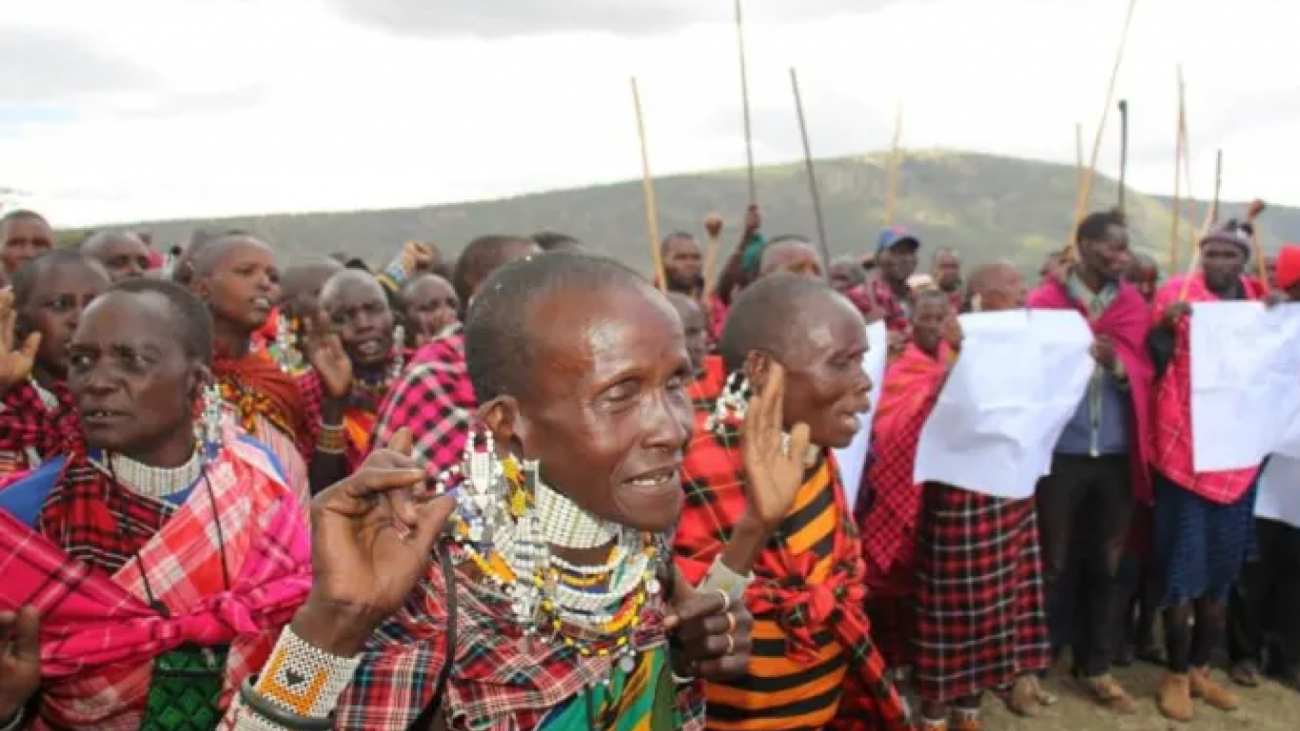
The traditional Maasai attire is instantly recognizable. Men typically wear red shukas, sometimes adorned with cowhide or leather accessories, while women wear colorful beaded necklaces, bracelets, and earrings. Beadwork is not just decorative — it communicates age, marital status, and social standing.
Diet and Daily Life
The Maasai diet traditionally revolves around milk, meat, and blood from cattle. While modern influences have introduced vegetables, grains, and tea, cattle remain central to their nutrition and culture. Daily routines include herding cattle, collecting firewood, and maintaining homes made from mud, sticks, and cow dung.
Ceremonies and Spiritual Life
Rituals and ceremonies are integral to Maasai life. Initiation ceremonies for boys and girls mark key stages of life. Blessings and dances accompany weddings, and communal gatherings celebrate seasonal changes, harvests, and livestock blessings.
Spirituality is deeply rooted in belief in Enkai (God), who is associated with the sky, rain, and fertility of the land. Elders act as intermediaries between the community and spiritual forces.
Visiting a Maasai Village
A visit to a Maasai village, often called a “Boma”, provides travelers with an intimate look at daily life. Activities may include:
- Guided tours of the village, learning about the homes, livestock enclosures, and cooking methods.
- Beadwork demonstrations, where visitors see how necklaces, bracelets, and belts are made.
- Cultural performances, including traditional songs, dances, and jumping rituals.
- Interaction with children and community members, gaining insight into Maasai education and family life.
It’s important to approach visits respectfully. Some villages charge an entrance fee or request donations, which help support local schools, health services, and community projects.
Impact of Tourism
Tourism has both positive and challenging impacts on Maasai communities.
Positive effects include:
- Income from village visits, craft sales, and cultural performances.
- Opportunities for education and healthcare funded by tourism revenue.
- Preservation of cultural identity and pride in heritage.
Challenges include:
- Commercialization of traditions for tourist appeal.
- Pressure on natural resources and grazing land.
- Balancing traditional lifestyle with modern influences.
Responsible tourism practices ensure that interactions are mutually beneficial and respectful, supporting the Maasai rather than exploiting their culture.
Best Areas to Experience Maasai Culture
Maasai communities are concentrated near northern Tanzania’s safari destinations:
- Ngorongoro Conservation Area – Visitors can tour Maasai villages with spectacular crater views.
- Tarangire National Park – Known for its large Maasai settlements and iconic baobab-studded landscapes.
- Serengeti National Park outskirts – Maasai coexist with wildlife, offering authentic cultural encounters.
- Lake Manyara region – Smaller, family-run villages provide intimate experiences with daily life.
Tips for Visiting Maasai Villages
- Go with a reputable guide or tour company to ensure ethical practices.
- Ask before taking photos, especially of individuals or ceremonies.
- Respect customs, including greetings, dress, and behaviors.
- Support local crafts by purchasing directly from artisans.
- Be mindful of donations, giving to community projects rather than individuals whenever possible.
Why Maasai Culture Matters
The Maasai represent a resilient culture that has survived colonization, modernization, and changing political landscapes while maintaining traditions and social cohesion. For travelers, engaging with Maasai communities offers more than just a cultural snapshot — it’s an opportunity to understand a worldview built around community, respect for the environment, and connection to the land.
Final Thoughts
Experiencing the Maasai people and their villages is an enriching part of any Tanzanian journey. Whether you are on a northern safari or exploring the areas around Lake Manyara or Ngorongoro, taking the time to visit a Maasai Boma provides insight into a culture that remains vibrant, dynamic, and deeply rooted in the rhythms of nature.
Respect, curiosity, and thoughtful engagement ensure that your visit supports the community while offering an unforgettable cultural experience that complements Tanzania’s natural wonders.