
Tanzania Visa on Arrival vs e-Visa: Complete 2025 Guide
Planning a safari or beach holiday in Tanzania involves one important step before you even board your flight — choosing the right visa. In 2025, travelers still have two main options: Visa on Arrival (VoA) and the e-Visa.
While both allow entry into Tanzania (including Zanzibar), they differ significantly in convenience, processing time, and reliability. With changing policies and ongoing improvements to the immigration system, understanding these differences is more important than ever.
Understanding the Two Visa Options
A Visa on Arrival is obtained after landing at a Tanzanian airport or border. You fill out forms, pay the fee (usually in cash), and receive a visa stamp before entering the country.
An e-Visa, on the other hand, is applied for online before travel through the official immigration system. Once approved, you receive a confirmation to present on arrival.
Both visas typically allow stays of up to 90 days for tourism, making them suitable for safaris, beach holidays, and short-term visits.
Current 2025 Status: What Has Changed?
Tanzania has been moving toward a more digital visa system. Authorities strongly encourage travelers to apply for an e-Visa in advance, even though Visa on Arrival is still available for many nationalities.
There has been confusion about whether Visa on Arrival would be phased out in 2025. While discussions and proposals have been made, the system has not been fully abolished, and travelers can still obtain visas at entry points.
However, the trend is clear: Tanzania is gradually prioritizing the e-Visa system to reduce congestion and improve efficiency at borders.
Key Differences Between Visa on Arrival and e-Visa
The difference between these two options comes down to preparation versus flexibility.
Visa on Arrival is simple in theory — no advance application is required. But in practice, it can involve long queues, paperwork, and uncertainty at immigration. Processing can take anywhere from 20 minutes to over an hour depending on traffic.
The e-Visa requires planning ahead. You apply online, upload documents, and wait for approval — usually within a few days, though delays can happen.
The biggest advantage of the e-Visa is that you arrive already approved, reducing stress and saving time at the airport.
Requirements for Both Visa Types
Whether you choose Visa on Arrival or e-Visa, the basic requirements are similar.
You must have a passport valid for at least six months, a return or onward ticket, and sometimes proof of accommodation or sufficient funds.
For Visa on Arrival, you will also need cash (usually USD) to pay the visa fee, as card payments are not always reliable.
For e-Visa applications, you’ll need to upload documents and pay online using a card or digital payment method.
Pros and Cons of Visa on Arrival
Visa on Arrival is ideal for last-minute travelers or those who prefer not to deal with online systems. It provides flexibility and immediate processing upon arrival.
However, it comes with drawbacks. Long queues are common, especially during peak tourist seasons. There is also a small risk of delays or complications if documents are incomplete.
Additionally, not all entry points guarantee smooth processing, and payment issues can sometimes arise.
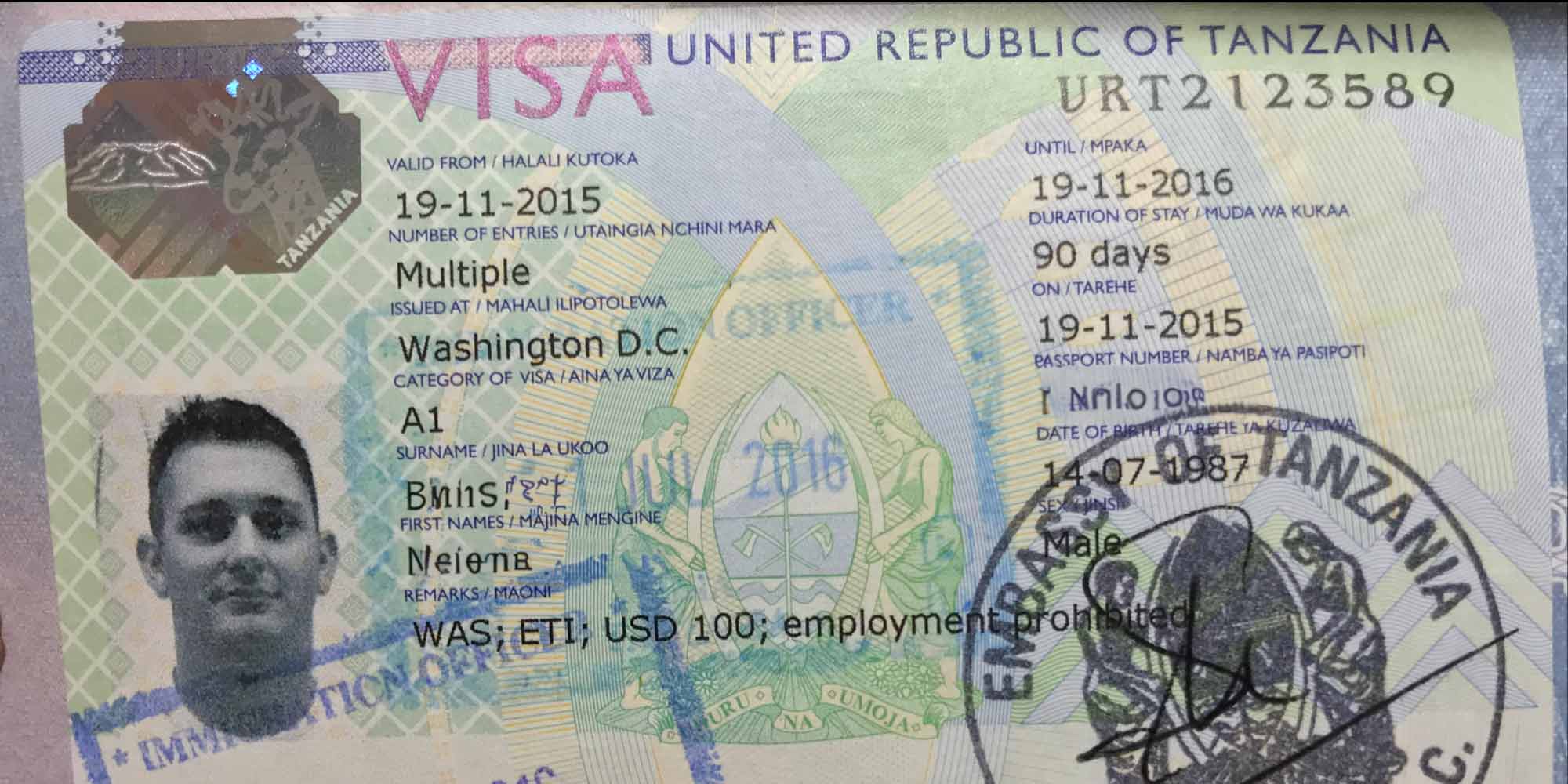
Pros and Cons of the e-Visa
The e-Visa is widely considered the better option for most travelers. It allows you to complete the process before departure, avoid long lines, and reduce the risk of being denied entry at the border.
It is especially useful for travelers on tight schedules, such as those heading directly into safari circuits like the Serengeti or Ngorongoro Crater.
The downside is that it requires advance planning. Processing times can vary, and occasional system delays have been reported, so applying early is essential.
Which Option Should You Choose?
For most travelers in 2025, the answer is simple: choose the e-Visa whenever possible.
It offers convenience, peace of mind, and a smoother arrival experience — especially important after long international flights.
Visa on Arrival remains a useful backup option, particularly if you are traveling last-minute or face issues with the online system. But relying on it as your primary plan is becoming less advisable as Tanzania modernizes its visa process.
Special Considerations for Zanzibar
If your trip includes Zanzibar, note that visa rules are the same as mainland Tanzania. However, travelers to Zanzibar must also comply with additional requirements, such as mandatory travel insurance introduced in recent years.
Practical Tips for a Smooth Entry
Apply for your e-Visa at least two to four weeks before travel to avoid last-minute stress. Double-check that all documents are correct and clearly uploaded.
If you plan to use Visa on Arrival, carry exact cash in US dollars, bring printed travel documents, and be prepared for possible waiting times.
Regardless of your choice, always verify your nationality’s visa eligibility before traveling, as rules can vary.
Final Thoughts
Choosing between Visa on Arrival and e-Visa for Tanzania ultimately comes down to convenience versus flexibility.
In 2025, the shift toward digital processing makes the e-Visa the smarter and more reliable option for most travelers. It aligns with Tanzania’s evolving immigration system and ensures your journey begins smoothly.
That said, Visa on Arrival still provides a valuable safety net — a reminder that even in a rapidly modernizing system, Tanzania retains a level of flexibility that suits adventurous travelers.
Whichever option you choose, the reward is the same: access to one of Africa’s most spectacular destinations, where сафари landscapes and Indian Ocean beaches await.