
Tanzania’s Selous (Nyerere) Game Reserve: Full Safari Guide
Into the Wild Heart of Southern Tanzania
Far from the well-trodden northern safari circuit lies one of Africa’s most expansive and untamed wilderness areas—Nyerere National Park. Formerly known as the Selous Game Reserve, this विशाल landscape remains one of the largest protected ecosystems on the continent, offering a safari experience defined by space, solitude, and raw natural beauty.
Unlike the busier parks of northern Tanzania, Nyerere feels remote and exclusive. Here, the wilderness stretches endlessly, and encounters with wildlife often feel deeply personal—untouched by crowds and guided by the rhythms of nature.
A Landscape Shaped by Water and Wilderness
What sets Nyerere apart is its diversity of landscapes. The park is carved by the mighty Rufiji River, which flows through its heart, creating a network of channels, lagoons, and wetlands.
This abundance of water transforms the environment. Palm-lined नदी banks, open savannah, dense woodlands, and seasonal floodplains all coexist, supporting a rich variety of wildlife.
The Rufiji River is not just a feature—it is the lifeline of the park. It attracts animals in large numbers, especially during the dry season, making it one of the best places in Tanzania to observe wildlife from a completely different perspective.
Wildlife Encounters: Raw and Unfiltered
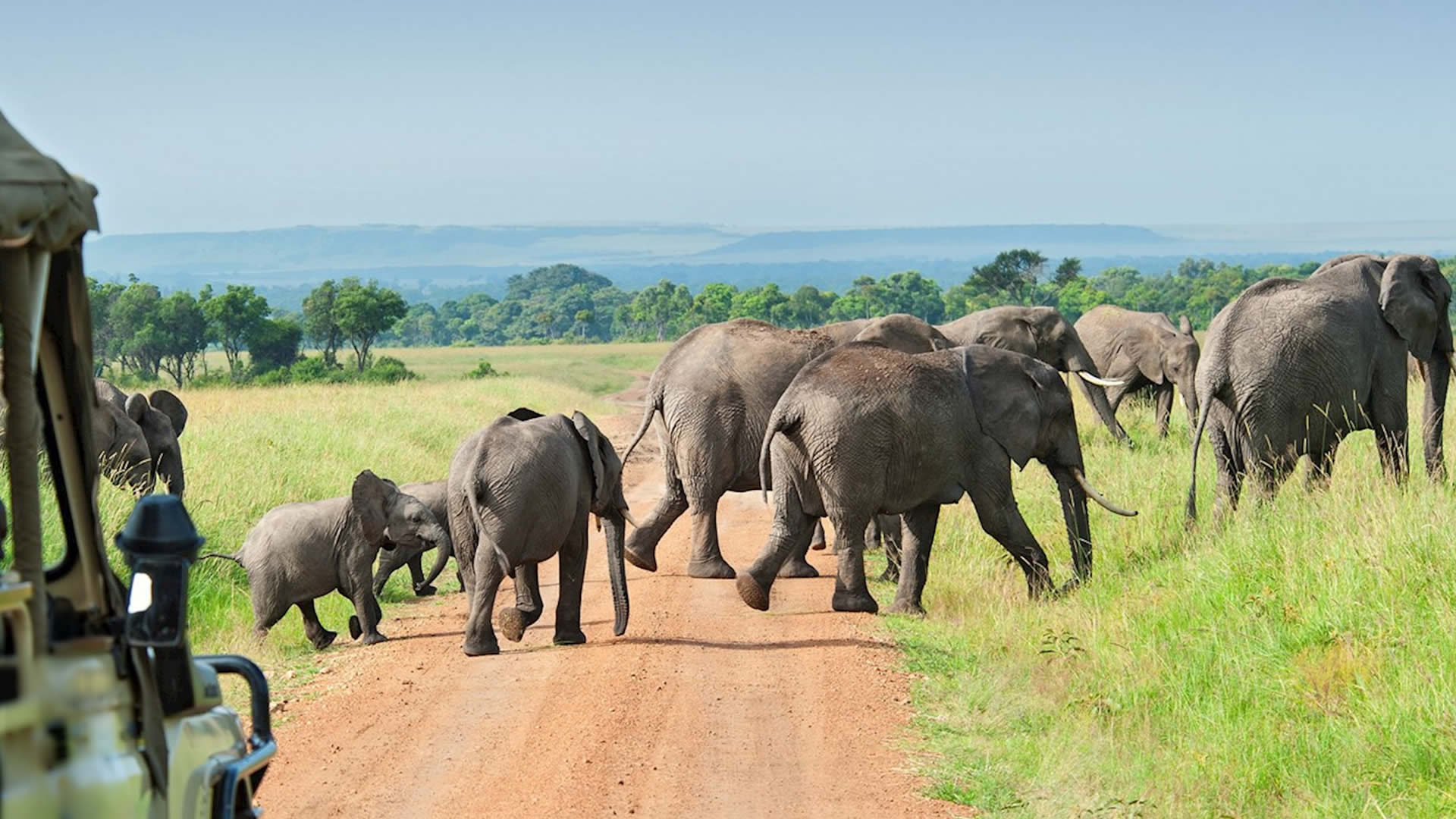
Nyerere National Park is home to an impressive range of wildlife, including elephants, lions, leopards, giraffes, zebras, and large herds of buffalo. It is also one of the last strongholds of the endangered African wild dog, offering rare opportunities to witness these elusive predators in their natural habitat.
What makes wildlife viewing here unique is the sense of unpredictability. Without the heavy concentration of vehicles found in more popular parks, sightings feel more intimate and authentic. You may spend time tracking animals through vast landscapes, rewarded with moments that feel entirely your own.
The park is also a birdwatcher’s paradise, with hundreds of species thriving in its varied ecosystems—from fish eagles along the river to colorful kingfishers darting across the المياه.
Unique Safari Activities
Nyerere offers one of the most diverse safari experiences in Africa, going beyond traditional game drives.
Boat safaris along the Rufiji River are a highlight. Gliding through calm waters, you can watch elephants drinking at the shore, crocodiles basking in the sun, and hippos wallowing in pods. The perspective is शांत and immersive, offering close encounters that feel both safe and thrilling.
Walking safaris are another standout feature. Led by experienced guides, these excursions allow you to explore the bush on foot, learning to read tracks, understand animal behavior, and connect with the environment in a more intimate way.
Classic game drives remain a core activity, especially during early mornings and late afternoons when wildlife is most active. The vastness of the park ensures that each drive feels like a true exploration rather than a predictable route.
Where to Stay
Accommodation in Nyerere National Park ranges from luxury lodges to tented camps, many of which are located along the Rufiji River.
These properties are designed to blend seamlessly into the natural environment, offering comfort without compromising the authenticity of the experience. Open-air lounges, नदी-facing decks, and രാത്ര campfires create an atmosphere that is both relaxed and deeply connected to nature.
Because the park is less crowded, lodges often feel exclusive, with fewer guests and more personalized service.
Getting There
Reaching Nyerere National Park is part of the adventure. Most travelers access the park via a short domestic flight from Dar es Salaam, landing at one of several airstrips within the reserve.
For those seeking a more immersive journey, it is also possible to travel by road, though this takes longer and is less commonly chosen.
The relative remoteness of the park is precisely what preserves its wild character, making the journey worthwhile for those seeking a more authentic safari.
Best Time to Visit
The dry season, from June to October, is considered the best time to visit. During this period, wildlife gathers around water sources, and vegetation is thinner, making animals easier to spot.
The green season, from November to May, brings lush landscapes, fewer visitors, and excellent birdwatching opportunities. While some areas may be less accessible due to rain, the scenery becomes vibrant and full of life.
Each season offers a different perspective, allowing visitors to choose based on their interests and preferences.
Why Choose Nyerere Over Other Parks?
While iconic destinations like Serengeti National Park are known for dramatic wildlife concentrations, Nyerere offers something equally valuable—space and solitude.
Here, the experience is not defined by crowds or competition for sightings, but by a deeper connection to the environment. It is a place where you can truly feel the scale of Africa’s wilderness and the quiet power of nature.
For travelers who have already explored the northern circuit or those seeking a more off-the-beaten-path adventure, Nyerere provides a refreshing alternative.
A Safari Like No Other
A journey into Nyerere National Park is not just about seeing wildlife—it is about experiencing it in its most natural state. The vast landscapes, the winding Rufiji River, and the sense of isolation combine to create a safari that feels both timeless and profound.
It is here, in the quiet corners of southern Tanzania, that you discover a different side of Africa—one that is wild, unfiltered, and deeply unforgettable.