
Serengeti Northern Circuit vs Southern Circuit: Which to Choose?
Choosing between the Northern and Southern regions of Serengeti National Park is one of the most important decisions when planning a safari in Tanzania. Both circuits offer world-class wildlife viewing, but they differ significantly in landscape character, animal density patterns, seasonal highlights, accessibility, and overall safari atmosphere. Understanding these differences is essential if you want to align your trip with specific wildlife goals such as the Great Migration, predator encounters, photography, or crowd levels.
Rather than being two separate parks, the Serengeti is a continuous ecosystem. However, tourism and wildlife movement naturally concentrate into two broad safari zones: the Northern Circuit and the Southern Circuit. Each provides a distinct interpretation of the Serengeti experience.
The Southern Circuit: Open Plains and Calving Season Drama
The Southern Serengeti and adjacent Ngorongoro Conservation Area plains are defined by vast, open grasslands that stretch to the horizon. This is one of the most visually iconic safari landscapes in Africa, offering uninterrupted views and excellent visibility for wildlife observation.
The Southern Circuit becomes especially important between December and March, when the Great Migration herds concentrate in this region for calving. During this period, hundreds of thousands of wildebeest give birth within a short timeframe, creating one of the most dramatic predator-prey environments on Earth. The abundance of newborn calves attracts lions, cheetahs, hyenas, and other predators, resulting in intense but natural survival dynamics.
One of the defining characteristics of this region is openness. Because vegetation is low and the terrain is flat, wildlife is often visible at long distances. This makes it particularly strong for photography and long-range viewing. The sense of space is also psychological; the landscape feels immense and uncluttered, which enhances the feeling of wilderness immersion.
However, this openness also means wildlife can be more dispersed outside the calving season. During transitional months, animals may spread out, requiring more driving time to locate activity compared to more concentrated northern regions.
The Northern Circuit: Rivers, Drama, and Year-Round Wildlife Concentration
The Northern Serengeti is defined by more varied terrain, including river systems, rolling hills, and woodland areas. It becomes globally famous between July and October due to the dramatic river crossings at the Mara River, where migrating herds attempt to cross crocodile-filled waters while facing pressure from predators on both banks.
This region delivers some of the most intense wildlife action in Africa. River crossings are unpredictable and highly dependent on herd movement and water conditions, but when they happen, they create high-density wildlife scenes that are unmatched in spectacle.
Outside migration season, the Northern Circuit still offers excellent game viewing due to permanent resident wildlife populations and varied habitats. Elephants, giraffes, buffalo, lions, leopards, and other species remain present throughout the year. The presence of river systems ensures more consistent wildlife activity compared to more seasonal southern grasslands.
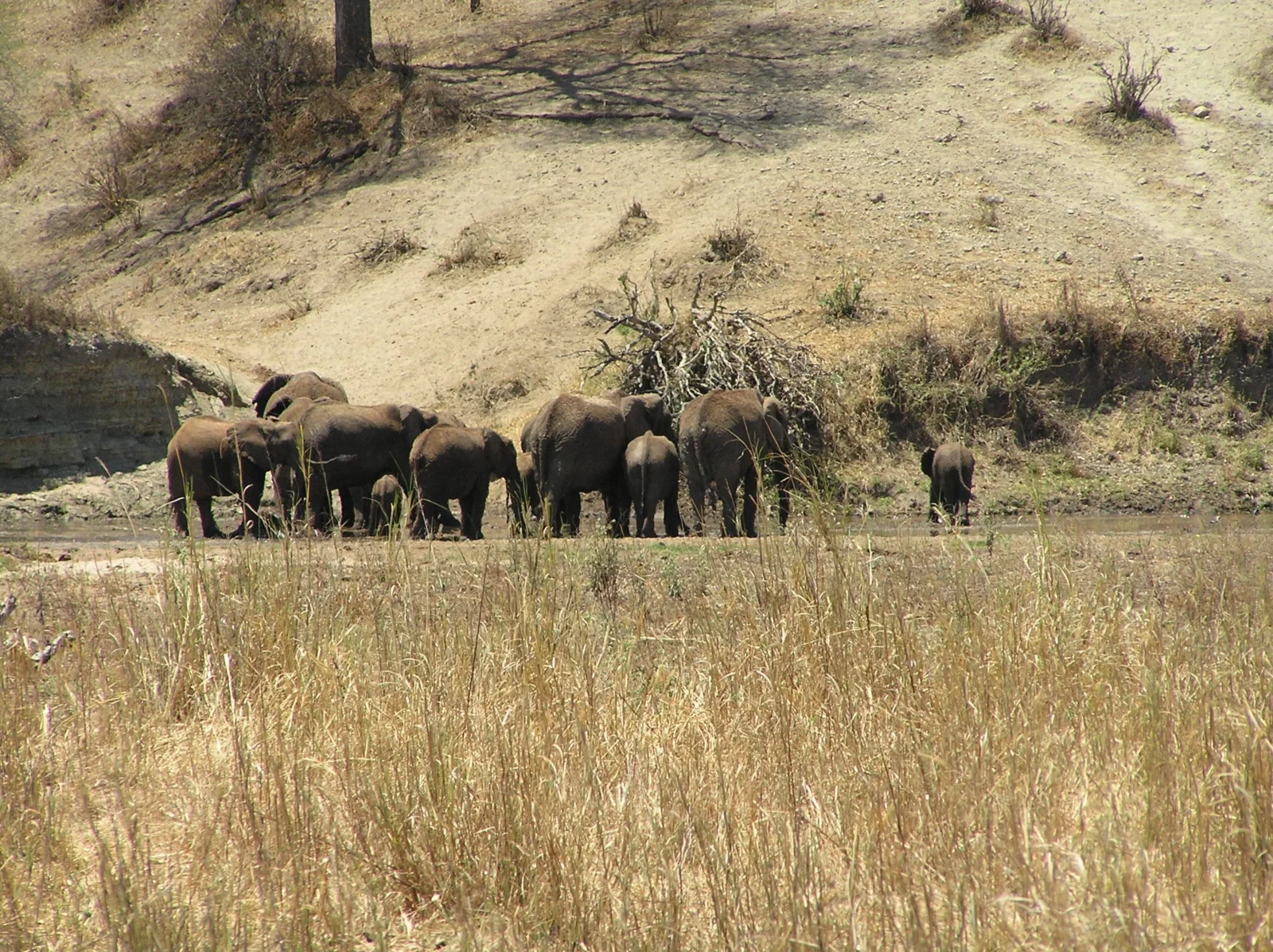
The terrain also creates a more varied safari experience. Instead of endless open plains, visitors encounter a mix of woodlands, riverine forests, and rocky outcrops. This diversity supports different predator strategies and provides more shaded environments, which can affect animal behavior and visibility.
Wildlife Distribution Differences Between North and South
The core difference between the two circuits is not the species themselves, but how and when they concentrate.
In the Southern Circuit, wildlife density peaks dramatically during the calving season. Outside this window, animals spread across the plains or migrate northward, leading to lower concentration in some areas. The experience here is strongly seasonal, meaning timing plays a critical role in what you see.
In contrast, the Northern Circuit offers more consistent wildlife presence throughout the year. Because of permanent water sources and more complex terrain, animals do not rely as heavily on seasonal rainfall patterns. This makes the north more reliable for travelers who want strong wildlife encounters regardless of timing.
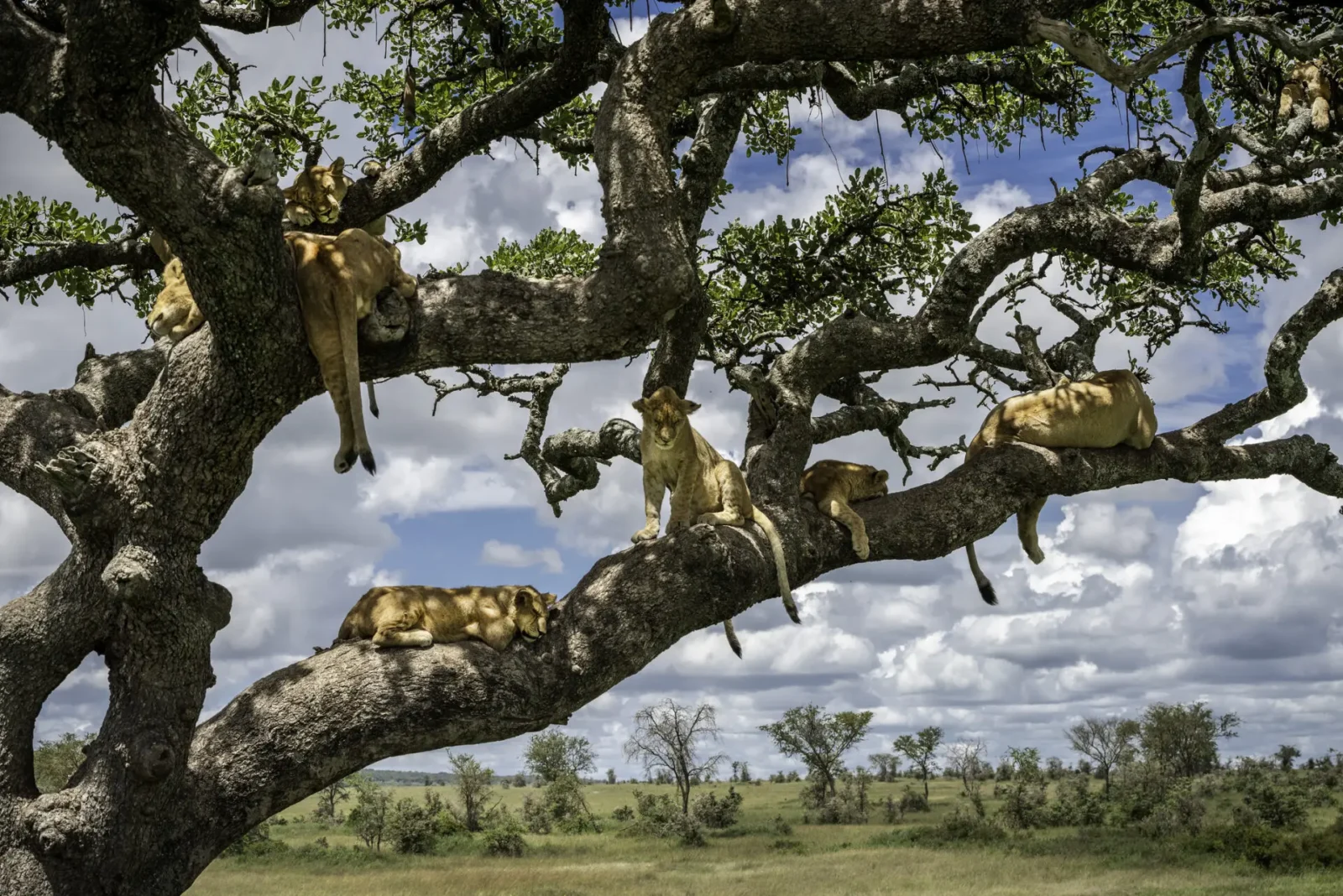
Predator behavior also differs slightly. The southern plains favor speed-based hunters such as cheetahs due to open terrain, while the northern landscapes support ambush predators like lions and leopards that use cover from vegetation and riverbanks.
Great Migration Timing and Circuit Selection
The Great Migration is often the deciding factor when choosing between north and south.
In the Southern Circuit, the main highlight is the calving season, typically occurring from December to March. This is when the ecosystem is at its most dynamic in terms of life cycles, predator interactions, and newborn wildlife activity. It is a period of abundance and vulnerability that creates highly emotional and visually rich safari moments.
In the Northern Circuit, the highlight is the river crossing phase, typically between July and October. This is when survival pressure peaks, and wildlife movement becomes more dramatic and chaotic. The crossings are among the most photographed and sought-after wildlife events in the world.
Between these two peaks, migration herds move through the central Serengeti, creating transitional viewing opportunities in both regions but with less concentrated spectacle.
Photography Considerations
From a photography perspective, each circuit offers distinct advantages.
The Southern Circuit provides clean backgrounds, wide horizons, and strong natural lighting due to open landscapes. This is ideal for capturing herd movement, predator chases, and large-scale compositions without visual obstruction.
The Northern Circuit offers more textured compositions, with rivers, trees, and hills adding depth and framing opportunities. However, photography can be more challenging due to uneven lighting conditions and more obstructed sightlines.
Photographers focused on action shots often prefer the north during migration crossings, while those focused on landscape-wildlife integration often favor the south during the calving season.
Accessibility and Safari Logistics
The Southern Circuit is generally more accessible from entry points near Arusha and is often included in shorter safari itineraries. Travel times between game viewing areas are typically shorter, making it efficient for multi-day safaris.
The Northern Circuit requires longer travel distances and is often part of extended itineraries or fly-in safaris. However, this added effort is rewarded with more concentrated wildlife events during peak migration months.
Both circuits are supported by a network of lodges and camps ranging from budget to luxury, though northern camps often experience higher demand during migration season.
Crowd Levels and Safari Experience
The Southern Circuit tends to feel more expansive and less congested, especially outside peak calving months. The vast open plains allow vehicles to spread out, reducing the sense of crowding even when wildlife is present.
The Northern Circuit can become significantly busier during river crossing season due to global interest in migration events. At major crossing points, multiple safari vehicles may gather, creating a more competitive viewing environment.
Outside peak season, however, the north can also feel quiet and exclusive.
Which Circuit Should You Choose?
The decision ultimately depends on what kind of safari experience you are seeking.
If your priority is witnessing dramatic wildlife birth cycles, predator interactions on open plains, and expansive landscapes with fewer visual obstructions, the Southern Circuit offers the strongest experience during the calving season.
If your focus is on high-intensity wildlife action, river crossings, and year-round game viewing reliability, the Northern Circuit is the stronger choice, especially during migration peak months.
Many experienced travelers choose to combine both circuits in a single itinerary to experience the full ecological cycle of the Serengeti, moving from the southern plains during calving season to the northern rivers during migration crossings.
Final Thoughts
The Northern and Southern circuits of the Serengeti are not competing destinations but complementary expressions of the same ecosystem. Each reveals a different phase of the Great Migration and a different ecological rhythm shaped by rainfall, terrain, and predator dynamics.
Choosing between them is less about which is better and more about which moment in the migration cycle you want to witness. The south offers birth and renewal, while the north offers movement and survival at its most dramatic.